










The Heritage
The Story of Lorenzo Villoresi
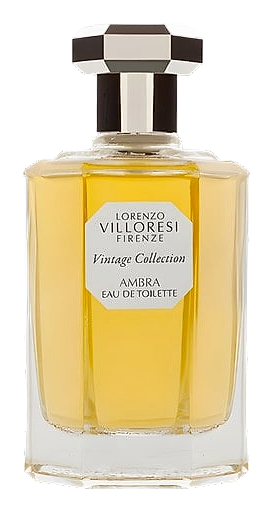
Lorenzo Villoresi is an Italian perfume house that grew out of a family workshop in Florence in 1990. The brand blends the city’s historic craft with a modern curiosity for raw materials gathered on the founder’s travels. Over three decades the house has released more than a dozen fragrances, ranging from the crisp Acqua di Colonia (1996) to the amber‑rich Vintage Collection Ambra (2014). Each scent reflects a personal narrative, and the line now includes candles, room sprays and bespoke creations that invite collectors to explore scent as a form of memory.
Heritage
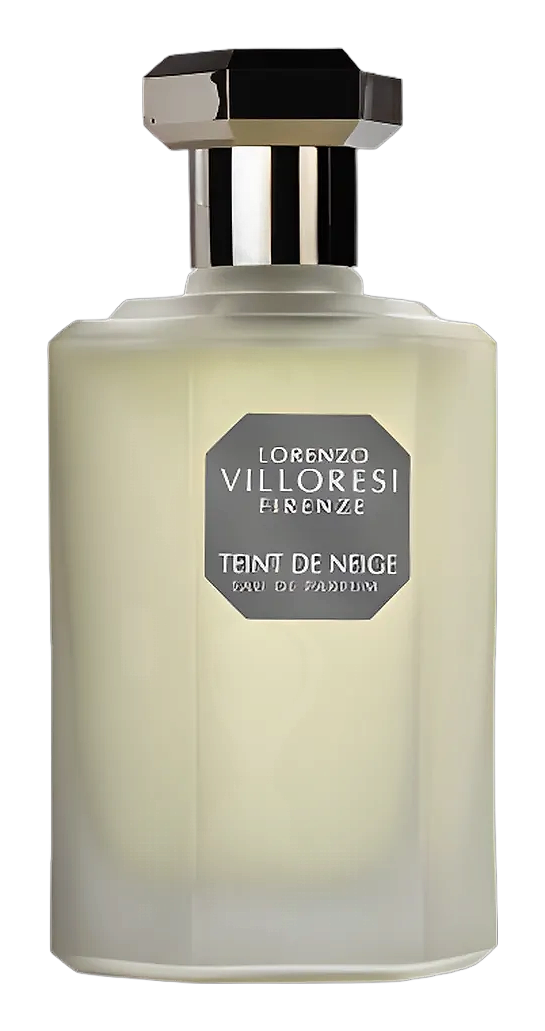
Lorenzo Villoresi opened his Maison in May 1990 inside a 15th‑century family building on Via de' Tornabuoni in Florence. The first offerings were scented candles, potpourris and room aromatizers, products that let him test blends before moving into liquid perfume. Two years after the launch, he introduced his first eau de parfum, a step that marked the brand’s entry into the niche market. In 1993 the house released Uomo, a masculine fragrance that quickly became a reference point for the brand’s early style. The mid‑1990s saw a rapid expansion: Vetiver (1994) explored earthy green notes, Musk (1995) highlighted natural animalic accords, while Acqua di Colonia (1996) and Patchouli (1996) demonstrated a willingness to reinterpret classic ingredients. The turn of the millennium added Teint de Neige (2000), a powdery composition that highlighted Villoresi’s skill with fine musks and aldehydes. A second wave of releases arrived in the 2010s, beginning with the Vintage Collection series in 2014, which revisited historic formulas such as Ambra and Vetiver with contemporary precision. In 2016 the house celebrated its 25th anniversary with 25 Insieme, a fragrance that combined notes from earlier releases into a single olfactory portrait. The most recent milestone occurred in 2018 when Villoresi founded the Florence Perfume Museum, an institution dedicated to preserving the history of scent and showcasing the city’s contribution to perfumery. Throughout its history, the brand has remained independent, retaining control over production, sourcing, and distribution, which allows it to maintain a consistent artistic direction.
Craftsmanship
Every Lorenzo Villoresi fragrance begins with a material audit. The perfumer travels to farms and distilleries, samples raw extracts, and records their sensory profile before committing to a purchase. Once a raw material is approved, it enters a small‑batch blending process that takes place in the original Florentine workshop. The house favors natural absolutes, essential oils and tinctures, and it often employs traditional maceration techniques that allow the ingredients to mature over weeks or months. Hand‑filled glass vials receive the final blend, and each bottle undergoes a quality check that includes olfactory verification by the founder himself. The brand also produces custom fragrances on request; these bespoke creations follow the same rigorous protocol, ensuring that even one‑off scents meet the house’s standards. In 2018, the opening of the Florence Perfume Museum provided a laboratory for research, allowing Villoresi to experiment with historic extraction methods such as enfleurage and steam distillation. The museum’s archive supplies reference samples that help the perfumer recreate or reinterpret classic accords with modern purity. Throughout production, the house maintains a low turnover, which reduces waste and preserves the character of each ingredient. This commitment to craftsmanship has earned the brand a reputation among connoisseurs for consistency and depth.
Design Language
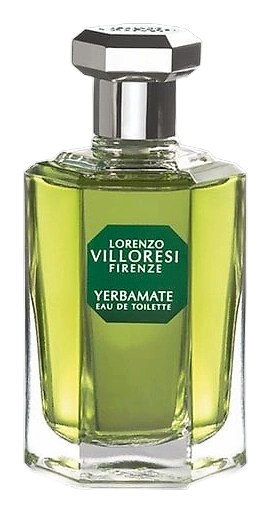
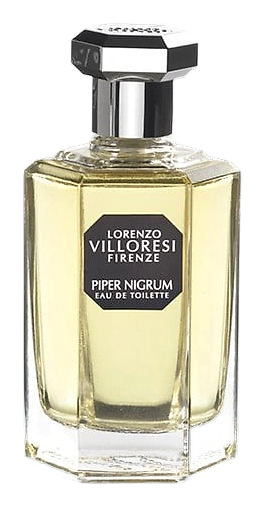
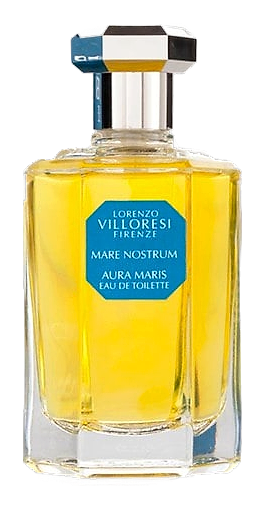
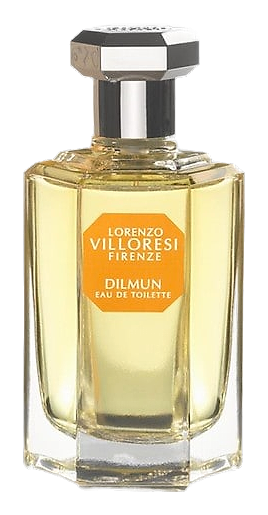
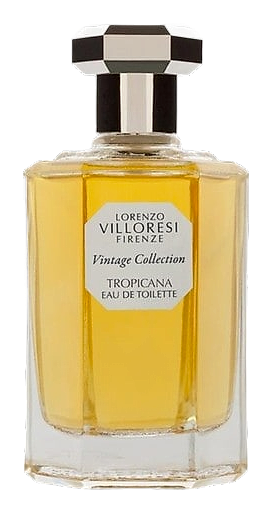
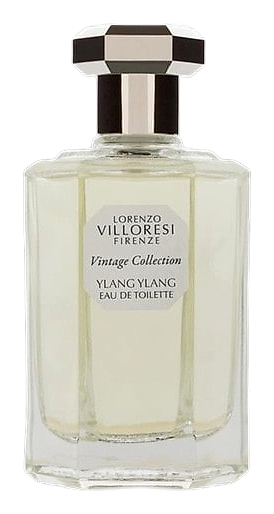
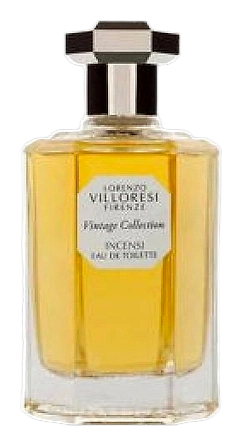
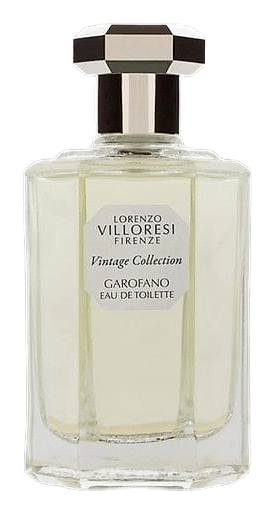
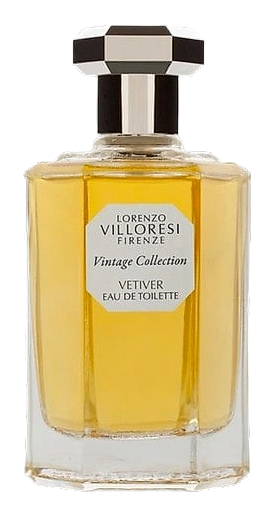
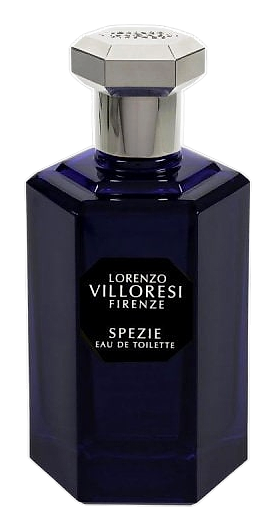
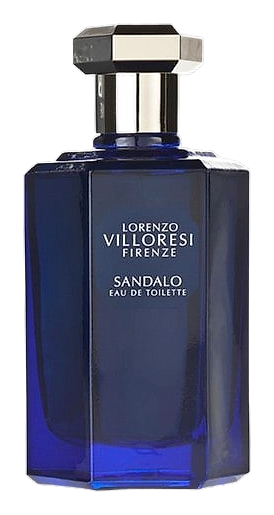
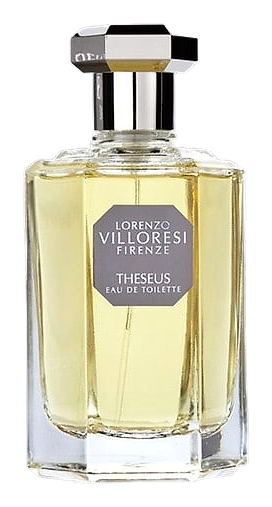
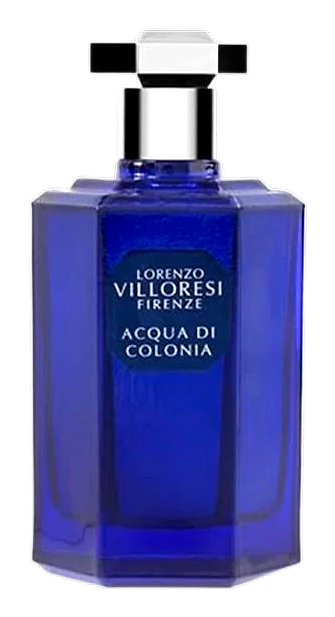
The visual language of Lorenzo Villoresi mirrors its olfactory ethos: understated, historic, and tactile. Bottles often feature amber or deep green glass that protects the fragrance from light while evoking the look of antique apothecary containers. Labels use a simple serif typeface, usually in gold or black, set against a muted background that lets the bottle’s shape take center stage. Caps are frequently crafted from brushed metal or wood, reinforcing the sense of hand‑made quality. The brand’s packaging for candles and room sprays follows the same palette, with linen‑like boxes and minimalist graphics that hint at the scent’s core ingredient. Storefronts and the museum interior display reclaimed wood, marble accents and vintage perfumery tools, creating an environment where visitors feel they have stepped into a living atelier. Promotional photography prefers natural light and close‑up details, allowing the texture of the glass and the subtle hue of the liquid to speak for themselves. This restrained aesthetic positions the house as a bridge between heritage and contemporary design, appealing to collectors who value both form and function.
Philosophy
Villoresi frames fragrance as a dialogue between philosophy and materiality. He believes that scent can articulate ideas that words cannot, and he lets each composition tell a story rooted in travel, literature and personal reflection. The house respects the Florentine tradition of artisanal perfume making, yet it also pursues ingredients that originate far beyond Italy’s borders. Villoresi often cites his journeys to the Middle East, South America and Asia as sources of inspiration, noting that each culture offers a distinct relationship to scent. The brand prioritises authenticity; it avoids synthetic shortcuts when a natural counterpart exists, and it documents the provenance of each raw material. Sustainability appears in the philosophy as well: the house works with growers who practice responsible harvesting, and it limits batch sizes to preserve the integrity of volatile oils. By treating each fragrance as a limited‑edition artwork, Villoresi encourages collectors to engage with scent on a contemplative level rather than as a disposable commodity.
Key Milestones
1990
Lorenzo Villoresi opens his Maison in a 15th‑century family building on Via de' Tornabuoni, Florence.
1993
Release of Uomo, one of the house’s first eau de parfums, establishing its masculine line.
1994
Vetiver launches, showcasing the brand’s interest in green, earthy accords.
2000
Teint de Neige Eau de Parfum debuts, highlighting Villoresi’s skill with powdery musks.
2014
Vintage Collection Ambra and Vintage Collection Vetiver arrive, revisiting historic formulas with modern techniques.
2016
25 Insieme releases to mark the 25th anniversary, blending notes from earlier creations.
At a Glance
Brand profile snapshot
Origin
Italy
Founded
1990
Heritage
36
Years active
Collection
3
Fragrances released
Avg Rating
3.8
Community sentiment
Release Rhythm


