Camphor
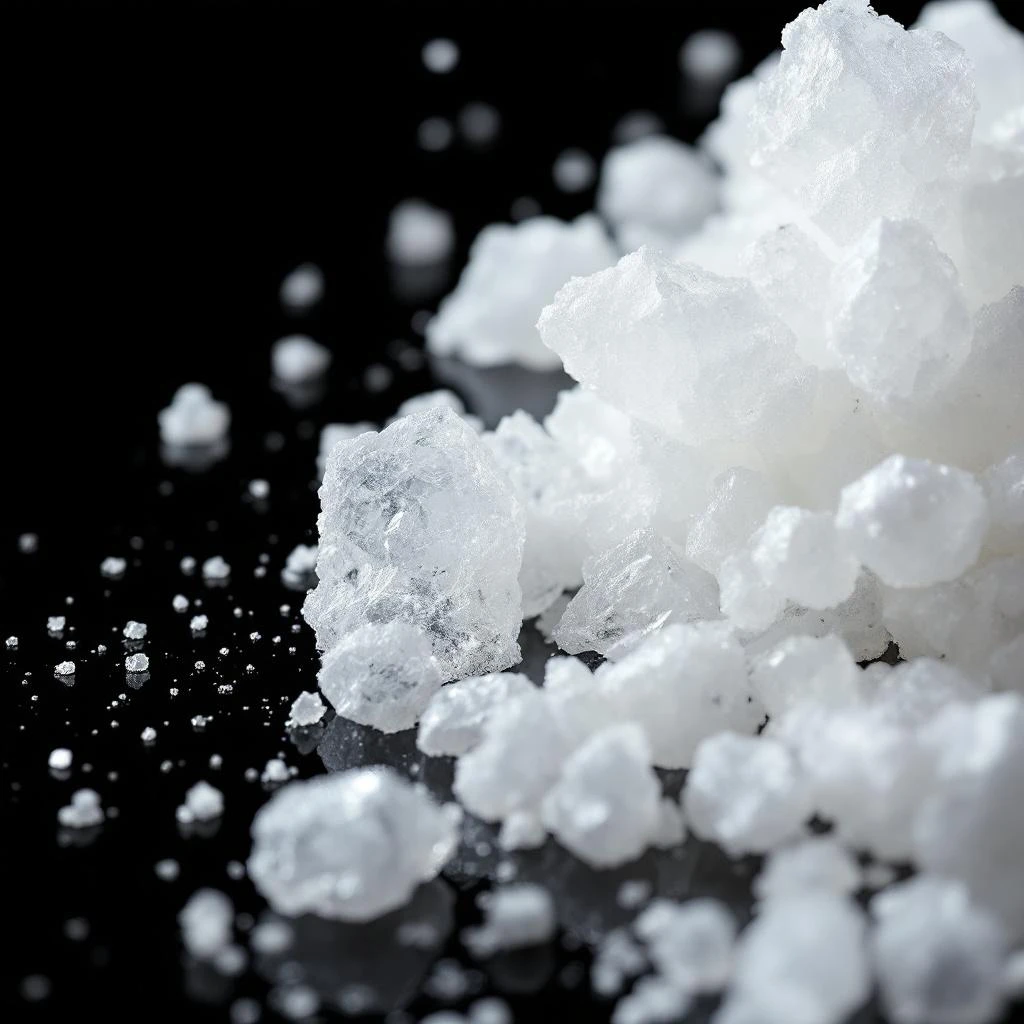
A crystalline substance with an almost contradictory nature: sharp yet cooling, ancient yet endlessly modern. Camphor arrives with a clarity that awakens, lending brightness in trace amounts, shadows in depth. Few ingredients bridge centuries so seamlessly.
Character
How it smells
Sharp, cooling, crystalline clarity that awakens and endures.
Camphor was burned as a fumigant during the Black Death, prized in medieval perfumery, and remains a secret ingredient in Indian sweet pongal.








Origin
Taiwan
When Muslim armies pushed eastward in the 7th century, they encountered entirely new sensory worlds. By the 13th century, writer al-Tha'alibi described India as a place where trees were aloes and leaves gave sweet perfumes.
Camphor, along with other aromatic treasures, gradually filtered from caliphs and courtiers into broader society. The Islamic world transformed perfume from mere luxury into a way of life, reshaping how people understood pleasure, hygiene, medicine, and even paradise.
Camphor traveled ancient trade routes from East Asia into Arabia, Persia, and beyond, becoming embedded in sacred rituals, medicinal traditions, and eventually perfumery. Its journey from rare import to fragrance staple mirrors the broader story of global scent culture.
Wears it best
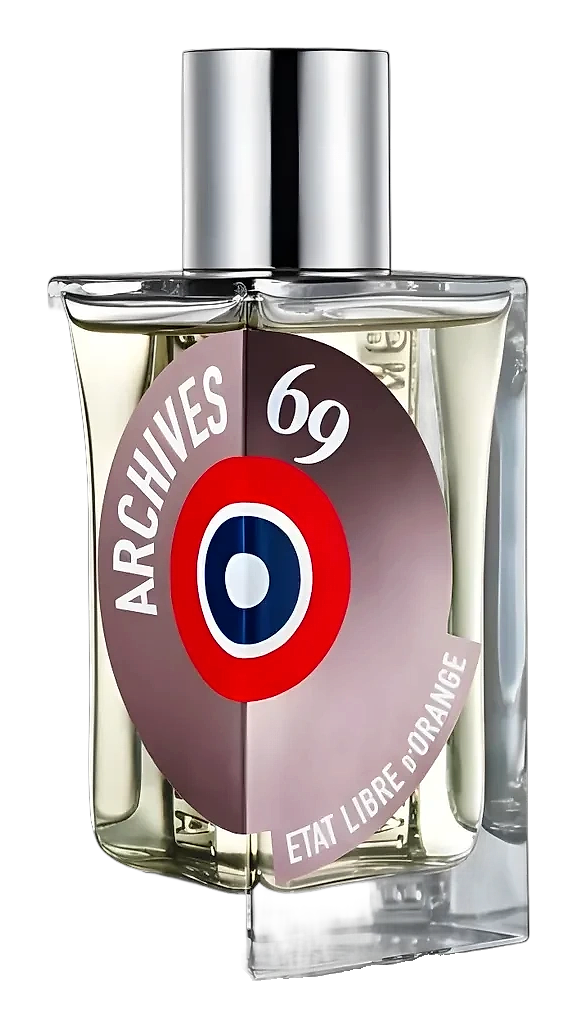
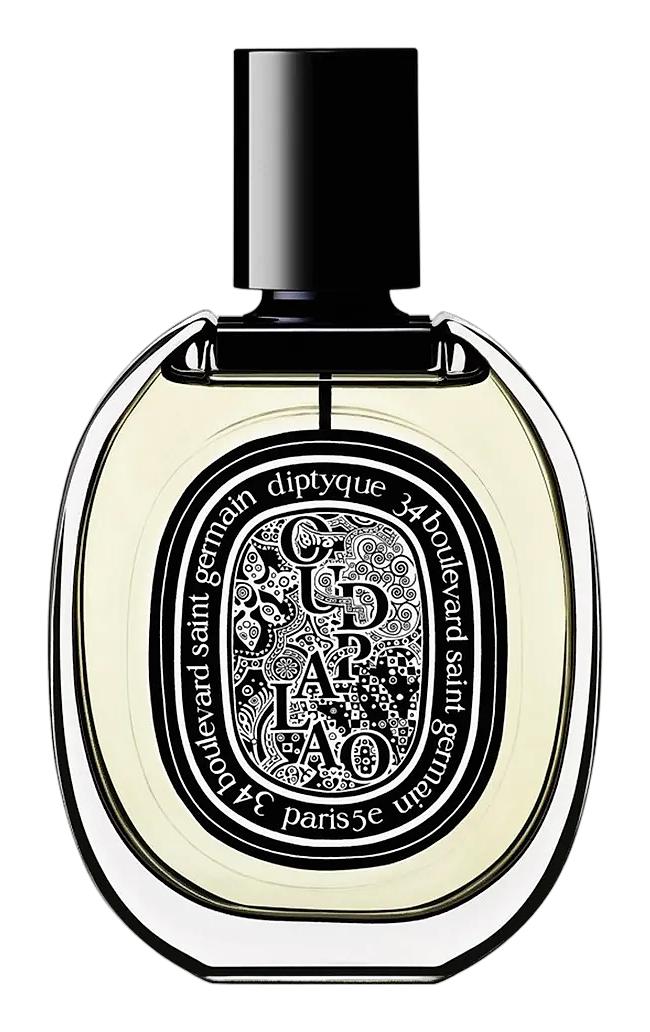
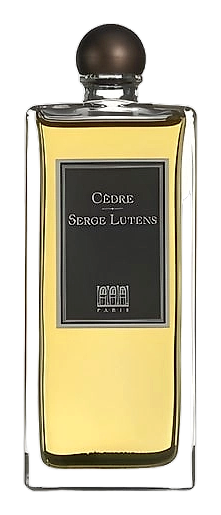
Fragrances featuring Camphor

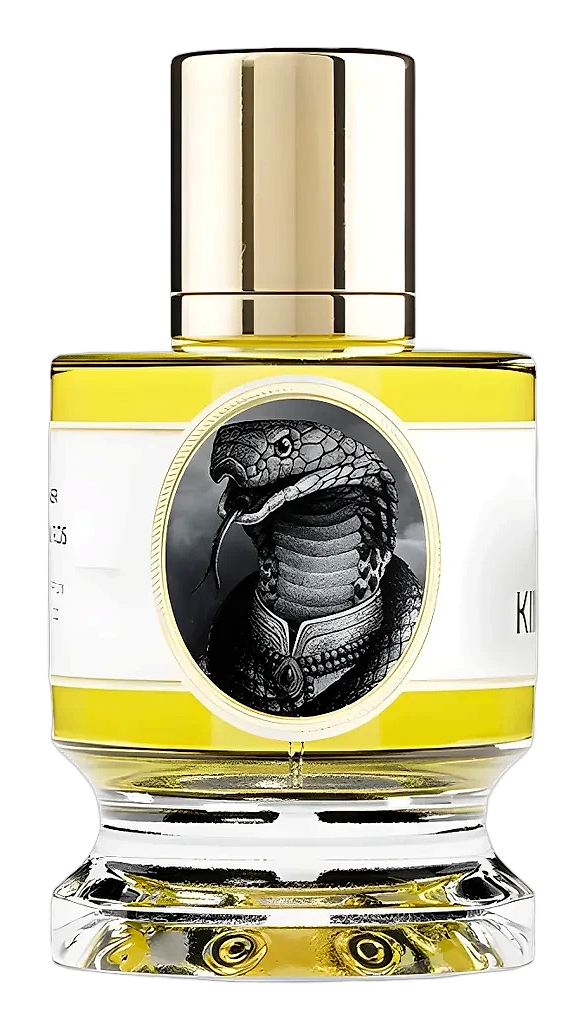
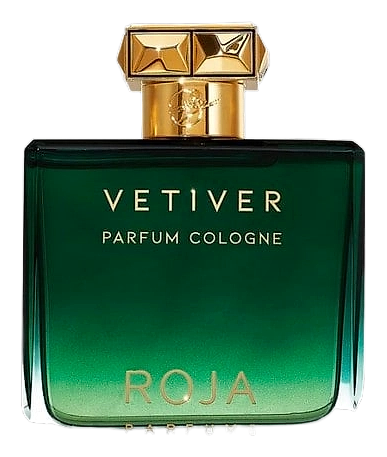
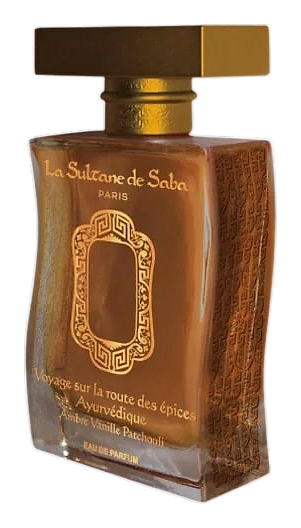
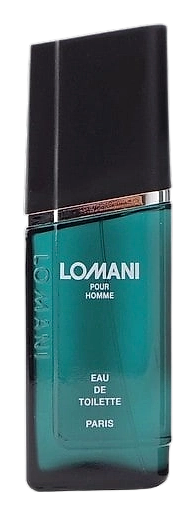
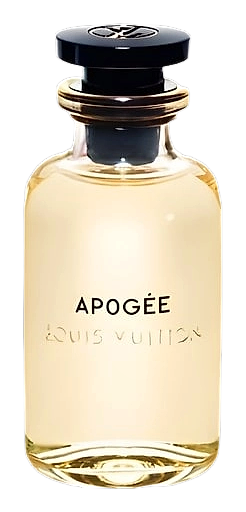
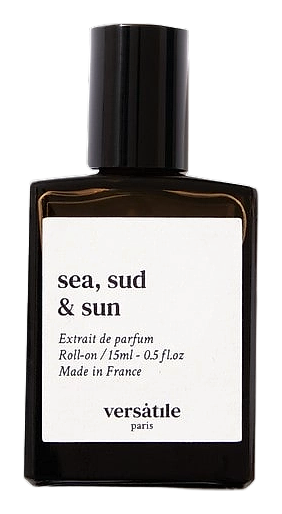
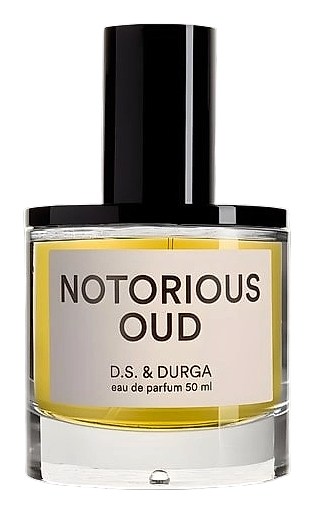
Brands
Brands known for Camphor
Good to know
Questions, answered
The essentials on Camphor in perfumery: how it smells, where it comes from, and how it behaves on skin.
What does camphor smell like?
Camphor smells sharp, clean, and cooling with an almost medicinal clarity. It evokes cold winter air moving through evergreen forests. In diluted form, it becomes less piercing and more balsamic.
Is camphor natural or synthetic?
Both exist. Natural camphor comes from steam distilling Cinnamomum camphora wood. Synthetic camphor is produced from turpentine oil. Natural sources tend to offer more complexity in perfumery applications.
Where is camphor sourced from?
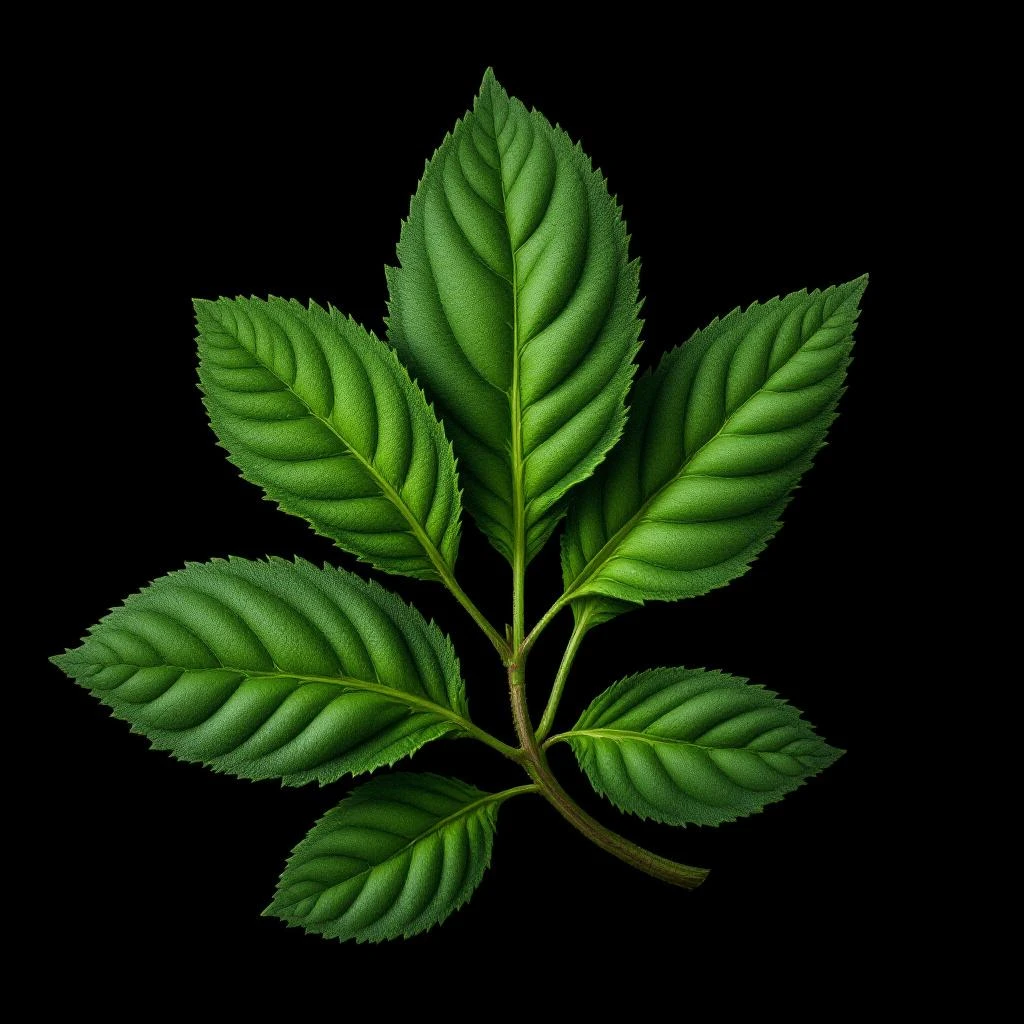
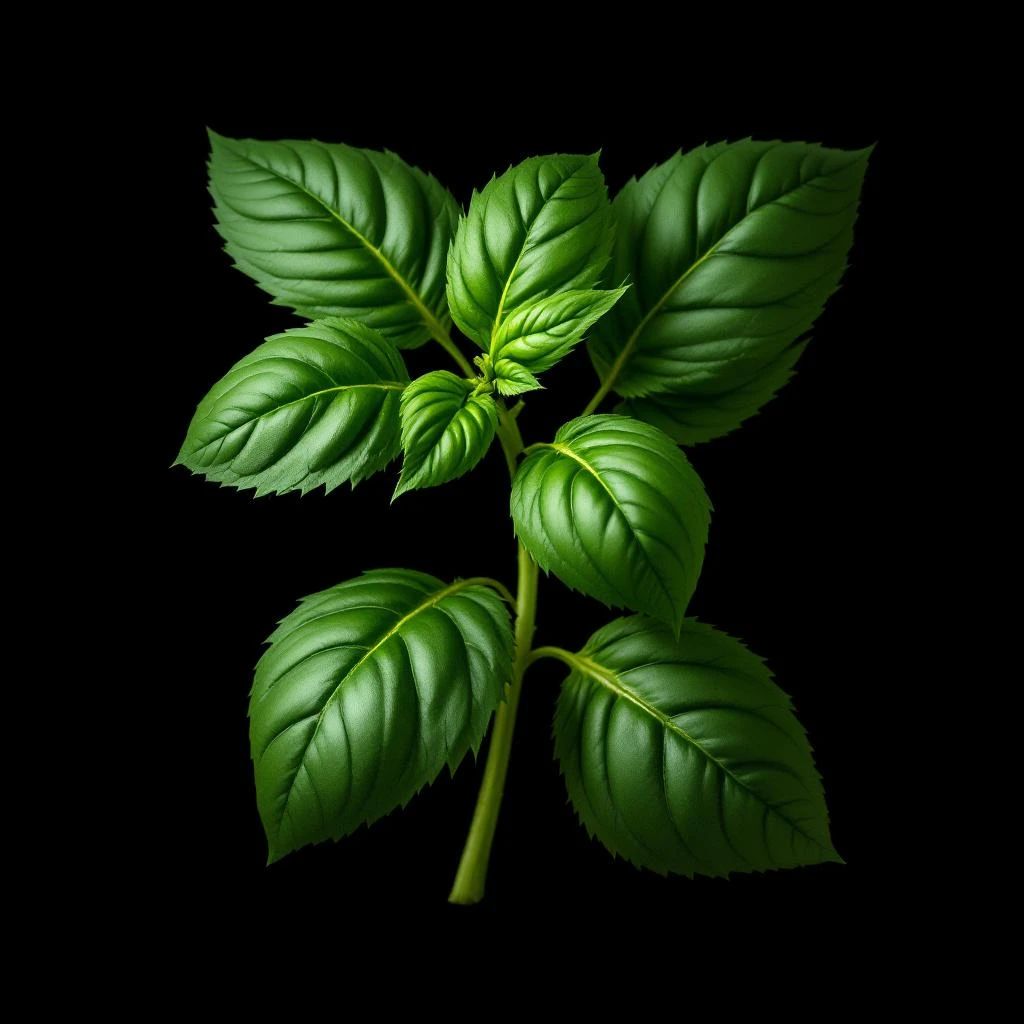
The primary source is Cinnamomum camphora, native to East Asia including China, Japan, and Taiwan. Camphor basil, known as kapoor tulsi in India, provides another botanical source. Global production centers in Asian regions.
What fragrance families use camphor?
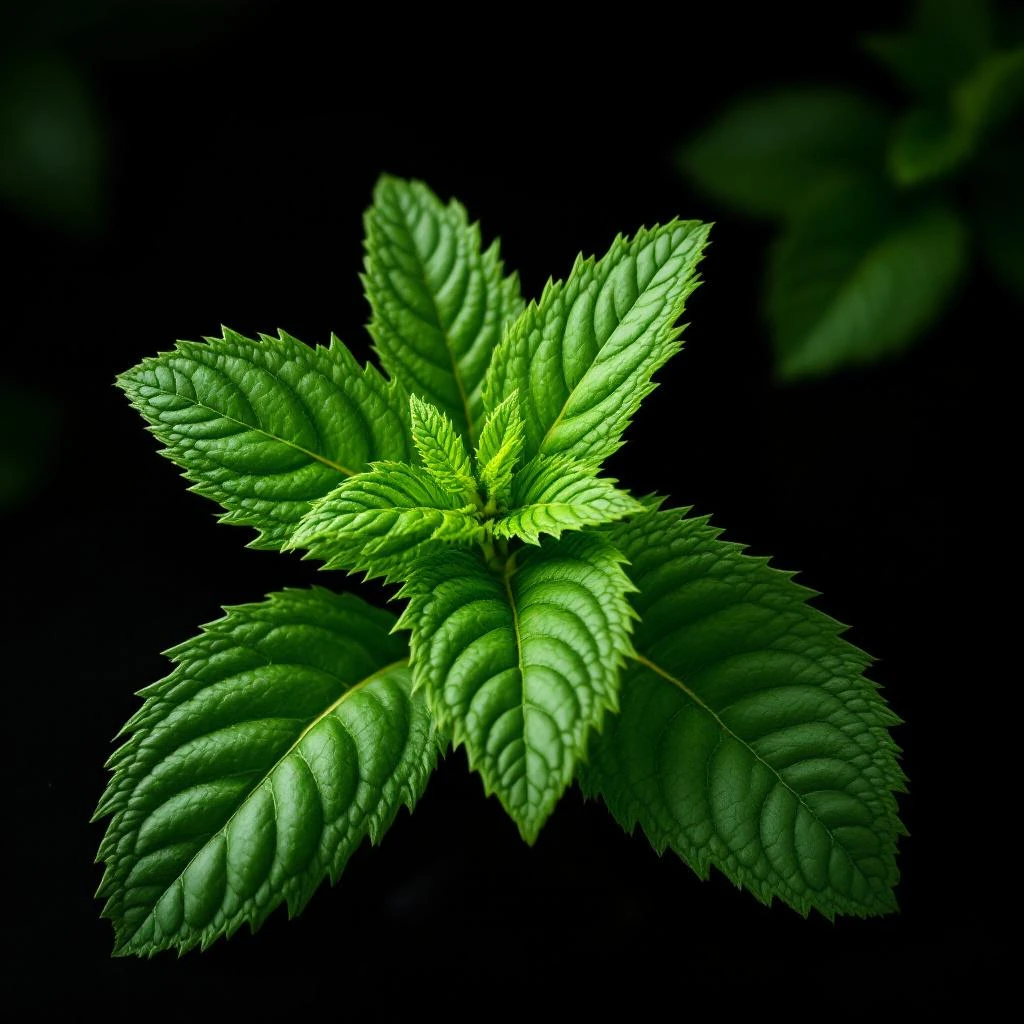
Camphor appears in oriental, woody, and fresh compositions. It pairs well with oud, cedar, myrrh, patchouli, mint, citrus, and pine. Its versatility allows it to function across top, heart, and base notes.
Does camphor have historical significance in perfumery?
Camphor traveled ancient trade routes during the Islamic Golden Age, moving from East Asia into Arabian and Persian scent traditions. By the medieval period, it had become embedded in both medicinal and aromatic practices.
How is camphor used in Indian cooking?
Edible camphor appears in traditional South Indian sweets, particularly sakkarai pongal. Known as pachai karpooram in Tamil, the food-grade form differs from industrial camphor and is used in minute quantities for its aromatic properties.
What role does camphor play in attar traditions?
Camphor features prominently in traditional Indian, Chinese, and Arabian attars. In these preparations, it adds freshness and lift to heavier resinous and woody base materials, creating balanced compositions.
Can camphor be used as a fixative?
Camphor acts as a moderate fixative, helping retain lighter top notes in a composition. When used in the base, it creates an earthy, persistent resonance that reinforces other base materials like oud or cedar.