
Heritage
A house, in its own words
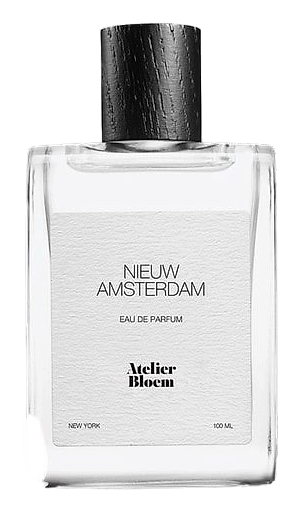
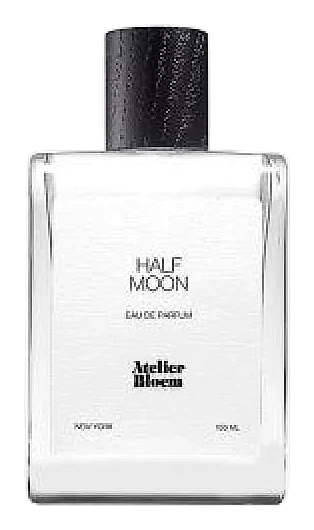
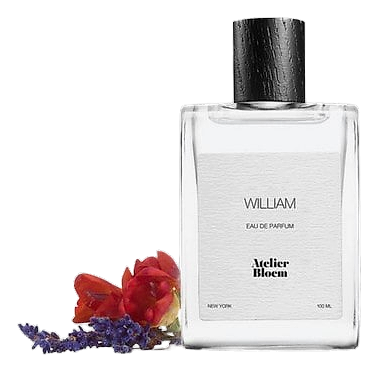
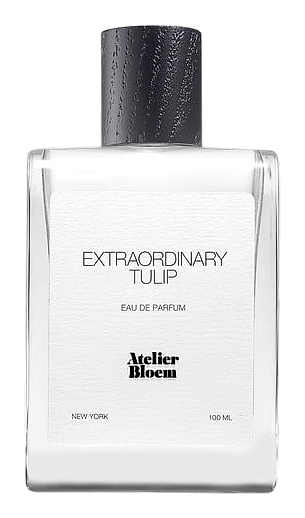
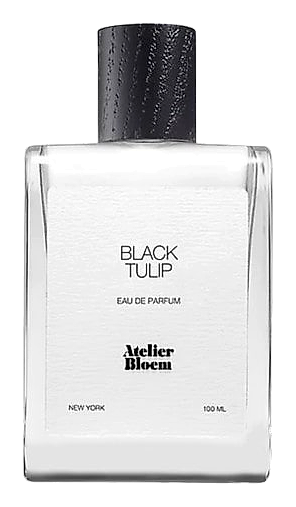
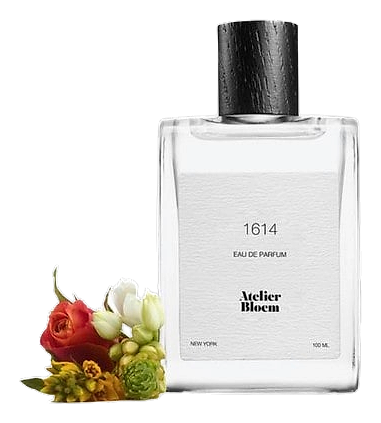
Atelier Bloem emerged from the parallel creative pursuits of Matthew Malin and Andrew Goetz, the duo behind Malin+Goetz. Before entering fragrance, Malin and Goetz had established themselves in the skincare industry with their Manhattan-based brand, known for its pharmacy-inspired approach to cleansers, moisturizers, and treatments. Their move into perfumery came as a natural extension of their interest in sensory experiences and botanical ingredients. The decision to name the house after Bloemenmarkt reflected a specific trip the founders took to Amsterdam, where they visited the UNESCO-recognized floating market and became captivated by its atmosphere. The Bloemenmarkt traces its origins to the 1860s, when bulb traders began selling flowers from boats along the Singel canal. Over time, the market evolved into permanent structures while retaining its distinctive floating character. Malin and Goetz reportedly wanted to bottle that experience for an international audience. The brand debuted in 2010 with six fragrances, each named after a flower, a place, or a number with historical resonance. Black Tulip joined the collection in 2017, followed by Extraordinary Tulip, expanding the tulip-focused segment of the line. Unlike their skincare brand, Atelier Bloem maintained a tighter, more exclusive product range, signaling a return to traditional perfumery values. The house operates independently from Malin+Goetz, though both brands share the same founding philosophy of clarity, quality, and restraint. Atelier Bloem approaches perfumery as an act of translation rather than invention. The founders believe that a fragrance should evoke a specific place, moment, or botanical memory rather than offering an abstract olfactory composition. This philosophy shapes their naming conventions, where scents carry names like Nieuw Amsterdam, Half Moon, and 1614, anchoring each creation to a concrete reference point. The house prioritizes floral ingredients as the backbone of its identity, drawing from Amsterdam's legacy as a global center for bulb cultivation and flower trading. The Dutch tulip, in particular, holds symbolic weight for the brand. Rather than treating floral notes as a fleeting top note, Atelier Bloem constructs its fragrances around blooms as the central olfactory experience. The founders have spoken about their desire to create scents that feel personal and intimate, avoiding the performative intensity common in mass-market niche fragrances. This restraint extends to the size of the collection, which remains deliberately limited. The house does not chase trends or seasonal launches, preferring to develop new expressions only when a botanical idea feels fully realized.