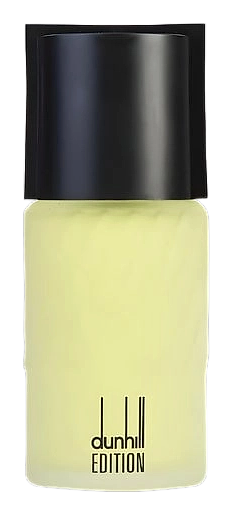

The Story
Why it exists.
The beginning
Astori reached for the aromatic fougere tradition, pulling in lavender and bergamot alongside other classic materials. The composition pushes the carnation and clary sage forward in ways that give it an unexpected sharpness. The bergamot provides bright citrus lift while the lavender adds clean aromatic depth. The carnation brings a spicy, floral quality that adds complexity rather than sweetness, and the clary sage contributes herbal green notes that keep the blend grounded. The result is a fragrance that feels modern without chasing trends, its structure relying on confident layering rather than loud presence.
What makes the structure interesting is how the heart and base interact. The carnation doesn't behave like a floral here, it arrives with a distinct spiciness that reads as warm rather than sweet. Meanwhile, the fir in the drydown creates a coniferous quality that prevents the tonka bean from going too sweet. The combination of vetiver and cedarwood in the base gives it an earthy finish that holds close to the skin rather than projecting outward. Tonka bean adds a subtle warmth that rounds out the composition without overwhelming the other elements.
The evolution
The opening hits fast, bergamot and lemon zest with a sharp lavender edge that reads clean and immediate. The citrus brightness opens up first, followed by the lavender which adds clean aromatic depth. The carnation and clary sage then become more apparent, shifting the composition toward something warmer and greener. The cyclamen and geranium add a floral dimension that keeps the composition from feeling too stark. As the fragrance develops, the fir and vetiver come forward, and the tonka bean starts to appear, warm rather than sweet, like the memory of sweetness. The cedarwood arrives last, settling into the skin with an earthy, dry finish that lingers. The drydown stays close to the skin throughout.
Cultural impact
Dunhill Edition draws from the aromatic fougere tradition that has long defined classic British perfumery. Wearers describe it as the scent of someone who doesn't need to announce themselves, a fragrance that earns attention through restraint rather than projection. The blend maintains a confident presence while staying within defined boundaries.