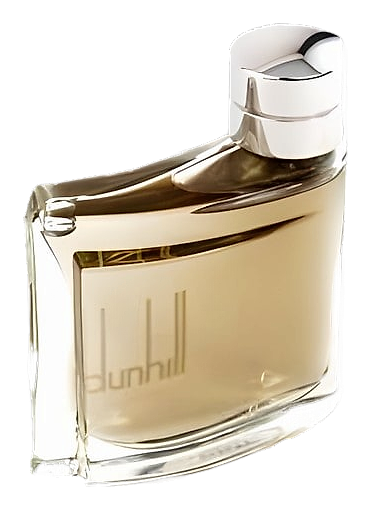
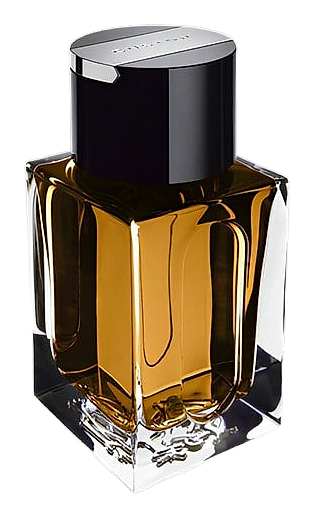
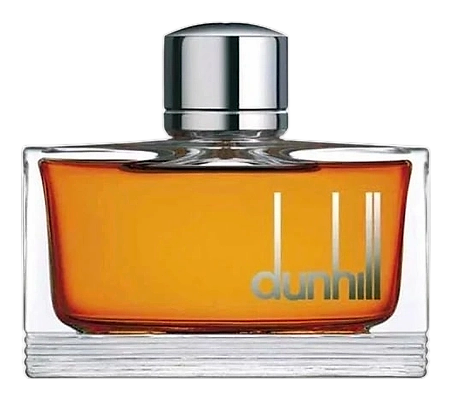
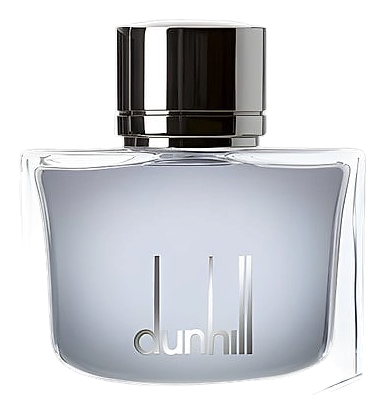
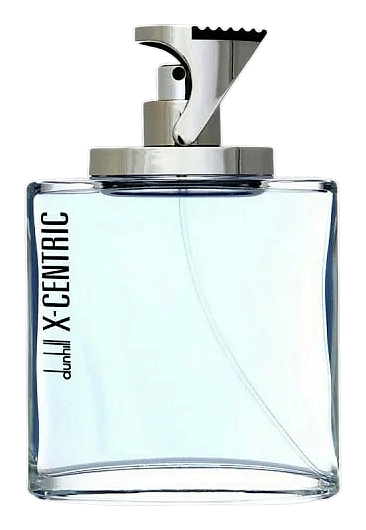
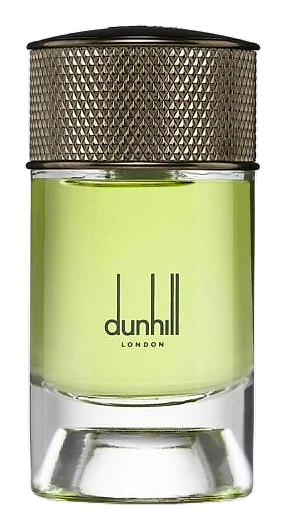
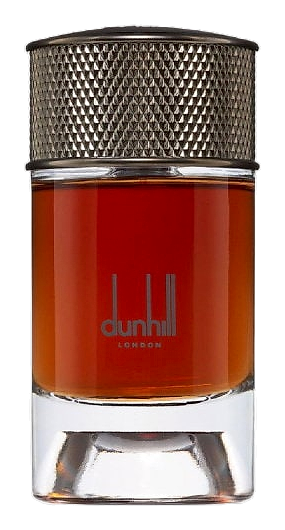
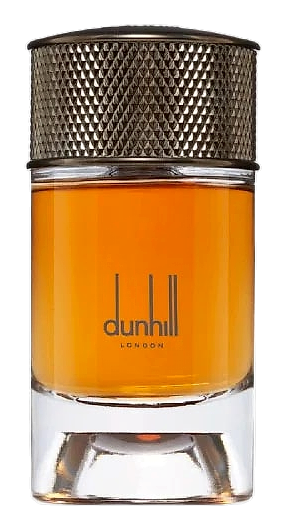
The Heritage
The Story of Alfred Dunhill
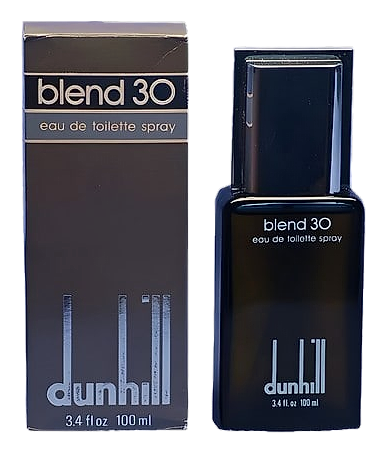
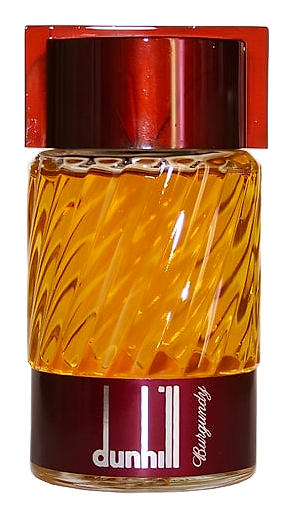
Alfred Dunhill began as a British leather and motor‑accessory workshop in 1893, founded by a young Alfred Dunhill in Westminster, London. The house grew into a diversified lifestyle brand, adding a fragrance line in 1934 with the debut of Dunhill for Men. Over the decades the brand has released a steady stream of scents that echo its British roots – English Lavender (1970), Blend 30 (1978), Dunhill Burgundy (1980) and, more recently, Agar Wood (2020) and Mongolian Cashmere (2022). Today Dunhill positions its perfumes as extensions of its heritage of craftsmanship, offering modern gentlemen a quiet confidence that feels both timeless and contemporary.
Heritage
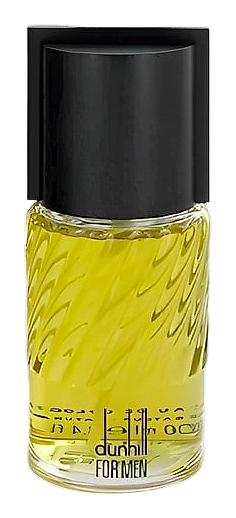
Alfred Dunhill took over his father's saddlery business at age 21 and renamed it after himself in 1893. The shop quickly embraced the emerging automobile market, supplying leather accessories for early motorists. By the 1930s the company expanded into personal grooming, launching its first fragrance, Dunhill for Men, in 1934. The scent marked the brand's entry into perfumery and set a precedent for understated British style. In 1967 the fragrance division joined Toiletries of London, and a year later the line incorporated in New York to support international distribution. The 1970s saw the release of English Lavender and Blend 30, both of which reinforced the house's commitment to quality ingredients. The 1980s added Dunhill Burgundy, a woody composition that reflected the brand's evolving palette. After a period of quiet development, the 2010s brought a new creative direction under John Ray, who assumed the role of creative director in 2015 and guided the launch of several contemporary scents. The 2020s introduced a wave of fresh offerings – Agar Wood, Amalfi Citrus, Egyptian Smoke, Indian Sandalwood, Mongolian Cashmere and Nordic Fougère – each designed to translate classic British sensibility into modern olfactory language. Throughout its 130‑year history the house has balanced its origins in leathercraft and motoring with a measured expansion into fragrance, maintaining a reputation for measured growth rather than rapid trend‑chasing.
Craftsmanship
Dunhill’s fragrance production follows a disciplined process that mirrors its leather‑goods heritage. The brand works with established European fragrance houses, commissioning master perfumers to develop each composition. Raw materials are selected for provenance; for example, the sandalwood used in Indian Sandalwood (2019) originates from sustainably managed Indian plantations, while the citrus notes in Amalfi Citrus (2020) are sourced from the Amalfi coast region. Quality control occurs at multiple stages: ingredient testing, stability trials, and blind panel evaluations ensure each batch meets the house’s standards before release. The brand’s partnership with Toiletries of London in the late 1960s introduced a more systematic manufacturing framework, allowing Dunhill to maintain consistency across markets. Bottles are hand‑finished in glass factories that meet ISO standards for purity, and each perfume undergoes a final sensory review by the creative director before approval. The emphasis on precise formulation and controlled sourcing reflects Dunhill’s broader commitment to durability and understated refinement, rather than relying on gimmicks or fleeting fads.
Design Language
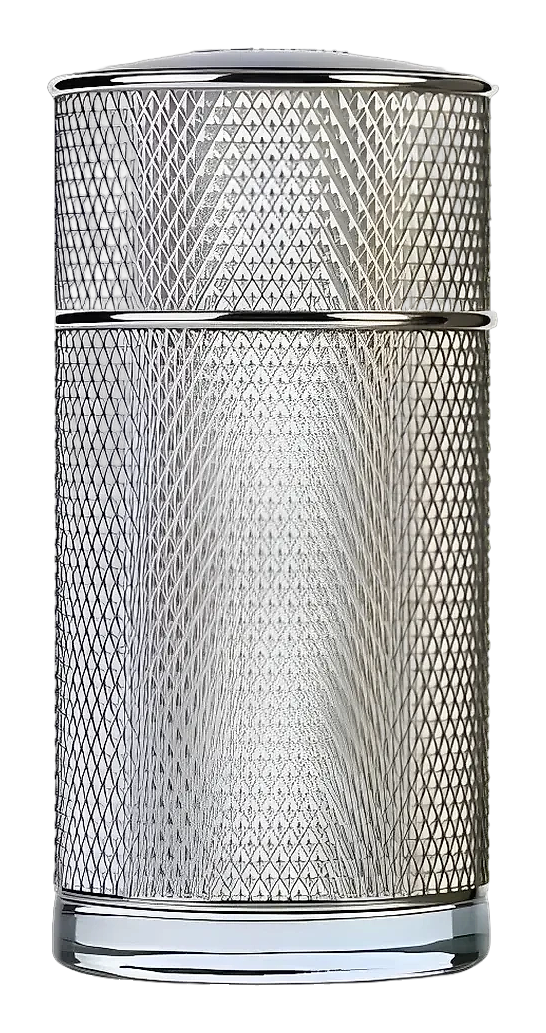
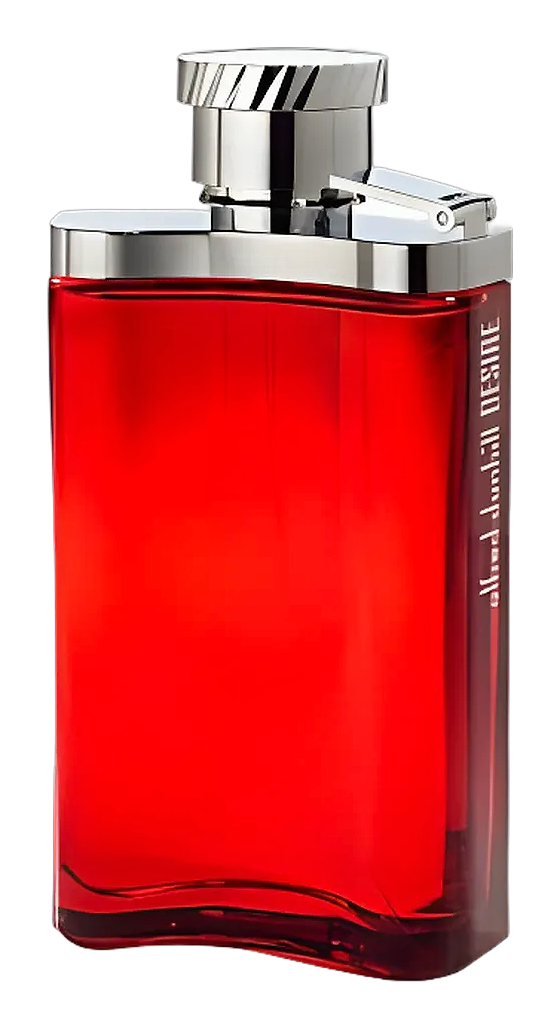
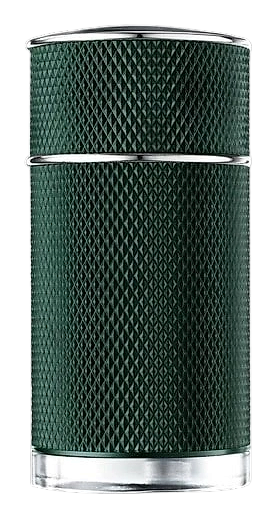
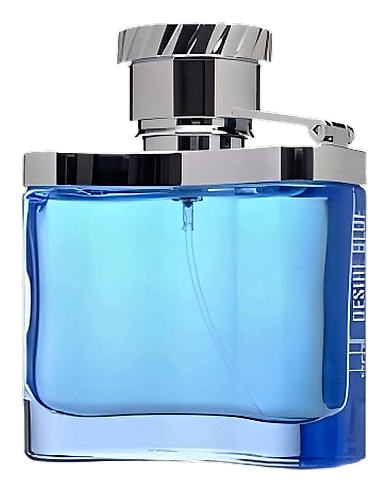
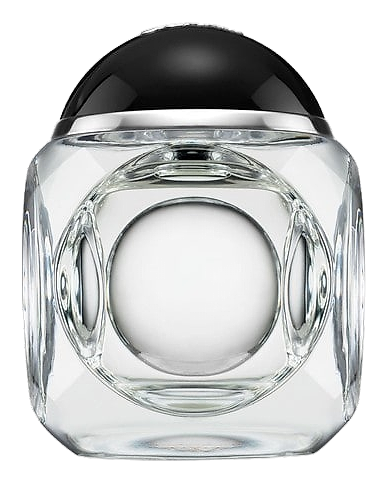
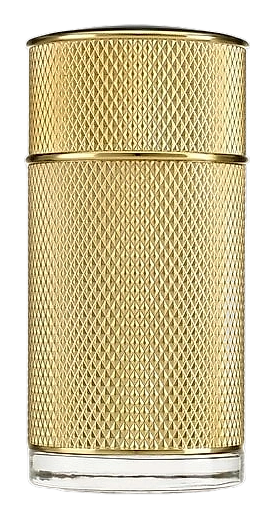
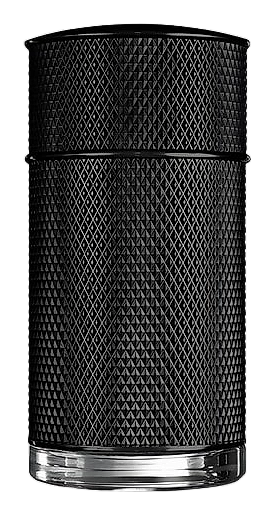
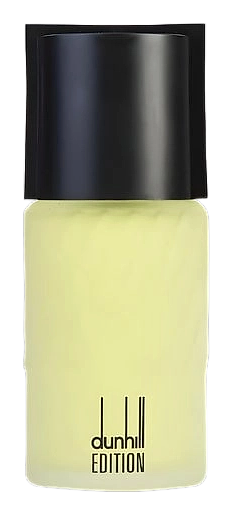
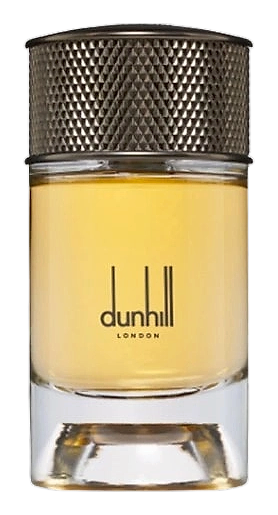
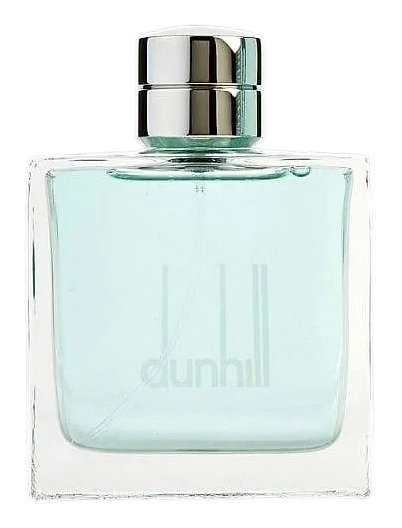
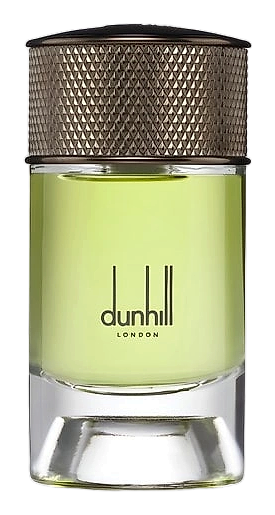
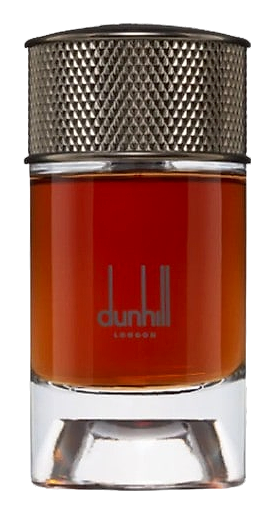
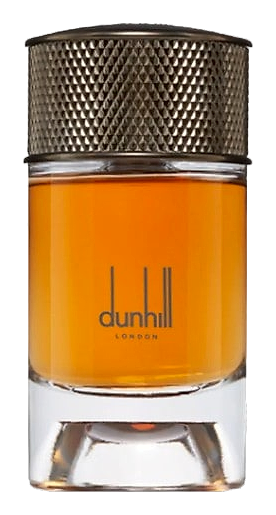
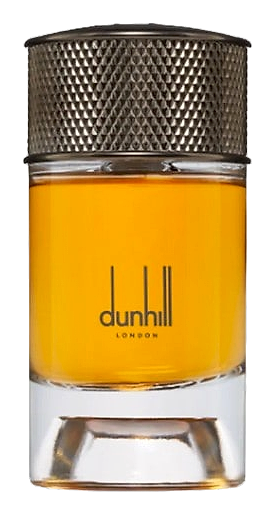
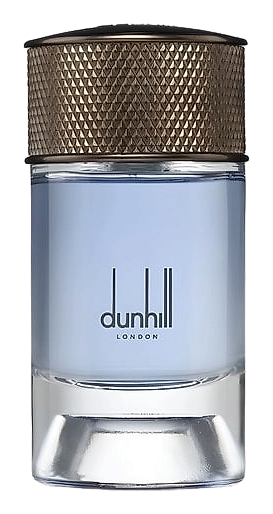
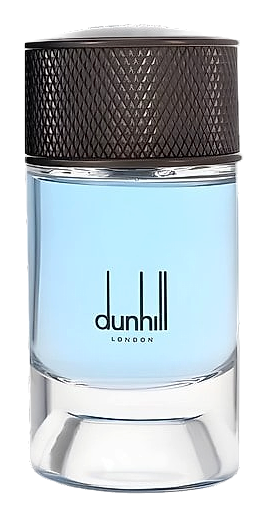
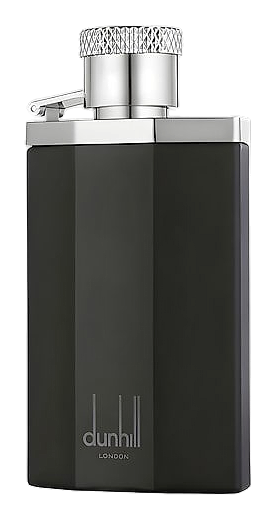
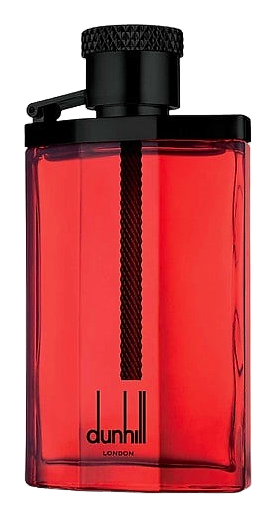
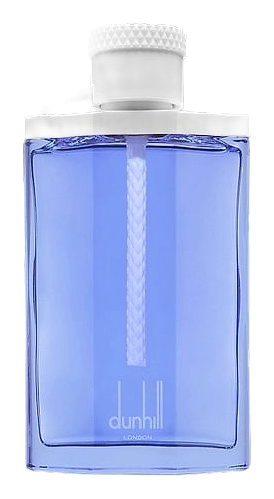
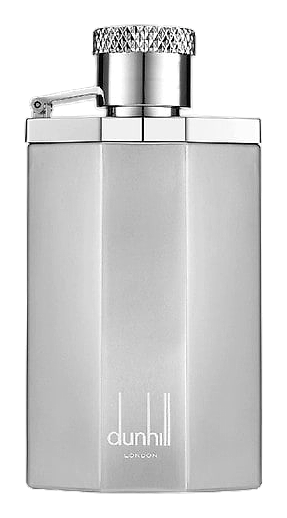
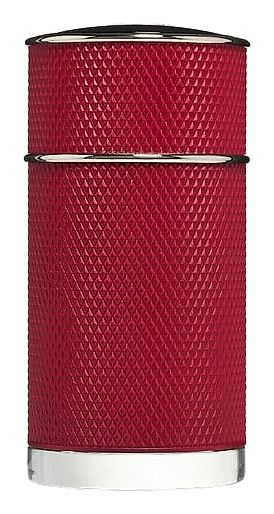
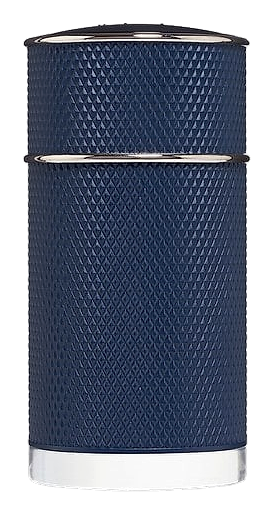
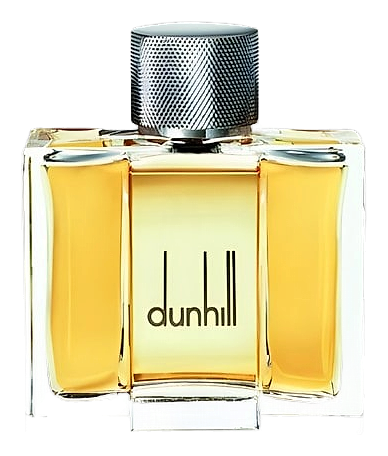
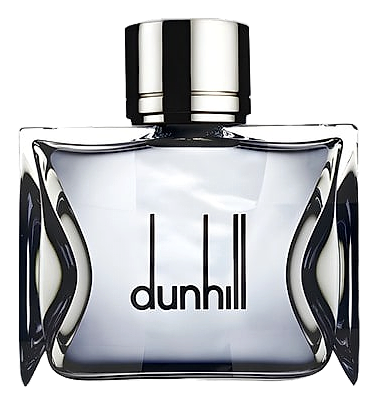
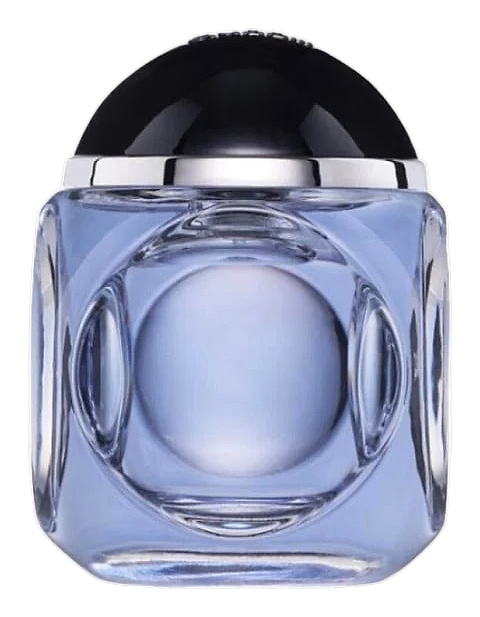
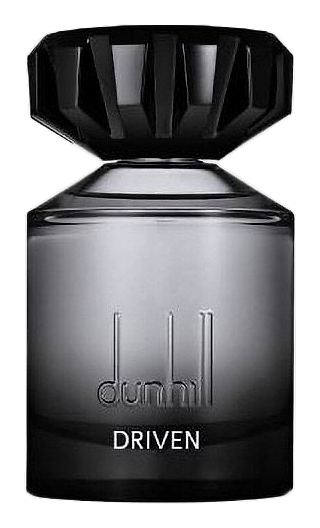
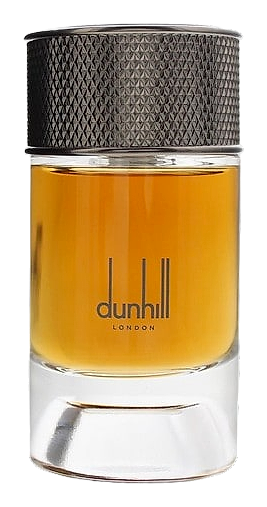
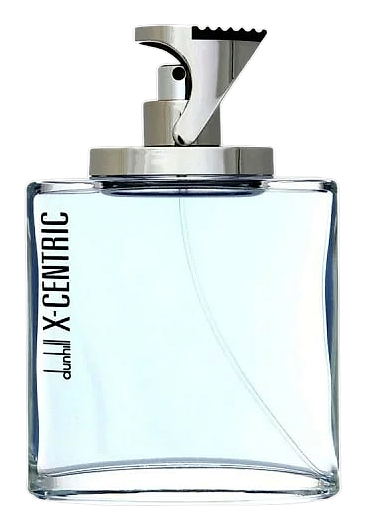
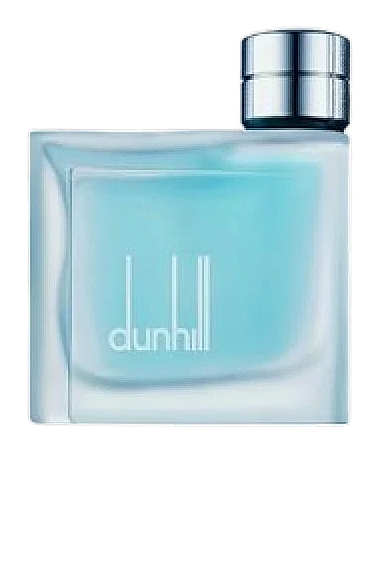
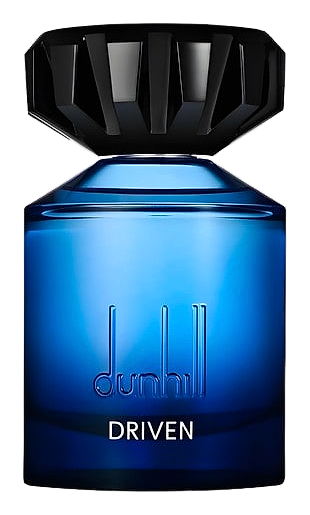
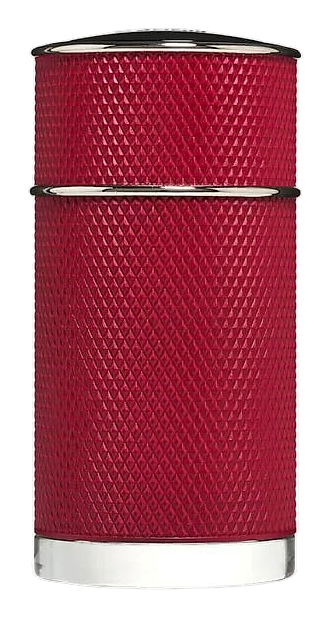
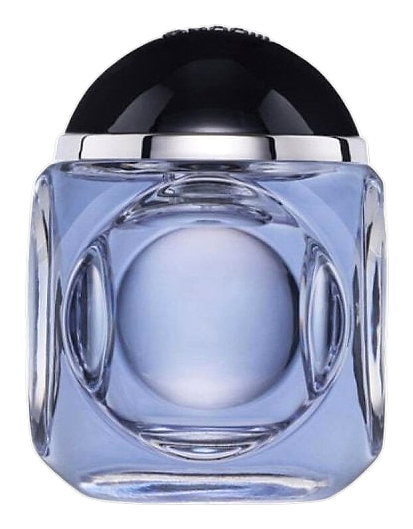
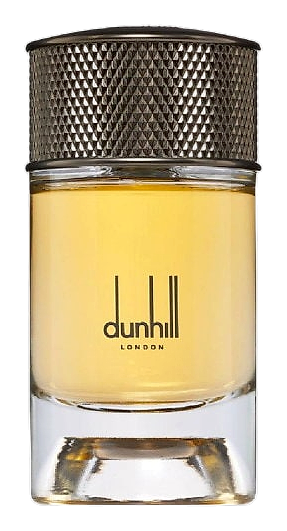
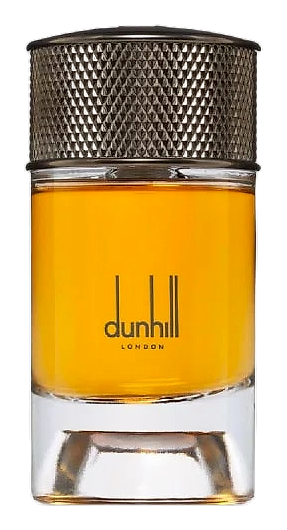
Visually, Dunhill presents a restrained, masculine aesthetic that echoes its British lineage. Bottle designs favor clean lines, dark glass, and brushed metal caps, often bearing the brand’s silver monogram. The typography on packaging uses a classic serif font, reinforcing a sense of heritage while remaining legible on modern shelves. Advertising imagery typically features well‑dressed gentlemen in urban or travel settings, with a muted colour palette that highlights the product rather than the surrounding spectacle. Recent campaigns for scents such as Mongolian Cashmere (2022) incorporate subtle landscape motifs, linking the fragrance’s inspiration to its visual language. The overall brand image avoids overt flash, instead opting for a quiet confidence that aligns with the house’s long‑standing reputation for quality craftsmanship.
Philosophy
The brand frames its perfume work as an extension of British craftsmanship and quiet elegance. Official statements describe a focus on “uncompromising dedication to excellence, craftsmanship and style,” a sentiment echoed by independent observers who note Dunhill’s restraint in marketing and its preference for timeless design over fleeting trends. The house values authenticity, sourcing ingredients that reflect natural landscapes – from English lavender fields to Indian sandalwood forests – and pairing them with a modern compositional structure. Under creative director John Ray, the brand has emphasized a balance between heritage and contemporary relevance, encouraging perfumers to respect classic accords while exploring new geographic inspirations such as the Mongolian steppe or the Amalfi coast. This philosophy translates into a scent portfolio that aims to accompany the modern gentleman through work, travel and leisure, offering a subtle narrative rather than a bold proclamation.
Key Milestones
1893
Alfred Dunhill founded the company in Westminster, London, taking over his father's saddlery business.
1934
Dunhill launched its first fragrance, Dunhill for Men, marking entry into perfumery.
1967
The fragrance line joined Toiletries of London, establishing a dedicated production framework.
1970
English Lavender was released, becoming one of the brand’s early signature scents.
2015
John Ray was appointed creative director, steering the brand toward a modern olfactory direction.
2020
Agar Wood, Amalfi Citrus and Egyptian Smoke debuted, introducing a new wave of geographically inspired fragrances.
At a Glance
Brand profile snapshot
Origin
United Kingdom
Founded
1893
Heritage
133
Years active
Collection
1
Fragrances released
Avg Rating
4.0
Community sentiment
Release Rhythm


