Brazilian Redwood
Brazilian rosewood from Aniba rosaeodora delivers a rare combination: sweet linalool freshness layered over warm, creamy wood. Once a cornerstone of Chanel No. 5, this endangered Amazonian treasure is now ethically cultivated in Peru, finding new life in conscious perfumery.
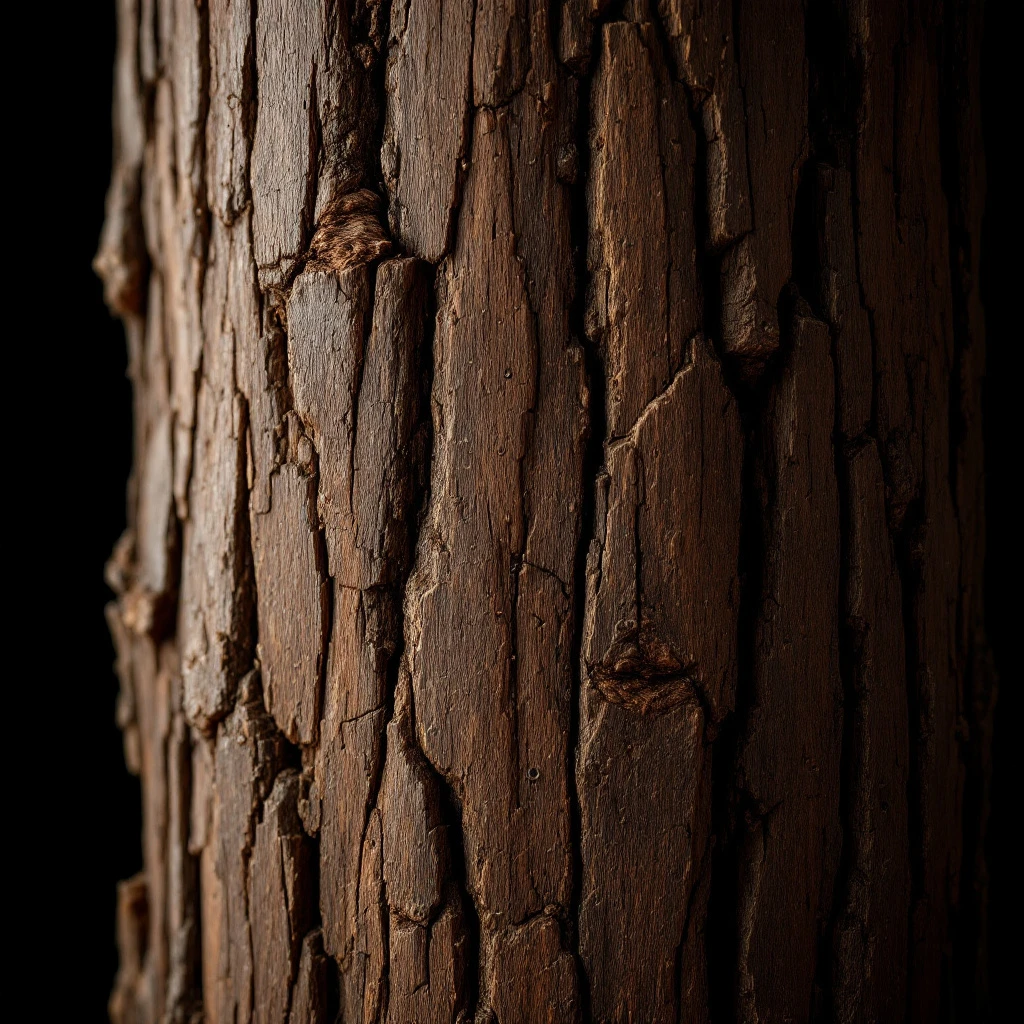
Character
How it smells
Sweet, woody, and forever linked to Chanel No. 5.
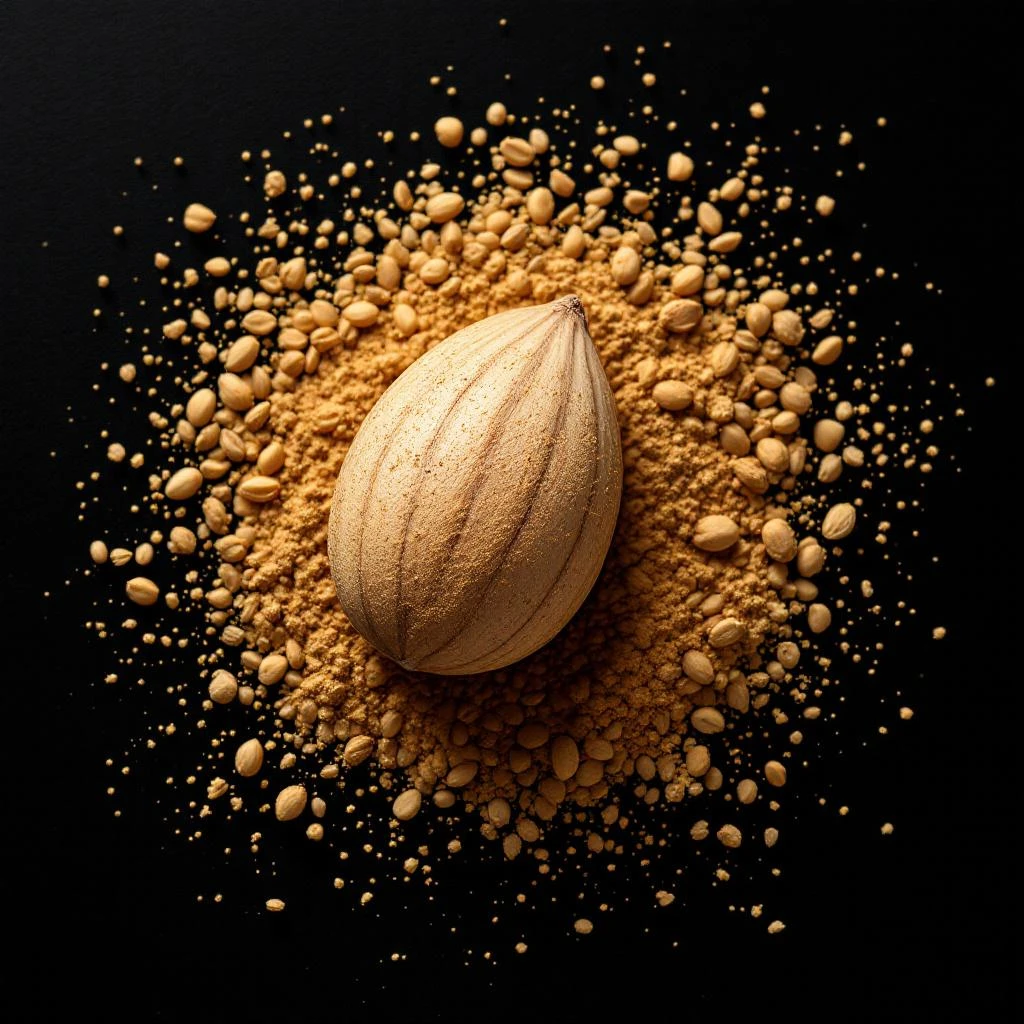
Brazilian rosewood shares its core molecule—linalool—with lavender, yet develops a uniquely creamy, almost floral-woody character when steam-distilled from Amazonian heartwood.




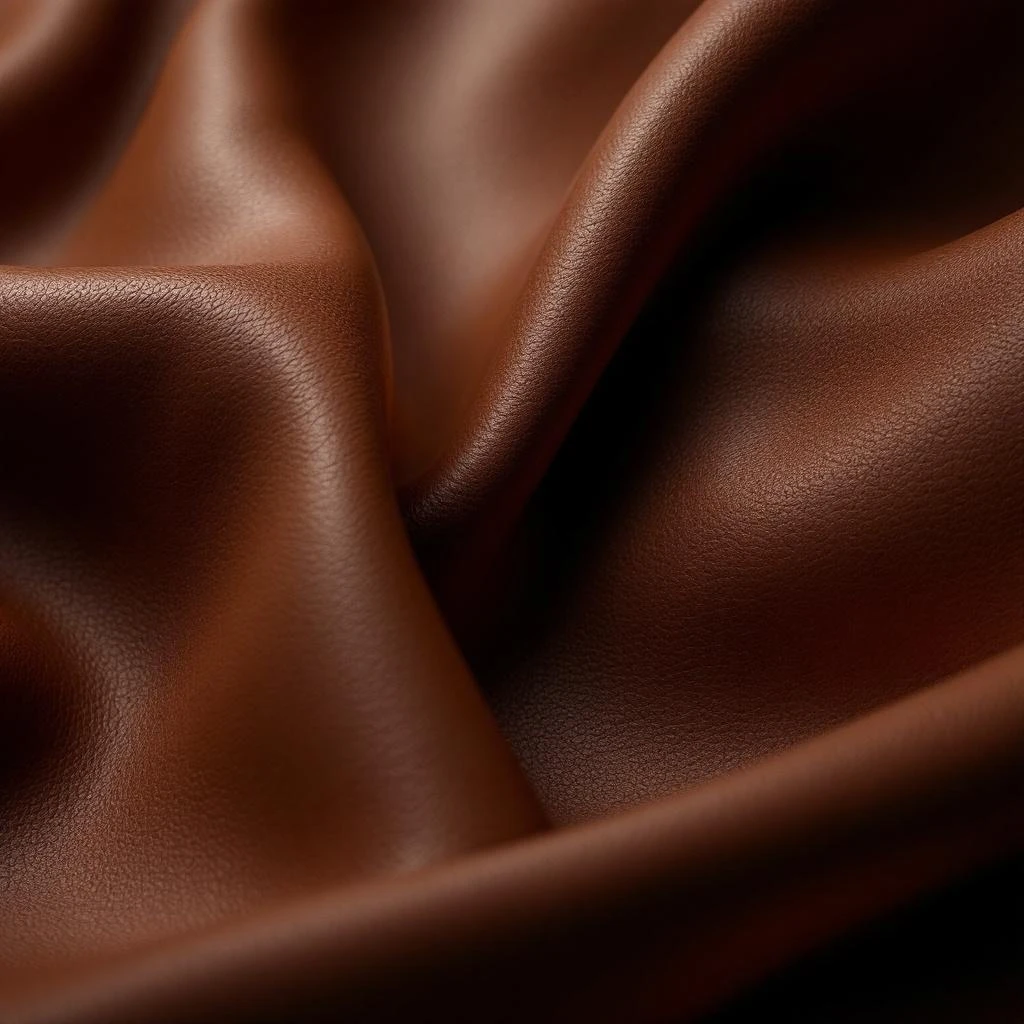

Origin
Brazil
French Guiana first exported rosewood oil to Europe in the early 19th century, supplying the French perfume industry's exacting standards. The ingredient quickly became essential to haute parfumerie. In 1921, Chanel No.
5 launched with Brazilian rosewood as a foundational component, cementing the ingredient's place in fragrance history. The Brazilian Amazon basin served as the primary source, with the tree's dense heartwood containing highly concentrated aromatic compounds. Decades of unregulated harvesting pushed wild Aniba rosaeodora populations toward collapse, prompting international trade restrictions under CITES.
Peru emerged as the primary alternative source, implementing certified cultivation programs that balance conservation with commercial viability. This shift from wild harvest to sustainable plantation production marked a turning point for the ingredient's future, transforming an overexploited resource into a model for ethical sourcing in luxury perfumery.
Wears it best
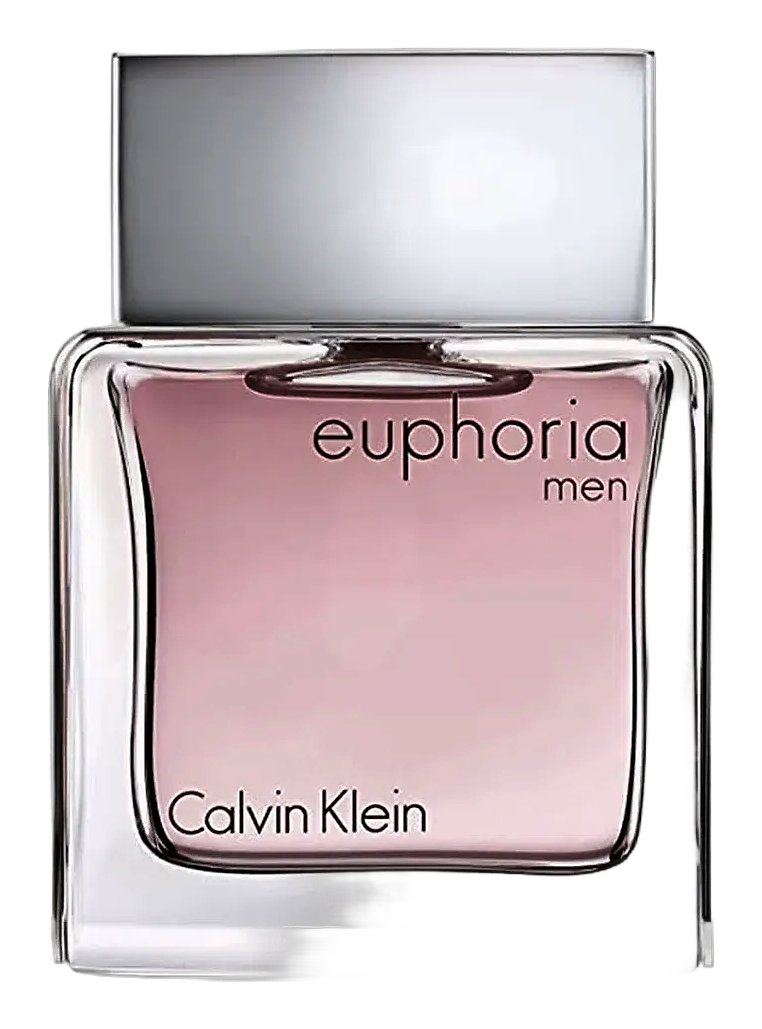
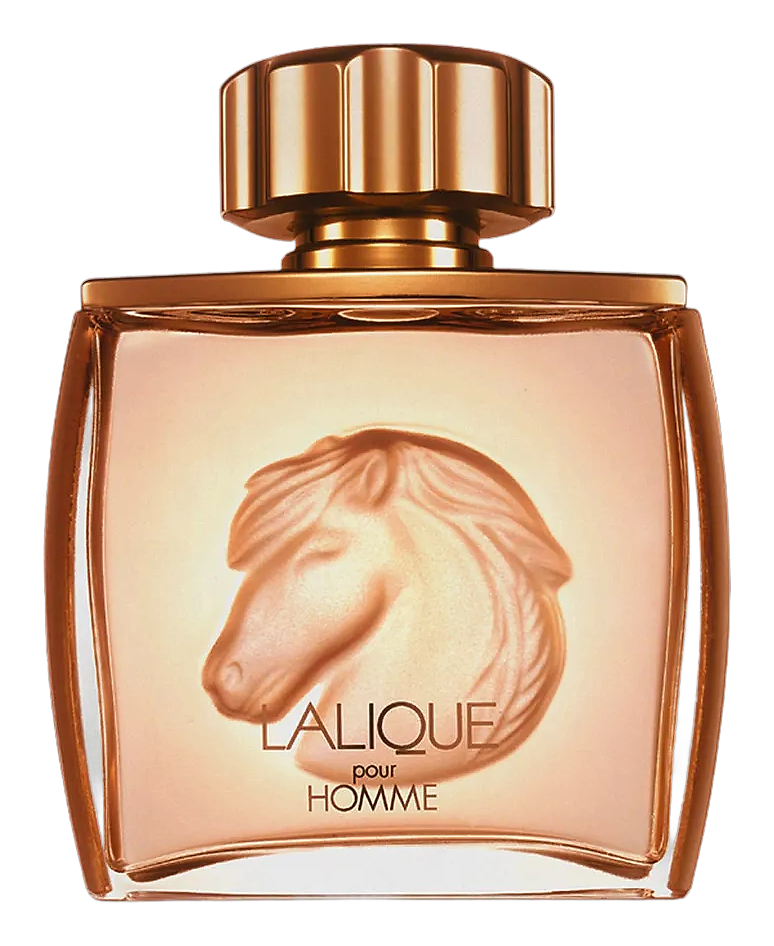
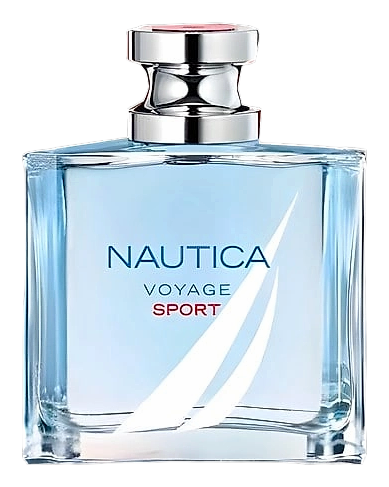
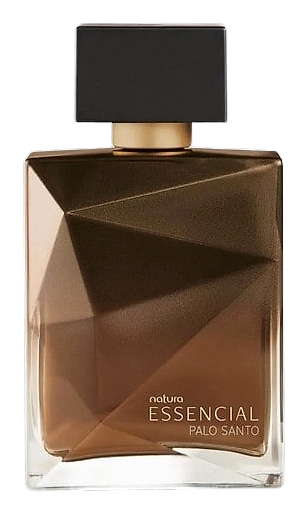
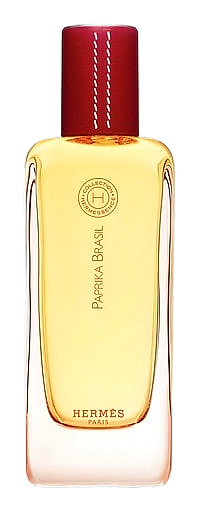
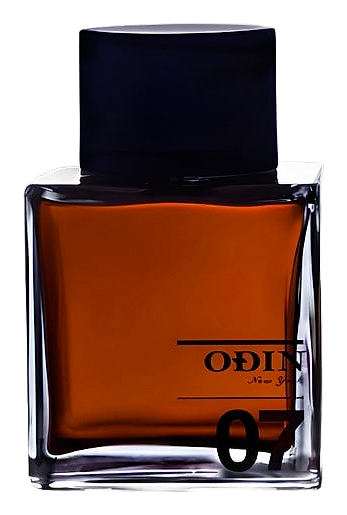
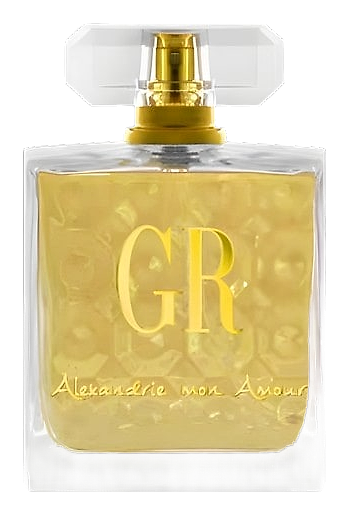
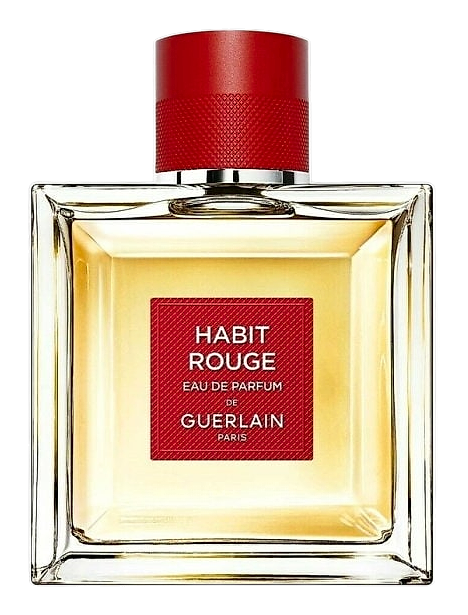
Fragrances featuring Brazilian Redwood
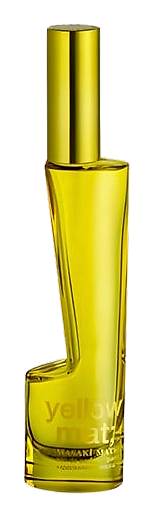
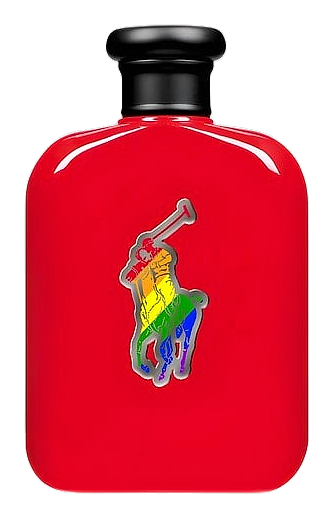
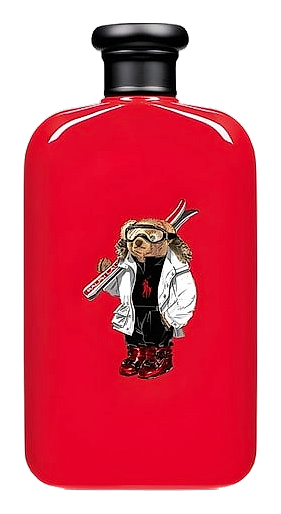
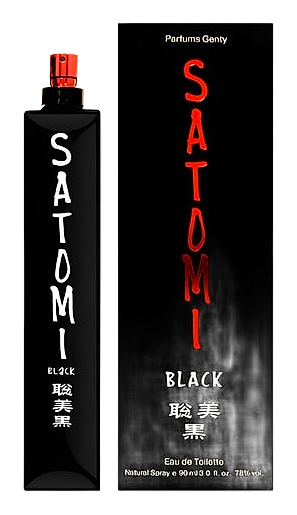
Brands
Brands known for Brazilian Redwood
Good to know
Questions, answered
The essentials on Brazilian Redwood in perfumery: how it smells, where it comes from, and how it behaves on skin.
What does Brazilian rosewood smell like?
It combines sweet, linalool-driven freshness with warm, creamy wood. The character reads as floral sweetness meeting dry timber—not sharp, but soft and inviting.
Why did Brazilian rosewood become controversial?
Overharvesting endangered wild populations in Brazil. International trade restrictions now apply, and Peru has developed ethical cultivation programs to meet demand.
Is Brazilian rosewood now sustainable?
Yes, ethical sourcing now centers on Peruvian plantations under CITES certification, with supply chains designed to support forest conservation.
What perfume famously uses Brazilian rosewood?
Chanel No. 5. Rosewood oil served as a foundational ingredient since its 1921 launch, helping define the modern floral perfume direction.
How much essential oil comes from rosewood wood?
Steam distillation of roughly 50 kilograms of wood yields approximately one kilogram of essential oil, making the ingredient relatively scarce.
Can synthetic alternatives replace natural rosewood?
Synthetic linalool exists, but natural rosewood oil contains trace compounds creating a more complex, nuanced aromatic profile that synthesis cannot fully replicate.
What ingredients pair well with rosewood?
It harmonizes with citrus oils, jasmine, sandalwood, and vanilla, adding warmth and creamy depth to floral and woody compositions.
What role does rosewood play in perfume composition?
As a heart-to-base note, it bridges top-note brightness with base-note depth, providing a smooth, creamy transition that softens sharper aromatic elements.