
The Story
Why it exists.
The beginning
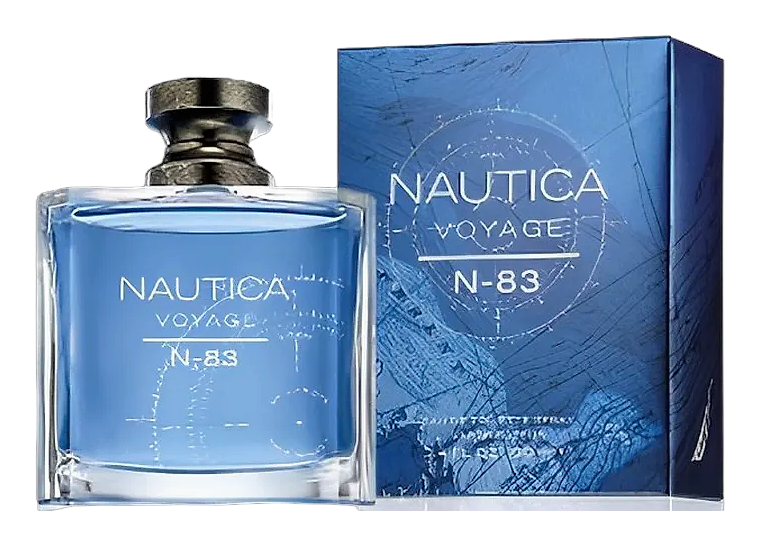
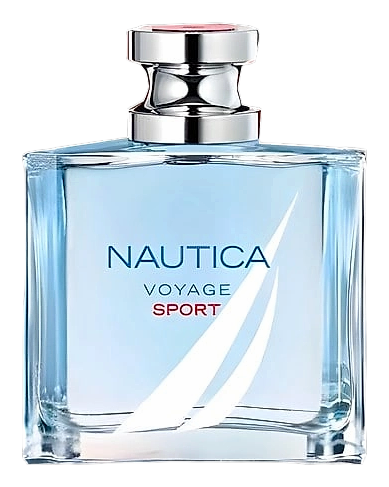
Nautica Voyage Sport arrived in 2016 as a new chapter in one of the brand's most recognized lines. The original Voyage launched in 2003 and quickly became the cornerstone of Nautica's fragrance identity, a scent that smelled like open water without apology. Voyage Sport took that same saltwater ambition and sharpened it. The brief was simple: same spirit, more energy, built for the kind of person who moves through summer at a different pace.
What makes Voyage Sport work is the contrast baked into its structure. The top opens with citrus and sea salt, bright, brine-forward, unmistakably aquatic. But the heart introduces apple and green pepper, a fruity-green pairing that keeps the composition from reading as generic fresh. That apple note especially surprises people who expect pure marine. It adds a sweetness that feels natural rather than synthetic, and it shifts the fragrance away from the typical chlorine-adjacent aquatic trap that sinks so many sport flankers.
The evolution
The opening hits immediately. Citrus zest, sea salt, a flicker of coriander spice. That brine note is the star for the first fifteen minutes, you can almost taste the ocean. Then the sea salt fades and the apple takes over, staying prominent through the heart while geranium and green pepper keep things grounded and slightly savory. The drydown belongs to the base: musk and vetiver working together, with patchouli and Brazilian redwood adding a dry woody structure that keeps the scent close to the skin. On most people, it holds for 4-6 hours. The sillage stays moderate throughout, present enough to notice, never filling a room.
Cultural impact
Voyage Sport sits in that rare category: a fragrance that performs reliably without demanding attention. The value-for-money rating is consistently strong, and the profile, fresh citrus, apple, sea salt, woody base, covers enough ground to appeal broadly. It's the kind of scent you buy, wear, and rebuy without ceremony. The moderate sillage and workday longevity make it a practical choice rather than a statement one, which is exactly what Nautica intended.