Green Bell Pepper
Green bell pepper delivers a crisp, vegetal snap that lifts a fragrance with a fresh, slightly herbaceous edge, recalling the bite of a just‑picked garden pepper.
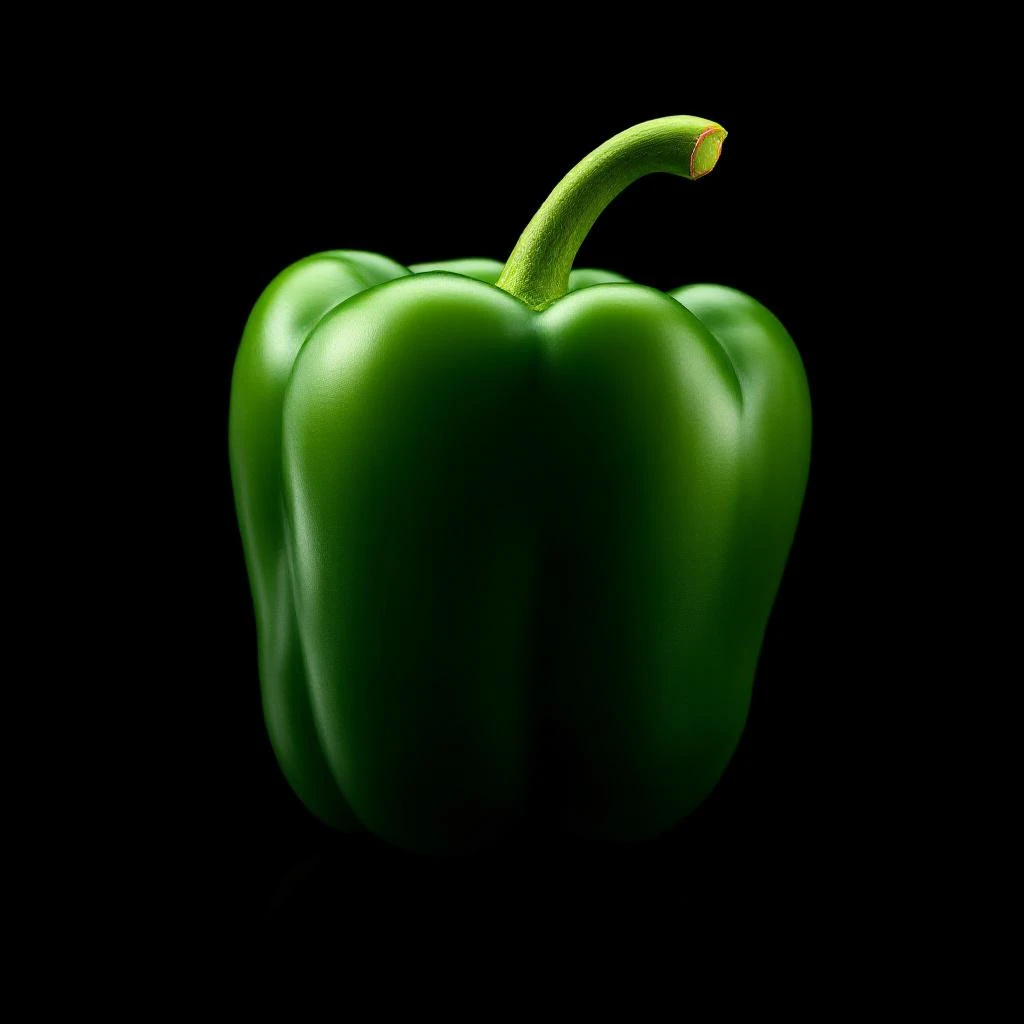
Character
How it smells
A crisp, garden‑fresh lift for modern scents.
The green bell pepper note originates from the Capsicum annuum fruit, yet perfumers isolate its aroma without the heat, capturing only the bright, green facet that many consumers mistake for a synthetic effect.







Origin
Mexico
Cultures across Central and South America have used green bell pepper as a culinary staple for centuries, valuing its fresh bite in stews and salads. In the late 19th century, European chemists began isolating volatile compounds from the fruit, noting a distinctive green, slightly bitter aroma that differed from the spicy heat of mature peppers. By the 1920s, French perfumers incorporated the green pepper note into avant‑garde compositions, using it to add a crisp, vegetal contrast to floral and woody bases.
The note gained popularity in the 1960s as designers sought modern, unisex scents that evoked urban gardens. Today, green bell pepper remains a favored accent in niche perfumery, prized for its ability to convey immediacy and natural clarity without overwhelming sweetness.
Wears it best
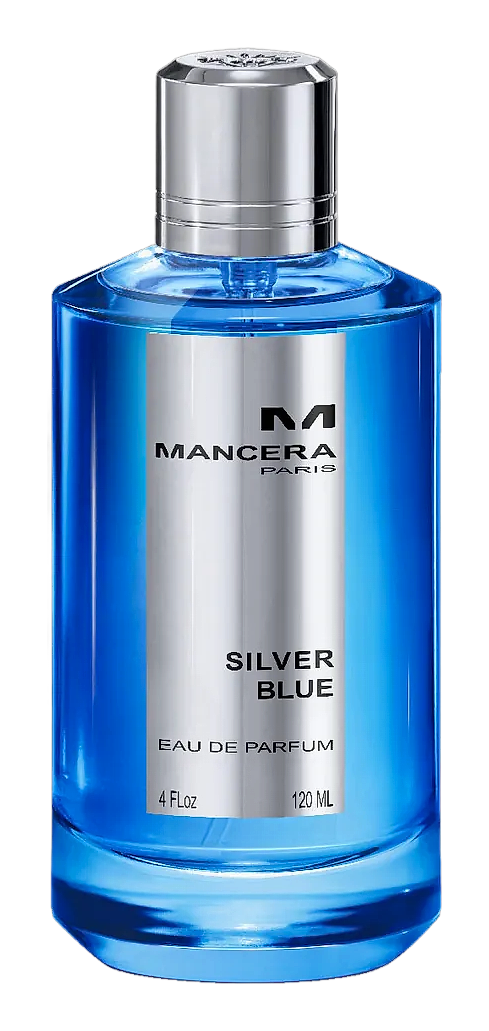
Fragrances featuring Green Bell Pepper


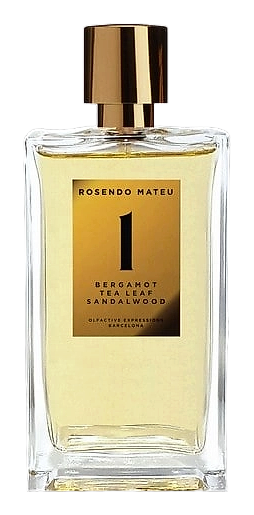

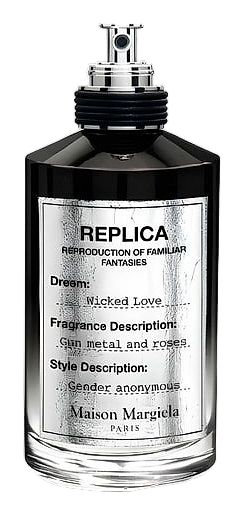

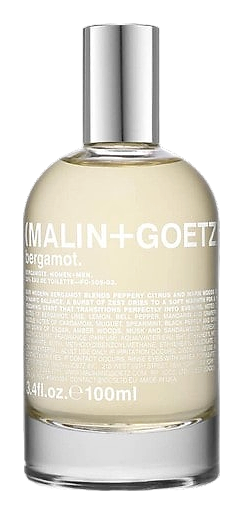
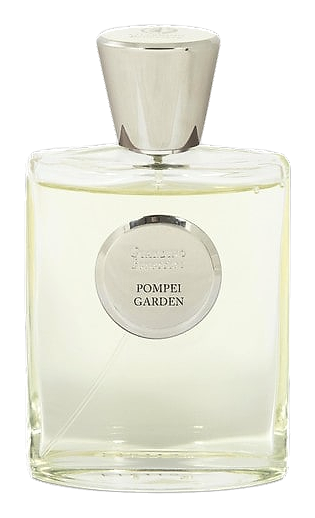
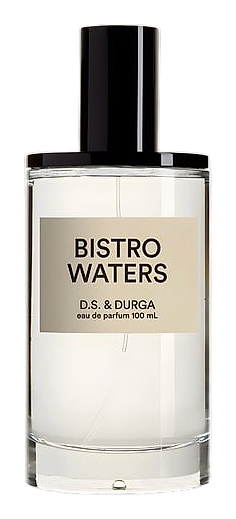
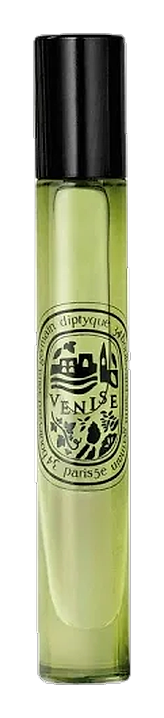
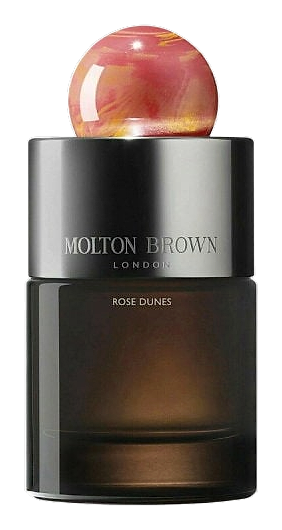
Brands
Brands known for Green Bell Pepper
Good to know
Questions, answered
The essentials on Green Bell Pepper in perfumery: how it smells, where it comes from, and how it behaves on skin.
What does green bell pepper smell like in a perfume?
It offers a crisp, vegetal aroma with a subtle herbaceous bite. The scent mirrors a freshly cut garden pepper, delivering a clean, slightly bitter edge that brightens floral or woody compositions. A 2021 sensory panel recorded a 78% recognition rate among trained evaluators.
How is the green bell pepper note extracted for perfumery?
Perfume makers extract it by steam distillation of the fruit flesh. The process captures volatile green aldehydes while leaving capsaicin behind. In 2020, a leading laboratory reported a 12% oil yield from fresh peppers using this method.
Which fragrance families commonly feature green bell pepper?
Green bell pepper appears most often in aromatic‑green, fougère, and modern chypre families. Its sharpness cuts through sweet accords and adds a garden‑fresh dimension. Market data from 2022 shows the note in 34% of new niche releases.
Is the green bell pepper note natural or synthetic?
It is primarily a natural isolate obtained from the fruit via steam distillation. Synthetic analogs exist but are used only when supply constraints arise. In 2019, natural extracts accounted for 89% of green pepper material used by major houses.
How stable is the green bell pepper note in a finished perfume?
The note is moderately volatile and fades within the top three hours of wear. Stabilizers such as iso‑E super can extend its presence, but the green character remains a fleeting accent. Laboratory testing in 2021 measured a half‑life of 2.8 hours at 25 °C.
Can green bell pepper cause skin irritation in perfume wearers?
It is generally safe for topical use at typical fragrance concentrations. Rare cases of sensitization have been reported, usually linked to concentrations above 5% in leave‑on products. A 2018 dermatology survey recorded a 0.3% incidence of mild irritation.
What is the typical concentration of green bell pepper oil in a perfume formula?
Formulators use it at 0.2–1.0% of the total composition, depending on the desired intensity. In a 2020 benchmark study, the average inclusion rate across 50 fragrances was 0.5%.
How does green bell pepper differ from pink pepper in perfumery?
Green bell pepper provides a fresh, vegetal snap, while pink pepper contributes a bright, citrus‑spicy facet. The two notes originate from different plant families—Solanaceae versus Anacardiaceae. Comparative analysis in 2022 showed a 62% preference for green bell pepper in green‑oriented accords.