The Story
Why it exists.
The beginning
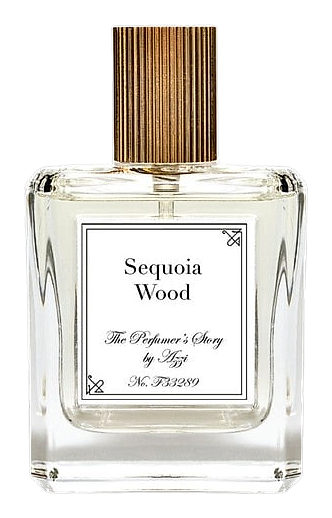
Sequoia Wood began as Azzi Glasser's personal signature. For years, people stopped her to ask what she was wearing. Finally, in 2015, she released it as part of The Perfumer's Story, eleven limited edition fragrances, each built around a distinct character rather than a commercial formula. Sequoia Wood takes its name from the ancient redwoods of California, those massive trees that grew for thousands of years in silence. She wanted to bottle something of that, the weight of old wood, the patience of something that's been standing a long time.
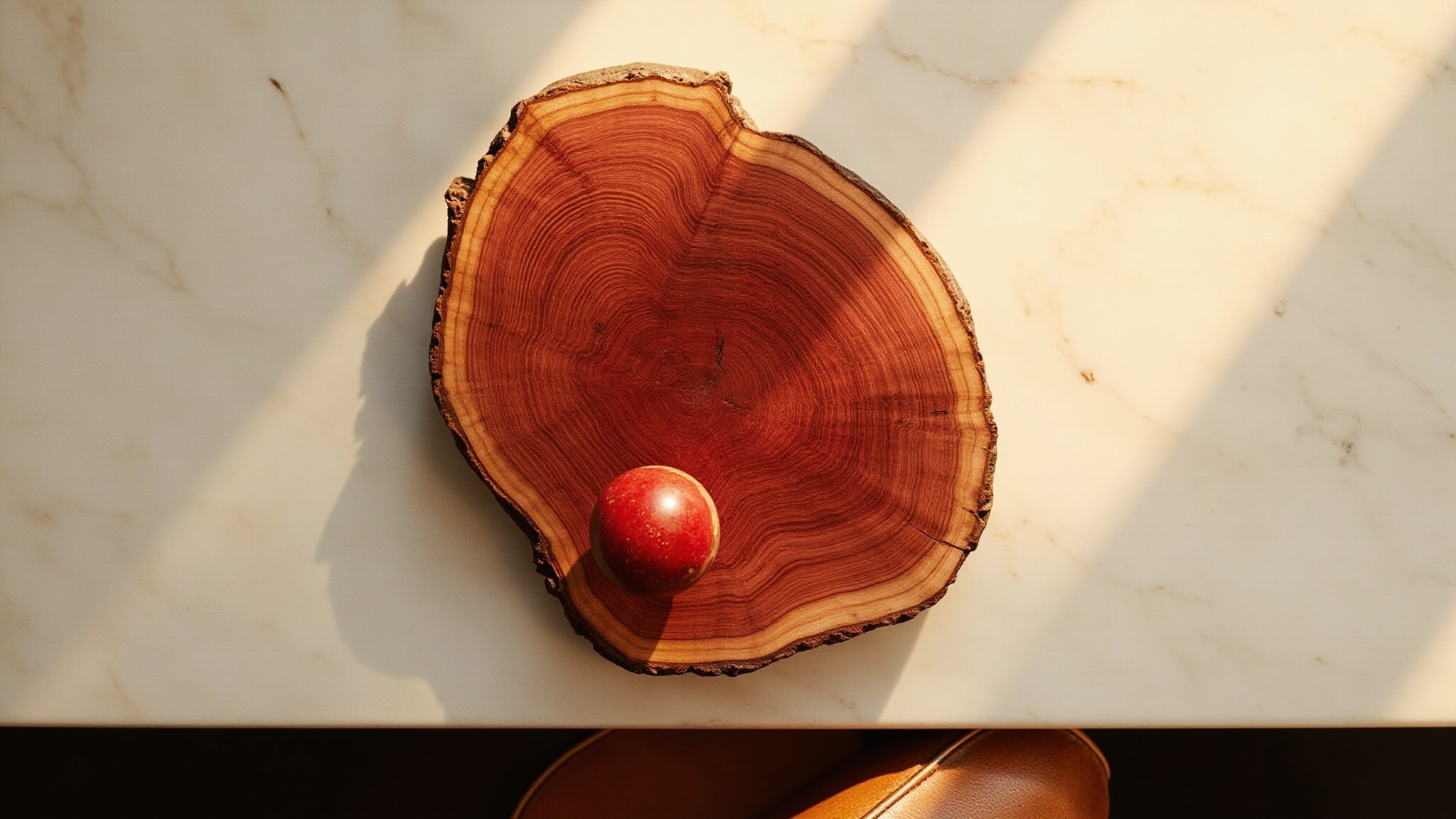
What makes Sequoia Wood interesting is its refusal to choose sides. Neroli and palmarosa give it that clean, green opening, the freshness of morning light through leaves. But sequoia wood isn't a quiet base. It's present from the start, warm and red and a little animal. Paired with cedar, white musk, and patchouli, the fragrance becomes something that smells like it's been on skin for hours even at the first spray. That tension, pretty but not delicate, woody but not masculine, is what keeps people coming back.
The evolution
The opening arrives quickly: neroli's citrus-bright clarity over green Palmarosa. Within minutes, the sequoia's red wood takes over, and it doesn't wait its turn. It arrives with the top notes and stays. The citrus fades, the wood deepens, and underneath there's white musk warming everything like a second skin. Around the four-hour mark, the drydown begins. Patchouli enters quietly, earthy and grounded. Not loud. Not projecting. Just there, close and warm and still present eight hours later on most skin.
Cultural impact
Sequoia Wood has found its wearers, people looking for something beyond the typical fragrance. The 2015 launch placed it among a wave of personality-driven niche releases, though its sequoia wood heart keeps it from easy comparison. It's become a signature for those who've moved past safe choices.