The Story
Why it exists.
The beginning
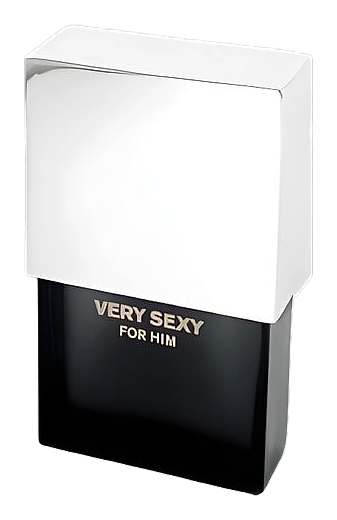
Jean Claude Delville built Very Sexy for Him in 2001 as Victoria's Secret's answer to a particular kind of confidence. Not the cologne you plan around, the one you reach for at 11:45 because something shifted. The brief was clear: citrus that opens like a window thrown open in a warm room, then something warmer underneath that earns the follow-up question. This is the fragrance for the moment between the entrance and the rest of the night.
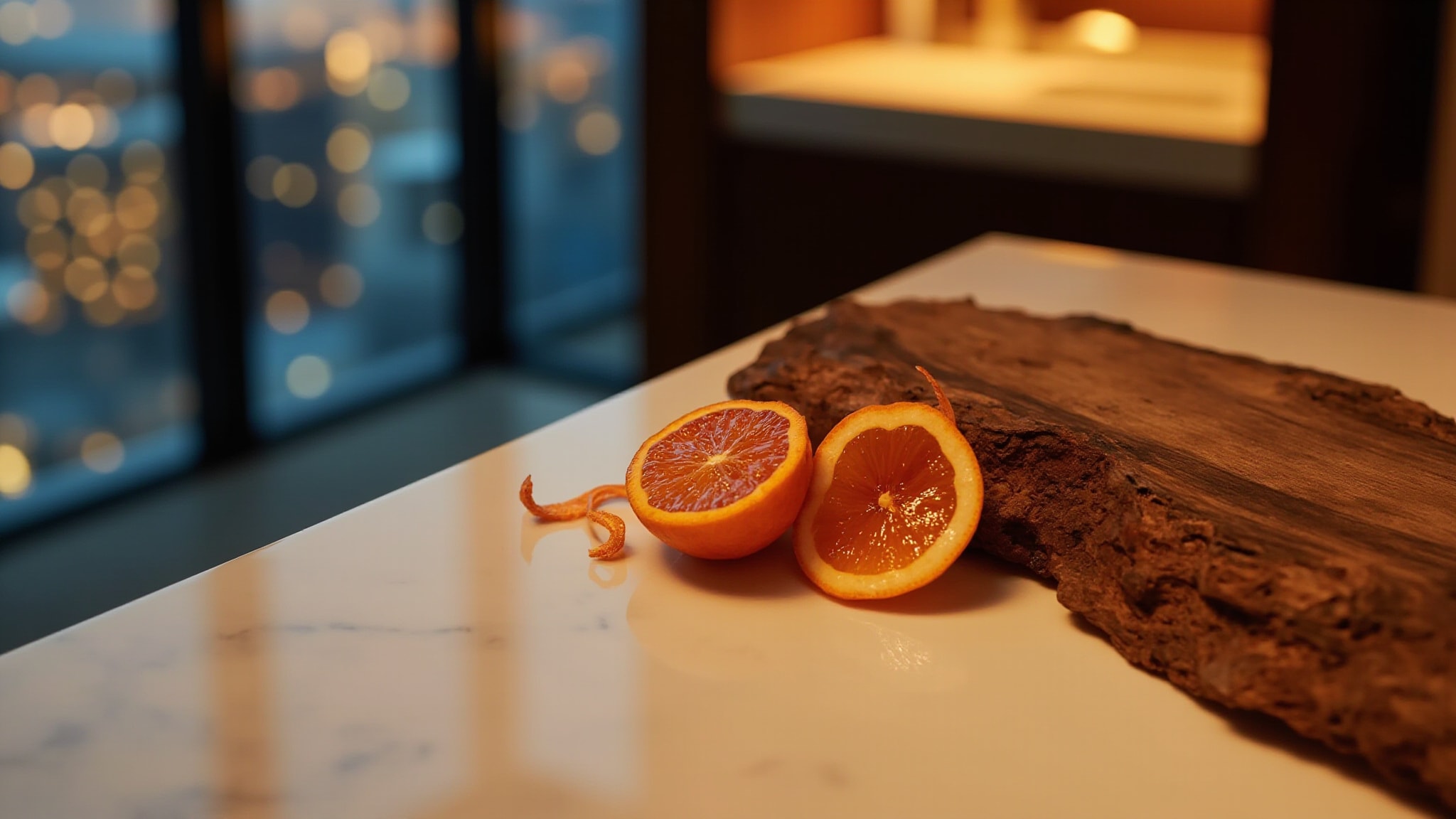
Caraway is the left turn nobody sees coming in the opening, it adds a faint anise-like edge that keeps the tangerine and lime from being obvious. Bamboo in the heart is unusual for 2001; it's a quiet green note that holds the door while the Sichuan pepper and sage work through their argument. The real story is the base: Sequoia wood and orange blossom is an unusual pairing, the wood adds a dry California heat while the blossom keeps things soft, almost apologetic. Vetiver ties it together like the back cover of a paperback novel you buy at an airport.
The evolution
The opening hits sharp and fast, tangerine and lime cut through the room before you even sit down. Caraway gives it about three minutes of something slightly strange, then smooths out. The cinnamon and sage arrive around the 15-minute mark and take over for the next two hours, warm and herbal without being heavy. This is where most people check their wrist. The drydown is the long game: sequoia and musk fade slow, vetiver lingers another two hours after everything else packs up and leaves. Orange blossom stays closest to skin, the kind of whisper that only someone already leaning in would catch. The next morning, it's vetiver and soap. That's it.
Cultural impact
Victoria's Secret entered the mass-market men's fragrance arena with Very Sexy for Him in 2006, challenging the notion that quality scents required luxury price points. The brand leveraged its fashion show broadcasts and catalog reach to introduce millions of consumers to a fresher, more playful take on masculine fragrance during an era dominated by heavy ambers and woods. The prominent tangerine and lime top notes signaled a broader industry shift toward brighter, more approachable men's scents. This accessibility helped make aromatic sophistication mainstream and influenced mass-market launches that followed.