The Story
Why it exists.
The beginning
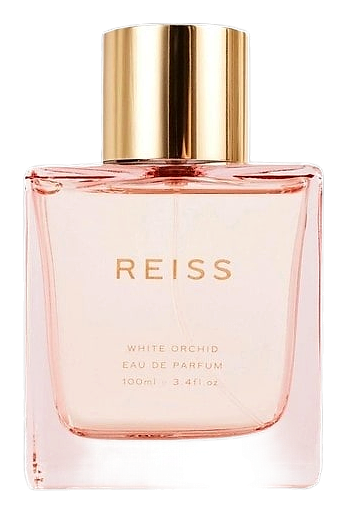
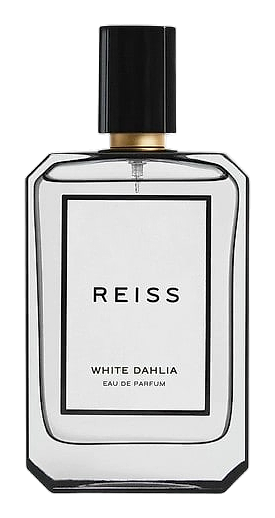
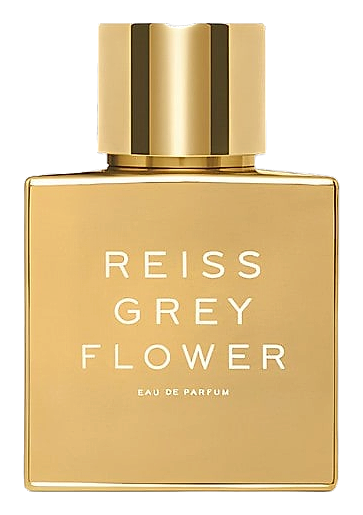
Grey Flower arrived in 2013 from Reiss, the British fashion house known for refined tailoring that expanded into ready-to-wear for men and women. The brand had launched its first fragrances around 2011, coinciding with its 40th anniversary, a natural extension of the house's aesthetic into lifestyle products. Azzi Glasser composed the scent, bringing her approach to olfactory storytelling to Reiss's color-centric naming philosophy. Grey Flower wasn't designed to announce itself. It was designed to belong, to the kind of wardrobe that doesn't need to shout. The name itself is the concept: floral, but muted. Warm, but cool. The grey is the point, not invisible, just restrained. What Glasser built here is a fragrance that refuses easy categorization. The artemisia and sequoia give it a grey-green tension; the amber and frankincense give it warmth. The combination creates something that sits between garden and ceremony, between natural and processed.
The note structure of Grey Flower is unusual. Artemisia, bitter, herbal, almost medicinal, sits at the top alongside pimento's warm berry spice and sequoia's dry cedary wood. In most fragrances, those top notes would lead somewhere bright and floral. Here, the heart brings jasmine, but jasmine that's been muted, pressed flat by the woody and smoky elements around it. The result is not a blooming floral. It's a grey one. Cacao appears in the heart, adding a darker, warmer dimension that most wearers don't expect. It gives Grey Flower its unexpected depth, not sweet chocolate, but something cooler and more bitter, like grey sky over autumn.
The evolution
The opening is where Grey Flower announces its intentions. Artemisia's bitter-green sharpness leads, followed quickly by pimento's warm berry-and-clove spice and sequoia's dry cedary presence. The sequoia is the structural note, it holds everything together, giving the opening an unexpectedly masculine character despite the floral branding. Within minutes, the artemisia and pimento begin to recede, and the heart begins to assert itself. In the heart, jasmine arrives, but it doesn't bloom in the conventional sense. It sits flat, muted, atmospheric. Like flowers at dusk. Cocoa adds a dark, warm undertone that most wearers don't expect from a fragrance called Grey Flower. The combination is cooler and greyer than a typical floral, more autumn than spring, more dusk than dawn. Then the base begins to assert itself, and the smoke arrives. The drydown is where Grey Flower becomes itself. Frankincense leads, with its characteristic smoky, slightly balsamic resin. Patchouli follows, earthy, bitter, grounding. Amber adds warmth without sweetness.
Cultural impact
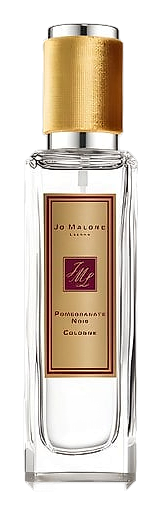
Grey Flower has cultivated a small but devoted following since its 2013 debut. The incense-forward character and linear structure generate strong opinions, some find its quiet confidence compelling, others note it lacks originality in a crowded smoky-floral space. Wearers consistently cite the substantial presence despite moderate sillage, and those who connect with it tend to remain loyal. The frankincense-forward drydown has become a signature for its enthusiasts. Comparisons to Byredo Eleventh Hour and Jo Malone London's Rock The Ages Pomegranate Noir suggest Grey Flower occupies a specific niche, smoky, woody-floral, with that characteristic fashion-house restraint.