
Heritage
A house, in its own words
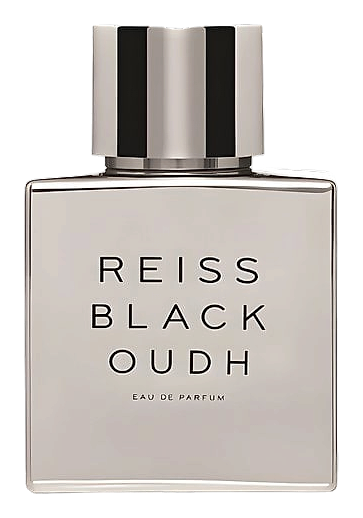
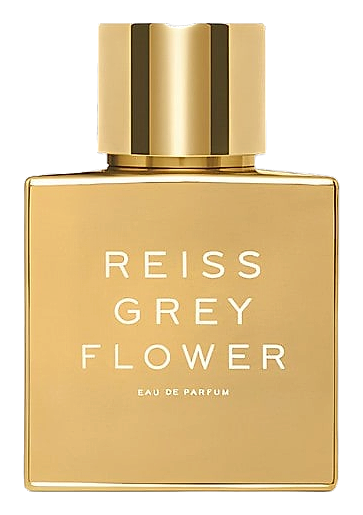
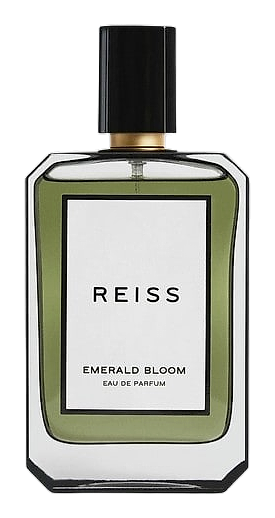
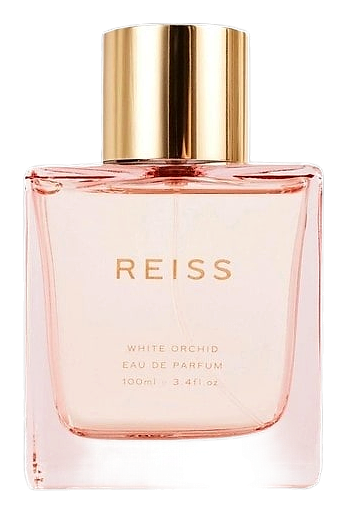
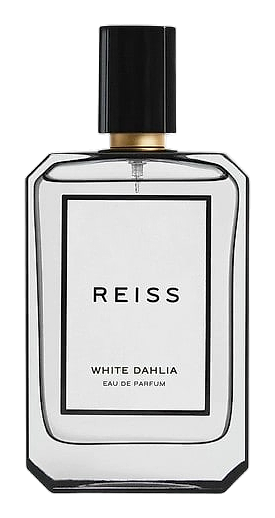
The Reiss story begins in 1971 when David Reiss established the brand with a focus on men's tailoring. The first retail location opened on Bishopsgate in London, a street that would become synonymous with the brand's expansion over the following decades. From its origins in bespoke and tailored menswear, the company gradually broadened its reach to encompass complete clothing collections for both men and women. David Reiss has remained at the helm as founder and managing director throughout the brand's growth, maintaining a consistent vision that prioritizes refined aesthetics and contemporary design. Around 2011, as Reiss marked its 40th anniversary, the decision was made to extend the brand beyond apparel into beauty products. This move represented a natural evolution, allowing the house to translate its fashion sensibility into new product categories. The debut fragrances for women and men arrived in 2013 with Black Oudh and Grey Flower, signaling the brand's serious intent within the fragrance space. Subsequent releases have arrived at regular intervals, including White Orchid (2017), Emerald Bloom (2020), White Dahlia (2021), and two 2026 offerings. The brand's heritage as a tailoring house distinguishes it from fragrance brands that originated in perfumery, bringing a distinctly fashion-forward perspective to scent creation. Reiss approaches fragrance as an extension of personal style rather than a standalone sensory experience. The brand reportedly seeks to translate the sensibility of its clothing collections into olfactory form, creating scents that complement rather than overwhelm. Each fragrance launch has carried a name that evokes specific imagery, from the smoky intensity of Black Oudh to the crisp freshness of Emerald Bloom. The naming convention suggests a color palette philosophy, with titles like Grey Flower, White Orchid, and White Dahlia indicating thematic groupings. Reports indicate that founder David Reiss viewed the fragrance expansion as a natural progression for a fashion brand, one that allows customers to engage with the Reiss aesthetic through multiple touchpoints. The brand does not appear to position itself as a traditional perfumery house with centuries of olfactory heritage. Instead, Reiss brings the pragmatic confidence of a contemporary fashion label to fragrance creation, reportedly emphasizing wearability and modern appeal over classical perfumery conventions. The approach appears designed to appeal to consumers who already connect with the Reiss clothing aesthetic and wish to extend that relationship into their sensory choices.