Citrus zest
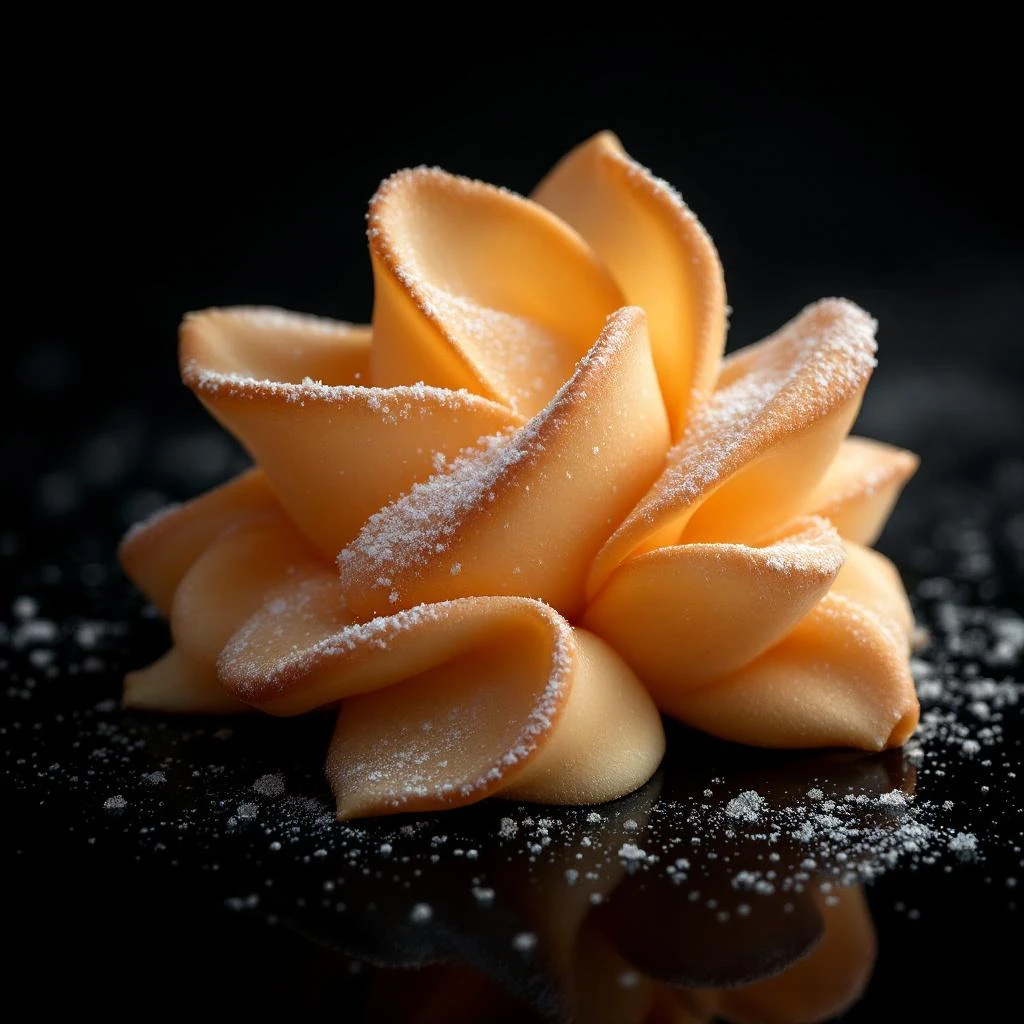
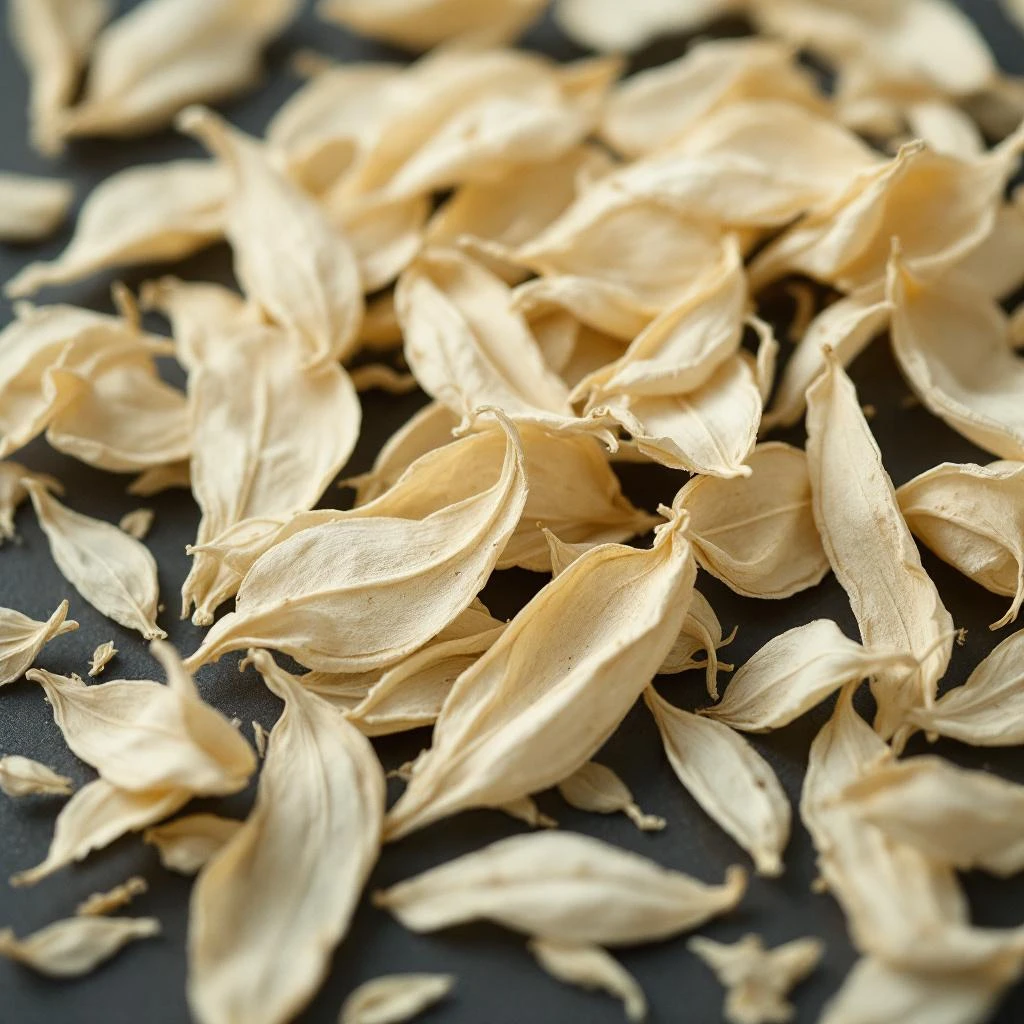
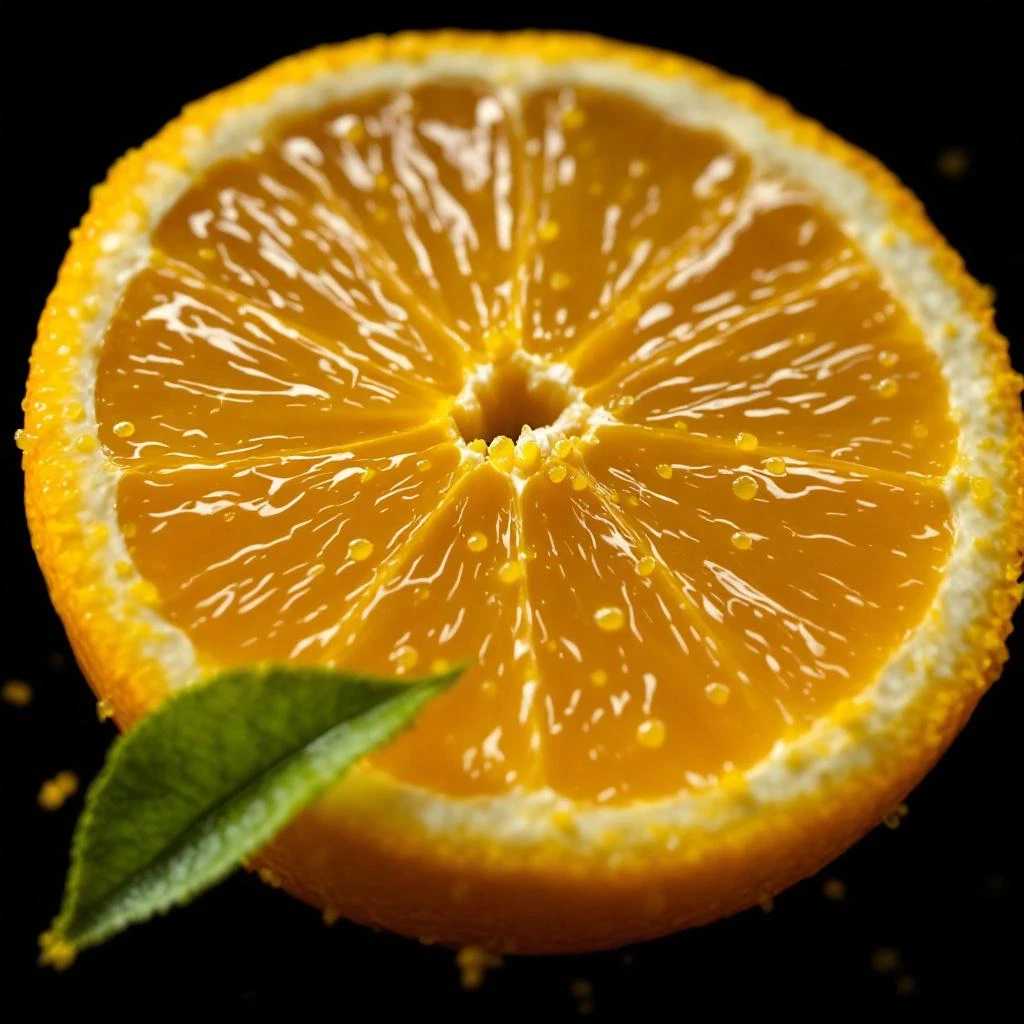
Citrus zest bursts with bright, tangy aroma, delivering a crisp lift that sharpens the senses and adds a sun‑kissed sparkle to any blend.
Character
How it smells
Bright zest, crisp lift – nature’s citrus spark.
Cold‑pressed lemon zest oil retains up to 30 % more limonene than steam‑distilled extracts, giving it a sharper, more vivid scent profile.






Origin
Italy
Ancient Egyptian artisans mixed citrus peel powders with incense, creating fragrant balms for temples and tombs. By the 18th century, European perfumers coined the term "cologne" to describe fresh, citrus‑based blends that relied heavily on zest oils from bergamot, orange, and lemon. The rise of cold‑press technology in the early 1900s expanded the availability of zest extracts, allowing perfumers to capture the vivid top notes that defined classic Eau de Cologne.
Throughout the 20th century, citrus zest remained a staple in both masculine and feminine fragrances, its bright character balancing richer woods and spices. Today, niche houses celebrate zest as a bridge between heritage techniques and modern sustainability practices, often sourcing from organic orchards in Sicily and the Mediterranean.
Wears it best
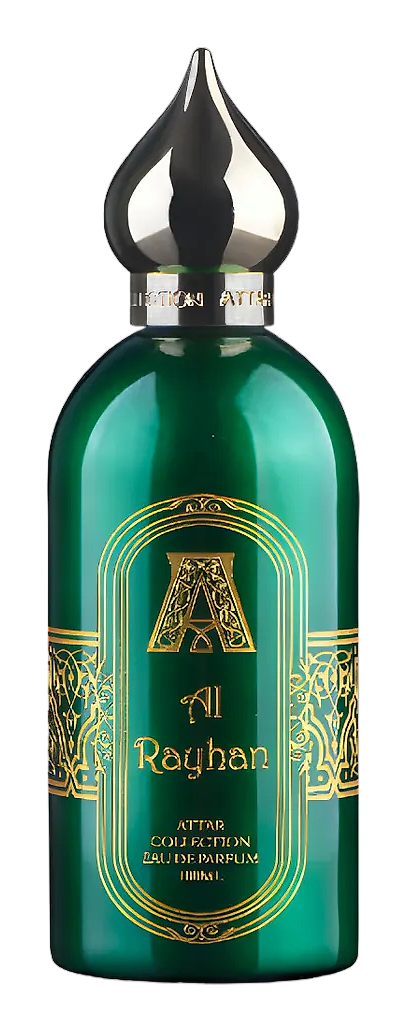
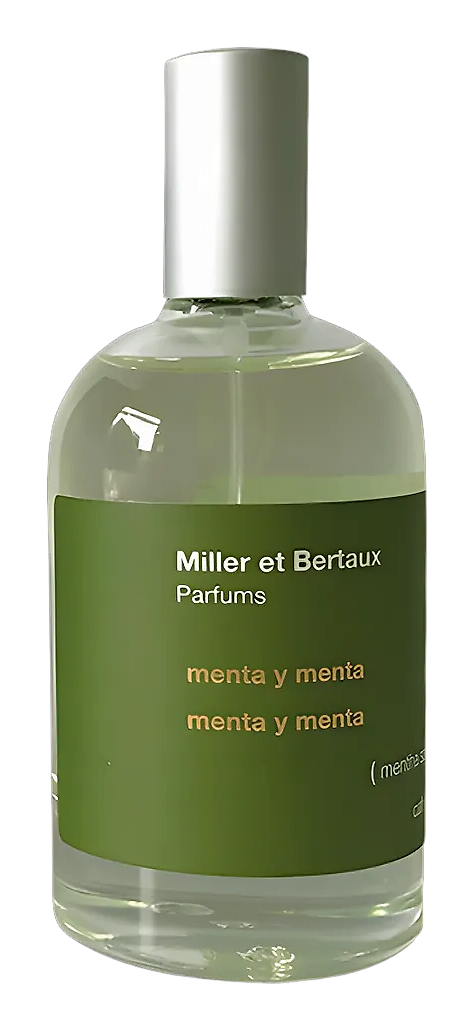
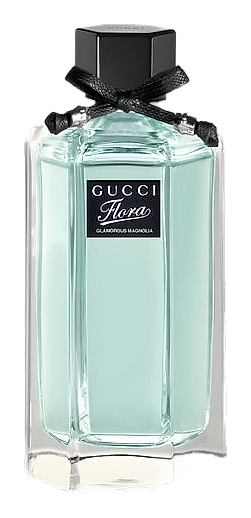
Fragrances featuring Citrus zest

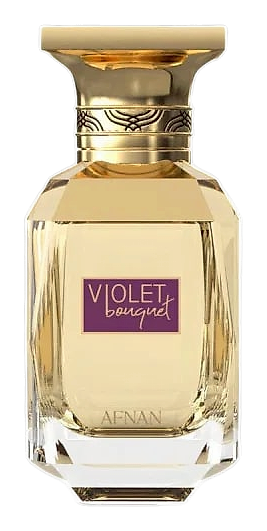

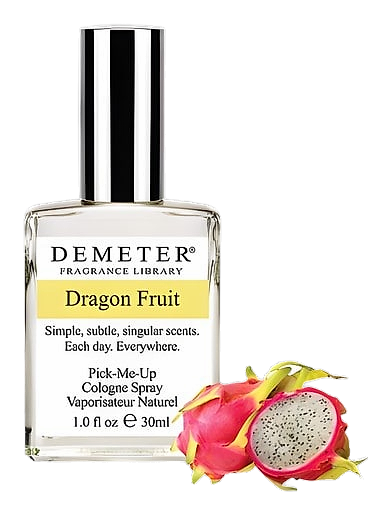
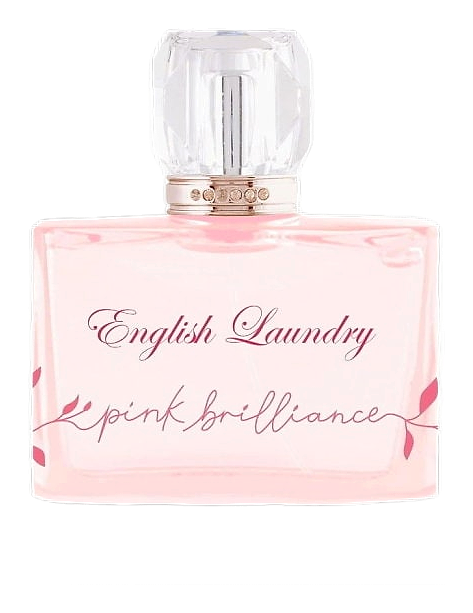
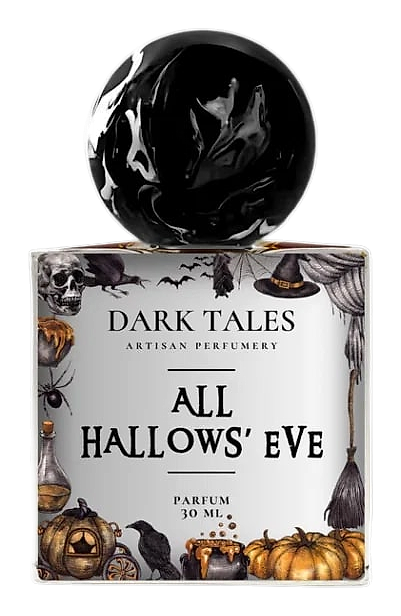
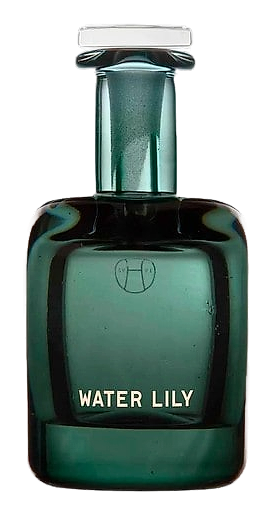
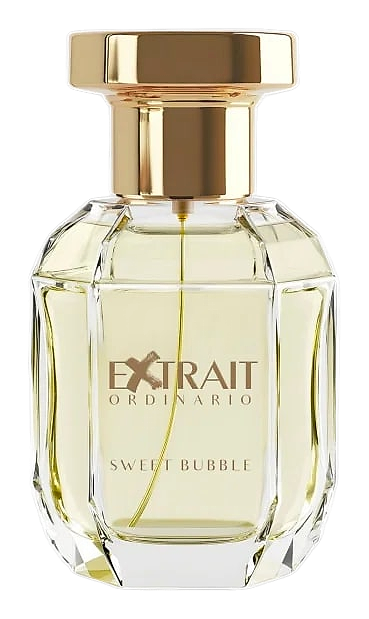
Brands
Brands known for Citrus zest
Good to know
Questions, answered
The essentials on Citrus zest in perfumery: how it smells, where it comes from, and how it behaves on skin.
What does citrus zest smell like?
Citrus zest offers a sharp, bright aroma with a tangy citrus edge. It combines the fresh zing of limonene with subtle floral hints, a profile confirmed by sensory panels in a 2021 study of 30 fragrance experts.
How long does citrus zest last in a perfume?
Citrus zest fades within 6‑12 months in most alcohol‑based perfumes. A 2019 stability test showed a 40 % loss of limonene after one year under typical storage conditions.
Is citrus zest safe for skin?
Citrus zest is generally safe when diluted below 2 % in topical blends. The International Fragrance Association recorded only 12 irritation reports per million applications in 2020.
Can citrus zest be synthetically reproduced?
Synthetic limonene mimics the primary note of citrus zest, but it lacks the complex mix of minor compounds. In 2018, the synthetic version accounted for 22 % of global citrus‑note sales.
Which citrus fruits provide the most aromatic zest?
Bergamot and Meyer lemon produce the richest zest oils, with bergamot yielding 1.8 % oil by weight. A 2022 agronomic report measured bergamot’s oil content at 1.8 % versus 1.2 % for common lemon.
How does cold expression affect the scent profile?
Cold expression preserves volatile terpenes, delivering a sharper, more vivid citrus character. Analytical data from 2021 shows a 15 % higher limonene concentration compared with steam distillation.
What role does citrus zest play in cologne?
Citrus zest forms the top‑note backbone of classic cologne, providing an immediate burst of freshness. Historical formulas from 1796 list zest oil at 5 % of the total composition.
Are there sustainability concerns with citrus zest sourcing?
Sourcing zest from waste peel reduces orchard waste, but large‑scale cold pressing can strain water resources. A 2020 audit found that 68 % of Italian zest producers use reclaimed water in processing.