
The Story
Why it exists.
The beginning
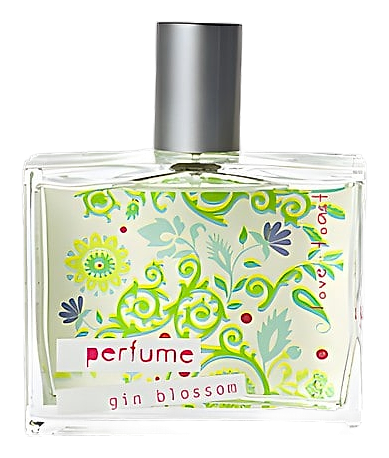
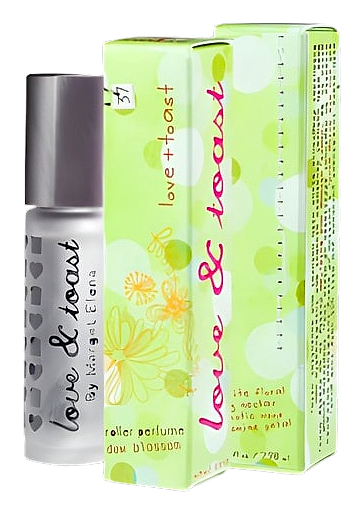
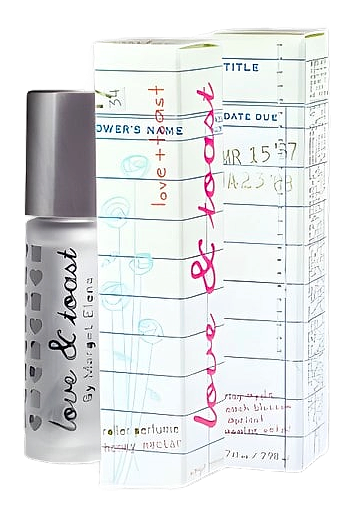
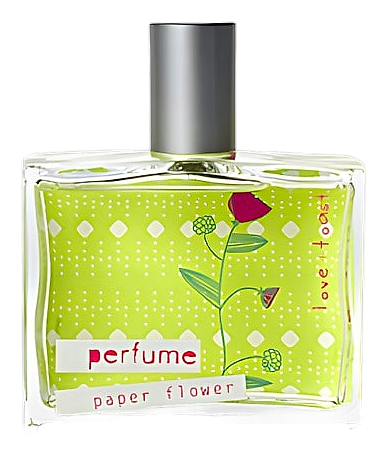
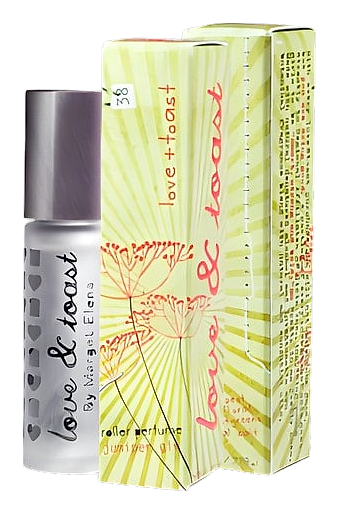
Margot Elena named it for the botanical spirit itself, juniper berry, citrus peel, the faint mineral trace of what settles at the bottom of a glass. The idea was elegant in its restraint: a scent that smelled like the air above a drink, not the drink itself. Cooler. Less obvious. Still unmistakably botanical. The fragrance invites you to imagine the moment just before the first sip, when the glass has been poured and the aromas rise in their most elusive form. It's the promise of something crisp and aromatic without being literal, without demanding you taste anything to understand what it means to be fresh and green and clean.
What makes Juniper Gin work is what it leaves out. Traditional gin fragrances lean on juniper berry as a statement, medicinal, sharp, unapologetic. Here, the botanical takes a back seat to the mineral and the green. Salt threads through the entire composition like a reminder that this isn't a forest, it's a coast. The white blossoms don't arrive to soften it into submission; they arrive to remind you that green can also be delicate. It's the difference between a spirit and the feeling you have after drinking one.
The evolution
The opening is all citrus zest cutting through green notes, bright, almost sharp, like the first sip of something cold and botanical. The citrus carries the initial impression, lively and immediate, before the green settles and the salt becomes more present. The white blossoms begin their slow emergence, adding a floral dimension that doesn't sweeten but rather complicates. What develops is mineral and floral in equal measure, the salt grounding everything while the blossoms drift at the edges. The drydown is quiet: green fading to something softer, a hint of marine that reads less like fragrance and more like the memory of fresh air. On fabric, it lingers as a ghost of itself, barely there, then suddenly present when you move.
Cultural impact
Smaller houses were challenging what a fragrance could smell like and where its inspiration could come from, exploring territories that mainstream perfumery had largely ignored. Cocktail and culinary notes began appearing as legitimate subjects, finding their way into creative compositions that appealed to those seeking something different. The fragrance stands apart from more expensive bottles, offering a distinctive botanical character that continues to work and surprise. It remains a quiet choice, the kind of scent you wear for yourself rather than for recognition, a secret among the louder options in any collection.