The Story
Why it exists.
The beginning
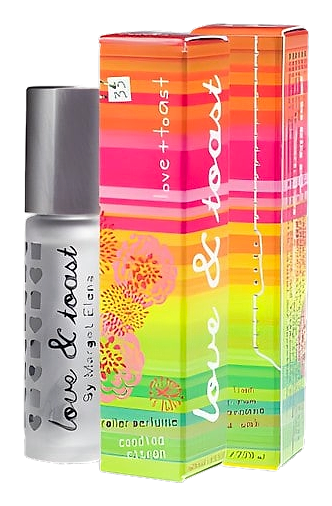
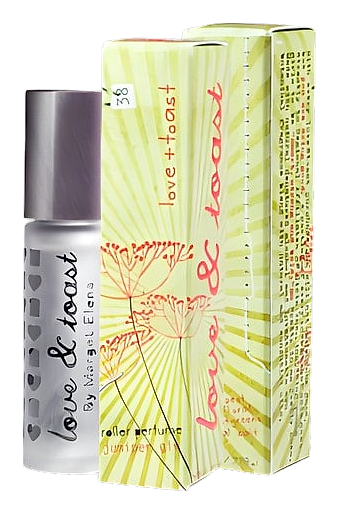
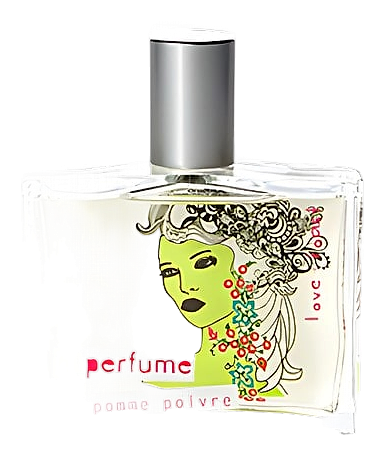
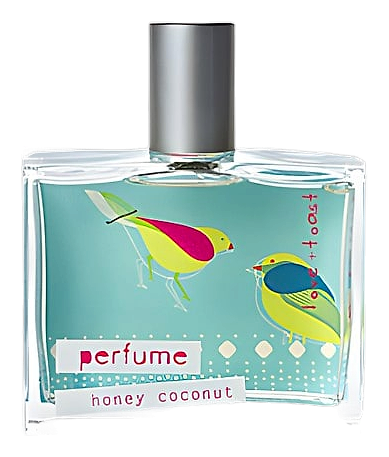
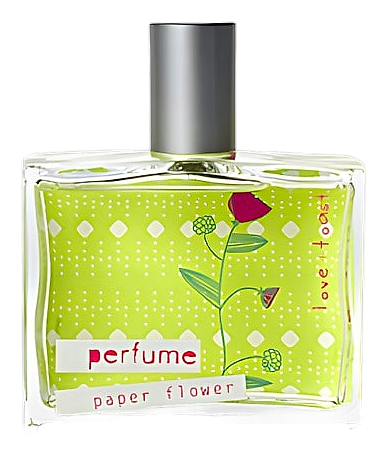
Margot Elena created Paper Flower around 2000, during the early niche fragrance moment when smaller houses were experimenting freely outside the mainstream. The concept was botanical and direct, a composition built around flowers that grow close to water, translated into something wearable and everyday rather than rarefied or precious. The name itself suggests both fragility and structure. Paper flowers hold their shape indefinitely; they don't wilt, they don't fade. Elena appears to have been interested in that tension, a fragrance that feels delicate and fresh but has a kind of permanence to it, built from materials that are inherently ephemeral.
What makes Paper Flower's structure interesting is the way it handles aquatic florals. Water lily typically acts as a binding agent in perfumery, holding brighter top notes to softer base materials. Here, it functions almost in reverse, dewberry provides the initial cool, watery lift, but water lily keeps the ylang-ylang from going fully tropical, filtering it through something cleaner and more translucent. The ylang-ylang percentage is the tell. In most compositions, it plays a supporting role, creamy warmth underneath jasmine or tuberose. In Paper Flower, it is the material.
The evolution
The opening arrives cool and close, dewberry's fruitiness immediately softened by water lily's watery quality. It reads more like a greenhouse in the early morning than a perfumery counter. No sharp citrus transition, no Bergamot moment. Just that clean, wet floral impression arriving fully formed. The ylang-ylang enters within minutes. This is not the skatty, indolic ylang-ylang of fougère or chypre bases. It arrives sweet, almost creamy, like the inside of a frangipani blossom warmed by afternoon sun. The composition doesn't fight this quality, it leans into it. Rose hovers underneath, present but restrained, offering structure without competition. By the second hour, the sweetness begins to settle rather than intensify. The tropical character softens into something warmer and more skin-adjacent, still floral, still distinctly ylang-ylang, but no longer announcing itself. The dewberry fades. The water lily retreats.
Cultural impact
Paper Flower sits comfortably within the feminine floral category that defined the 2000s niche landscape, alongside compositions like Hanae Mori Butterfly and Calvin Klein Euphoria that explored tropical florals and fruity accords. What distinguishes this release is its willingness to let ylang-ylang dominate rather than support, an unusual choice for a mainstream-adjacent niche composition of that era. The fragrance has maintained a quiet presence in the Love & Toast lineup without becoming a cult piece, appealing to wearers who want something floral and distinctive without heavy projection.