
The Story
Why it exists.
The beginning
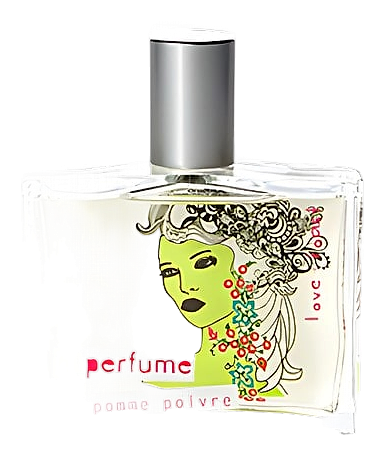
Margot Elena created Pomme Poivre in 2000, a year when niche perfumery was finding its footing and consumers were ready to look beyond the mainstream. The name alone tells you something: Pomme Poivre, French for apple pepper, sets up an expectation. The composition doesn't deliver it. There's no apple in the bottle. No pepper either. What sits instead is a quiet study in vanilla orchid, white jasmine, ebony wood, and a white musk that settles close to the skin. The name is a metaphor, not a recipe. That's the first thing you notice about Pomme Poivre, it's not doing what you expect.
Five notes. That's the full inventory. Ebony wood, white musk, jasmine, vanilla, orchid. In a market where fragrance pyramids routinely stretch to fifteen ingredients, that constraint is its own statement. The vanilla orchid isn't a supporting actor here, it opens and closes the show, flanked by jasmine's creamy white floral and ebony wood's smooth, almost lacquered warmth. The white musk does what white musk always does: binds everything together, makes it skin-adjacent, keeps it intimate. The effect is warm without being heavy, sweet without being sugary, woody without being austere. A small composition that behaves like a larger one.
The evolution
Pomme Poivre opens like a question mark. The first thirty seconds register as sharp, synthetic, discordant, a brief masculine cologne moment that has surprised more than a few wearers. Some reviewers describe genuinely worrying it will be a scrubber upon first application. Not everyone makes it past this point. Those who do are rewarded. Within two to three minutes, the synthetic edge dissolves and something warm and comforting emerges in its place. The white florals, jasmine and orchid, soften the entry, bringing cream and a slight indolic sweetness that defines the heart phase. By the time the drydown arrives, ebony wood and vanilla have taken over. The musk settles close to the skin. The sillage becomes intimate, projection moderate, present to the wearer and anyone standing near, but not announcing itself across a room. Cooler weather extends the wear; warmth tends to pull the vanilla forward and speed the fade. The fragrance has developed a loyal following among enthusiasts who appreciate its unconventional opening and gentle evolution.
Cultural impact
Pomme Poivre arrived in 2000 as part of a broader movement toward accessible niche fragrances, when consumers began seeking alternatives to mainstream designer offerings. Love & Toast built its identity around food and drink-inspired compositions at a time when such an approach was still novel, treating culinary ingredients like vanilla, apple, and pepper as serious perfumery subjects rather than novelty gimmicks. The brand democratized the niche experience, making unconventional ingredient combinations available at drugstore price points. Pomme Poivre represented a bridge between the cozy, familiar quality of gourmand fragrances and something with slightly more edge, using pepper to add complexity to its sweet warmth.