




    Home/Brands/Love & Toast
    Brand Profile

    Love & Toast

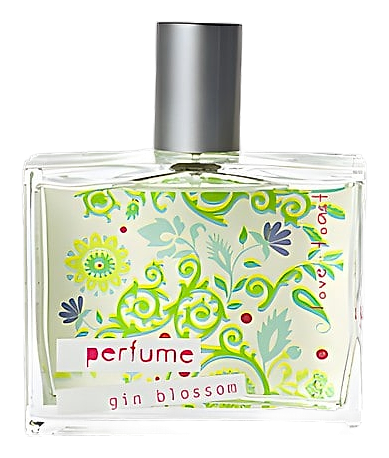
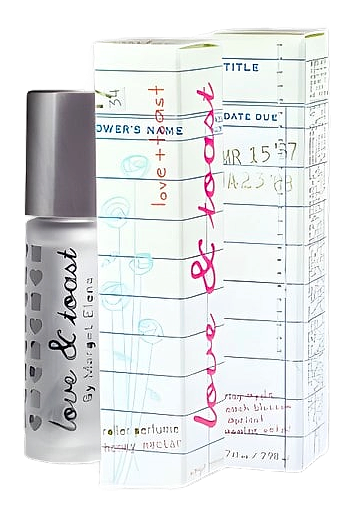
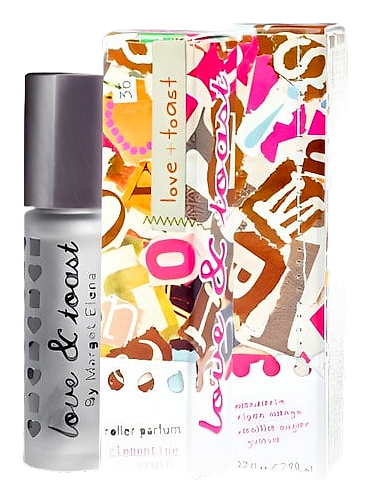
    Love & Toast is a fragrance house that emerged in the niche perfume landscape with a collection of scent compositions released around the turn of the millennium. The brand is recognized for its playful yet sophisticated approach to fragrance, with offerings that span fruit-forward, floral, and aromatic categories. Among its most discussed releases are Honey Nectar, Mandarin Tea, and the gin-inspired Juniper Gin and Gin Blossom, which demonstrate an early interest in blending culinary and cocktail-inspired notes within perfumery. The brand's portfolio also includes softer compositions like Dew Blossom and Paper Flower, suggesting a versatility that appeals to both adventurous and traditional fragrance enthusiasts. While specific details about the house's founding and current status remain limited in publicly available sources, Love & Toast carved out a distinct position in the early 2000s fragrance market with its accessible yet distinctive scent stories.

    United StatesEst. 2000
    9
    Fragrances
    3.9
    Avg rating
    Shop the collection
    SignatureHoney Coconut
    Honey Coconut
    Community
    3.9
    Average rating
    across 9 fragrances
    Collection
    9
    Fragrances and counting
    Heritage
    2000
    Founded in United States

    Heritage

    A house, in its own words

    The available evidence suggests Love & Toast released its initial collection of fragrances around 2000, positioning the brand within the late-era niche fragrance movement that gained momentum during that period. The year 2000 marked a significant moment in perfume culture, as consumers began seeking alternatives to mainstream designer offerings and exploring smaller houses with more experimental approaches. Love & Toast entered this landscape with a portfolio that included roughly ten distinct fragrance compositions, spanning what appears to be a single product line rather than multiple collections released over time. The specific circumstances of the brand's creation, including founder identities, geographic origin, and distribution channels, remain undocumented in the accessible sources reviewed. It is unclear whether Love & Toast operated as an independent entity or as a creative division within a larger fragrance company. The brand's early 2000s launch window places it alongside other niche houses that sought to democratize perfumery by offering distinctive scents at accessible price points, though without verified commercial data, the brand's market performance and longevity cannot be confirmed. The fragrance names themselves suggest an American sensibility, with references to gin, honey, grapefruit, and citrus that align with the culinary-inspired fragrance trends of that era.

    Love & Toast's approach to fragrance creation appears rooted in the accessibility and everyday joy philosophy suggested by the brand name. The combination of romantic imagery (love) with the casual warmth of toast suggests an intent to bring fragrance into daily life rather than reserving it for special occasions. The scent names reveal a philosophy that draws inspiration from food, drink, and nature, treating ingredients like honey, coconut, mandarin, and juniper as worthy subjects for perfumery. This culinary-adjacent approach was gaining traction in the late 1990s and early 2000s as fragrance creators sought to move beyond traditional floral and oriental structures. The gin-inspired fragrances (Juniper Gin, Gin Blossom) indicate a willingness to experiment with spirits and mixology as fragrance territories, while fruit-focused offerings like Sugar Grapefruit and Persimmon Plum suggest an appeal to consumers seeking freshness and immediacy in their scents. The brand seems to have operated on the principle that fragrance should be approachable, narrative-driven, and connected to sensory pleasures outside the perfume world. Without confirmed founder statements or brand manifestos, the precise creative vision remains interpretive, based primarily on the thematic threads visible across the fragrance lineup.

    2000
    Love & Toast fragrance collection released, including ten scents such as Juniper Gin, Honey Nectar, Mandarin Tea, and Sugar Grapefruit
    2000
    Gin-inspired fragrances Juniper Gin and Gin Blossom launched as part of the initial portfolio
    2000
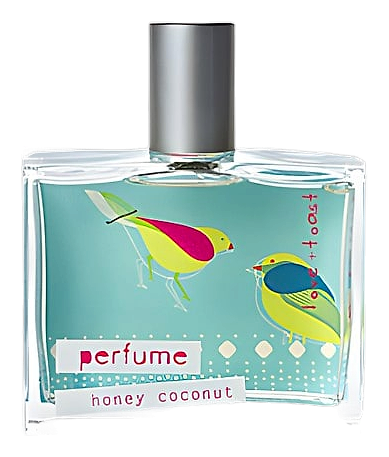
    Honey-centric fragrance Honey Nectar introduced, alongside Honey Coconut
    2000
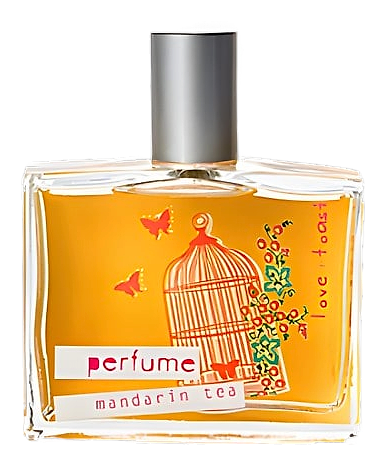
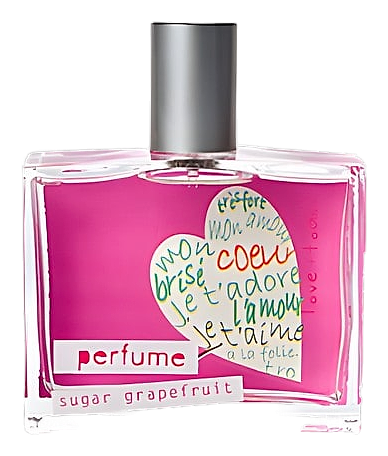
    Citrus and tea-inspired offerings Mandarin Tea and Sugar Grapefruit added to the collection
    2000
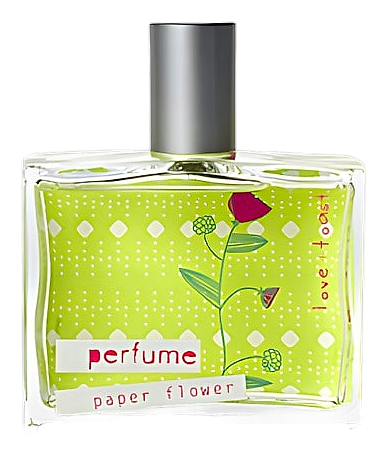
    Floral and fruit fragrances Dew Blossom, Paper Flower, and Persimmon Plum complete the initial lineup
    2000
    Pomme Poivre released, incorporating pepper and apple notes within the portfolio

    The noses

    Perfumers behind the house

    Did you know?

    Interesting facts

    01

    Love & Toast released approximately ten fragrances in a single wave around 2000, suggesting either a curated collection designed to launch simultaneously or limited documented releases from the brand

    02

    The brand produced two gin-inspired fragrances (Juniper Gin and Gin Blossom), indicating an early interest in cocktail and spirits notes that would later become a significant trend in niche perfumery

    03

    The Honey Nectar and Honey Coconut pair demonstrates the brand's approach to offering variations on complementary ingredients within the same product line

    04

    The combination of food-inspired names with delicate floral references (like Paper Flower and Dew Blossom) suggests a dual appeal to both culinary fragrance enthusiasts and traditional perfume lovers