The Story
Why it exists.
The beginning
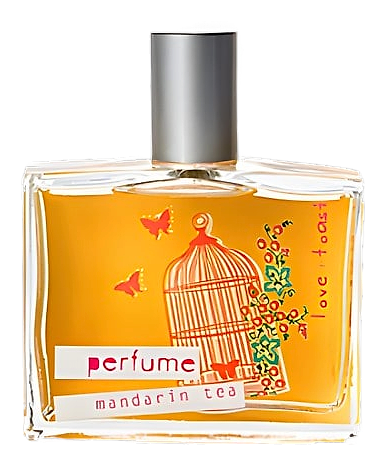
Margot Elena designed Mandarin Tea around a singular premise: what if the morning cuppa was the fragrance, not just the mood? Launched in 2000, it arrived at a moment when niche perfumery was finding its footing outside the luxury mainstream, when smaller houses could take risks on ingredients that larger brands wouldn't touch. The concept itself was modest, almost domestic. But the execution reached for something stranger, something that smelled less like a gift shop and more like an actual apothecary shelf. The rooibos, African red bush, not the green or black teas more common in perfumery, was never going to be a safe choice. It carries a faintly smoky, slightly medicinal character that most compositions either strip out or amplify into raunchiness. Elena threaded it between two walls of blossom instead: neroli above, orange blossom closer.
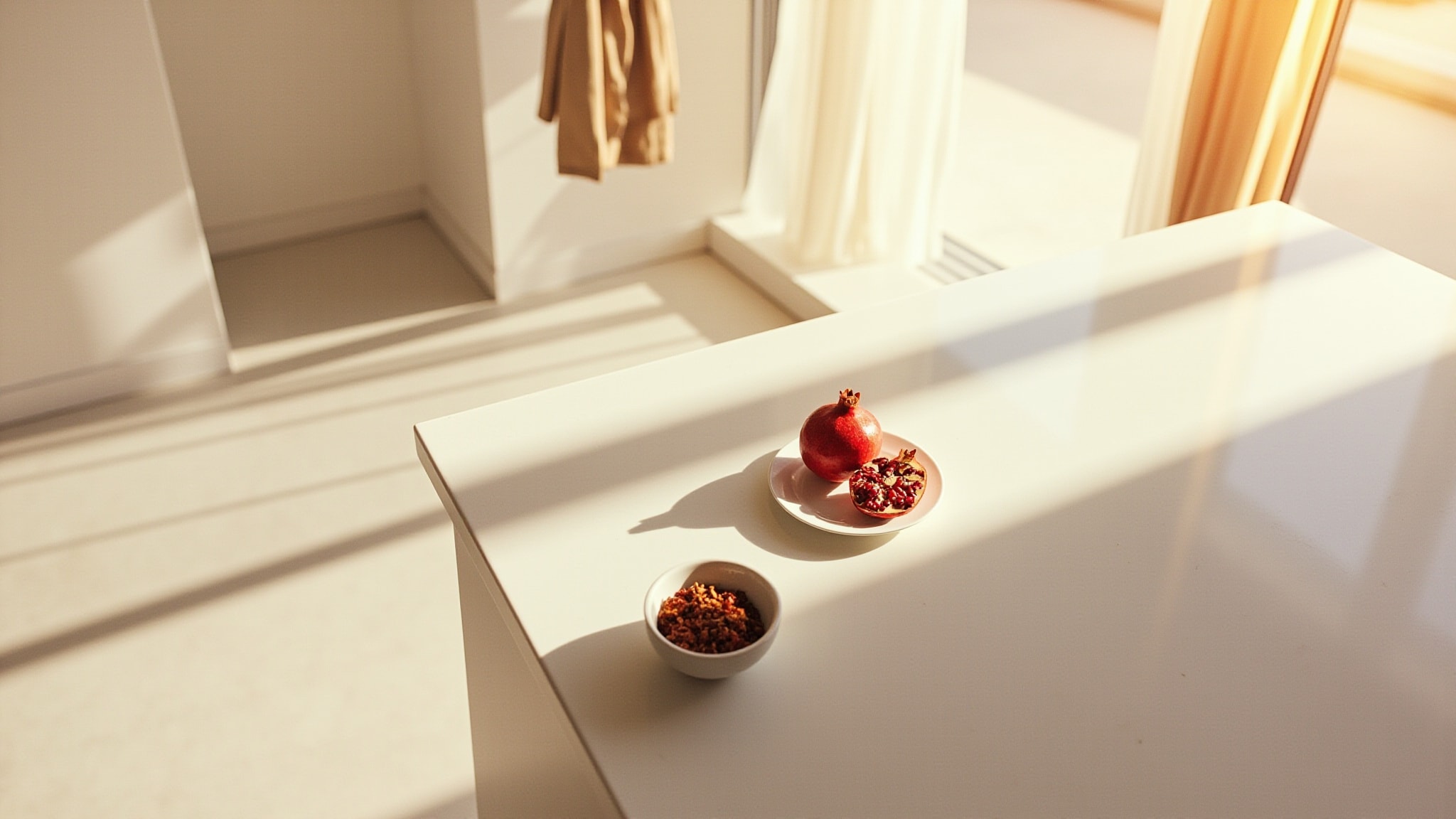
Rooibos is the outlier here, and it's not an accident. In perfumery, tea notes usually mean green tea or black tea, familiar, softened, domesticated. African rooibos brings something different: an herbal smokiness that borders on medicinal, with a faint sweetness underneath that surfaces only in the drydown. Pairing it with neroli, the same bitter-orange blossom, just steam-distilled rather than solvent-extracted, creates a strange resonance. The floral and the herbal come from adjacent parts of the same plant. They're having a conversation, not competing. Pomegranate in the heart amplifies the fruity side without turning the composition sweet.
The evolution
The opening announces itself immediately. Neroli and orange blossom arrive together, bright and bitter, a sharp citrus blossom that reads more like the smell of orange zest than any floral arrangement. For the first ten to fifteen minutes, the rooibos is present but subdued, waiting its turn. Then it surfaces. The tea doesn't bloom the way a floral does, it unfolds, quieter, more diffuse, carrying a faintly smoky, herbaceous warmth that sits underneath the citrus rather than replacing it. The pomegranate follows, lending a reddish, almost jam-like sweetness that keeps the composition from turning austere. As the florals fade, the rooibos becomes the backbone, woody, slightly medicinal, close to the skin. The drydown is intimate and herbal, more memory than statement. Most wearers report 1-3 hours of wear before the composition dissolves entirely.
Cultural impact
Love & Toast launched Mandarin Tea in 2000, a period when the niche fragrance landscape was still finding its identity outside the luxury mainstream. The rooibos-forward composition was unusual for its era, tea notes existed, but red bush was virtually unseen in Western perfumery. What the fragrance offered was different from the warm vanillas and fruity florals dominating the market: something herbal, smoky, and quietly challenging. It didn't try to dominate a room. It invited someone close enough to notice.