The Story
Why it exists.
The beginning
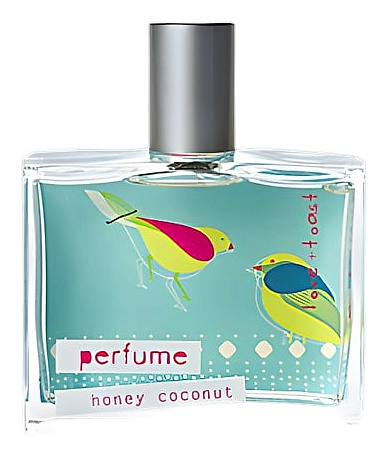
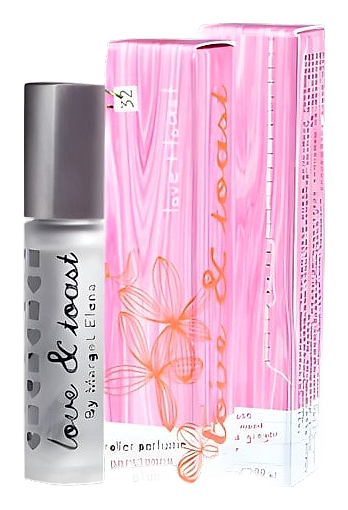
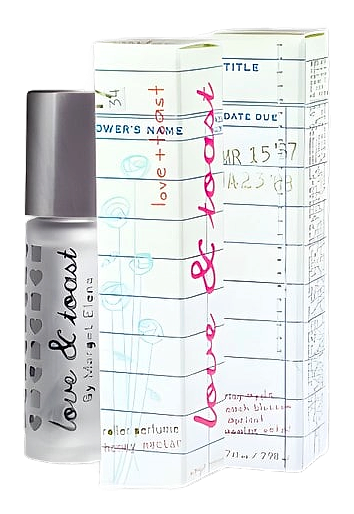
Honey Nectar is built around an idea of abundance: the sweetness you encounter in fruit stands, in blossoms heavy with nectar, in the particular warmth of late-spring air. This wasn't a fragrance meant to announce itself. It was meant to belong to the people who wear it, to become part of their routine rather than an occasion unto itself. It entered a niche fragrance landscape that was still finding its voice, and found its own instead. The composition centers on everyday moments, on the scents you encounter without meaning to, the ones that feel familiar before you've even identified them. There's a quiet confidence in how it works, it doesn't ask for attention, but those who catch it understand immediately that something sweet and intentional is happening on the skin.
What makes Honey Nectar unusual is its refusal to complicate itself. The note pyramid is straightforward: red apple opens, apricot and peach blossom carry the heart, jasmine closes, yet the result doesn't read as simple. A buttery note running through the accords gives the sweetness a creaminess that stops it from becoming sharp or fleeting. Apricot is the thread that ties everything together, present from the first spray and remaining noticeable as the scent develops. The fruit doesn't vanish after the opening act the way it often does in fruity-florals. Here, it stays.
The evolution
The opening arrives quickly: a burst of cool, crisp apple that reads almost tart before the warmth catches up. Within minutes, apricot takes the lead, not the preserved or artificial kind, but the soft, ripe fruit you smell at peak season. Peach blossom adds a floral layer that keeps the fruit from going jam-like, a necessary counterweight. The jasmine in the base is the quiet anchor. It doesn't announce itself. It shows up in the final hour, a gentle floral warmth against skin, and the sweetness mellows into something that feels closer and more personal as the wear continues. The sillage stays moderate throughout, wearing near the skin rather than projecting outward, which suits the fragrance's low-key character.
Cultural impact
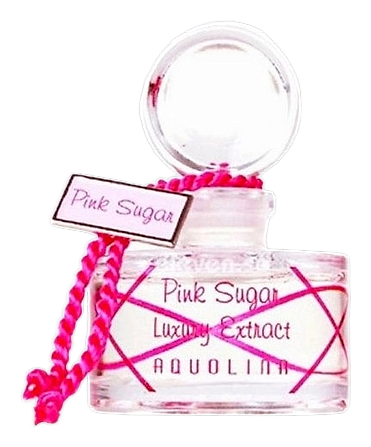
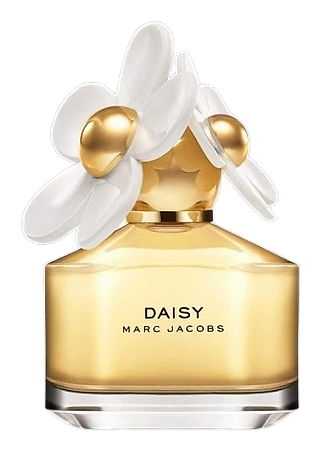
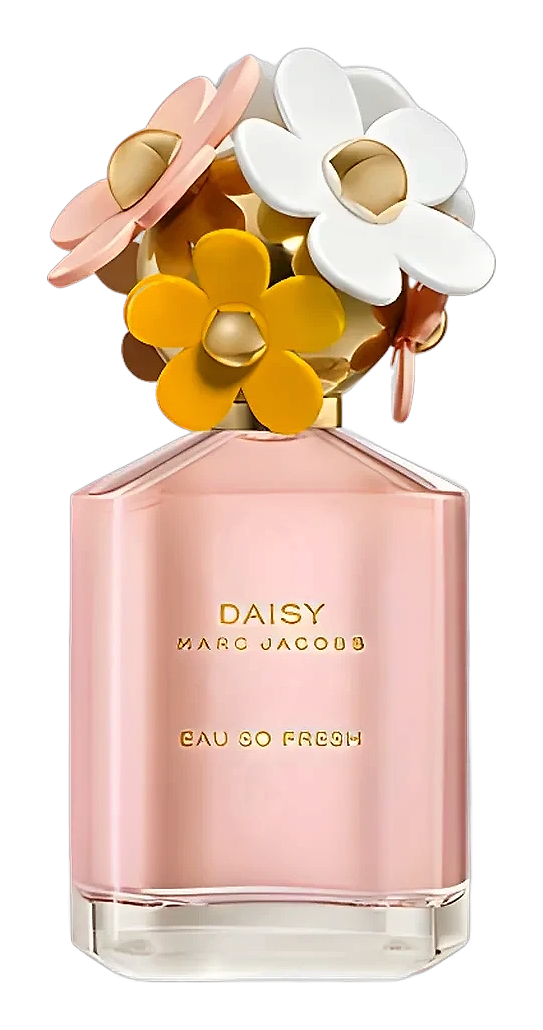
Honey Nectar occupies a quiet corner of the niche fragrance landscape, the era when smaller fragrance houses began offering an alternative to mainstream designer offerings. Its fruity-floral profile aligns it with compositions like Marc Jacobs Daisy and Aquolina Pink Sugar. The small 8 ml roller format, still available, reflects the brand's practical philosophy: fragrance as something you carry with you, not something you save. It's the kind of scent that works for everyday wear without feeling ordinary.
The House
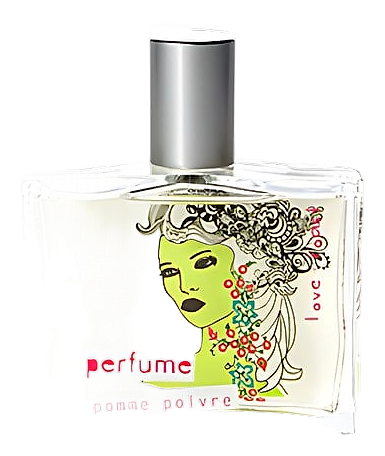
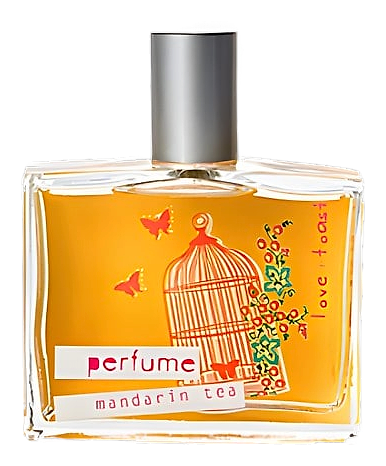
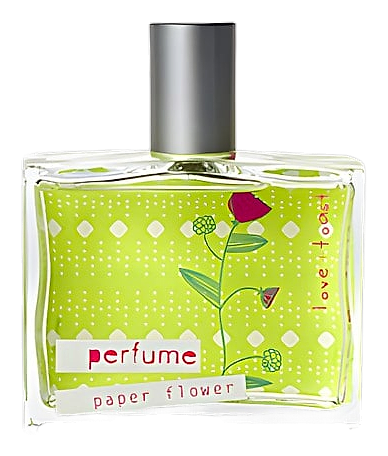
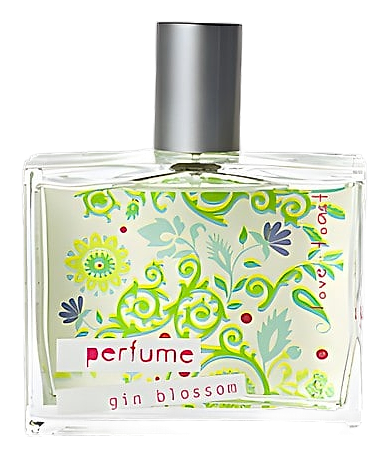
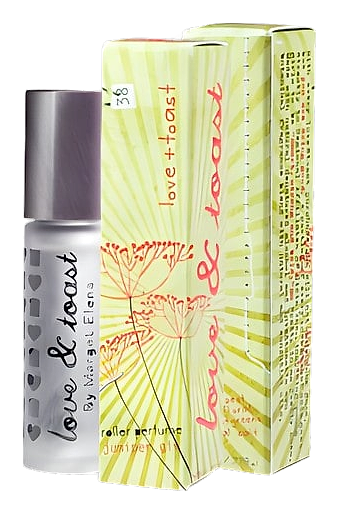
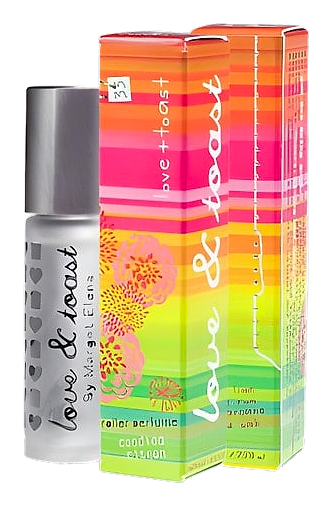
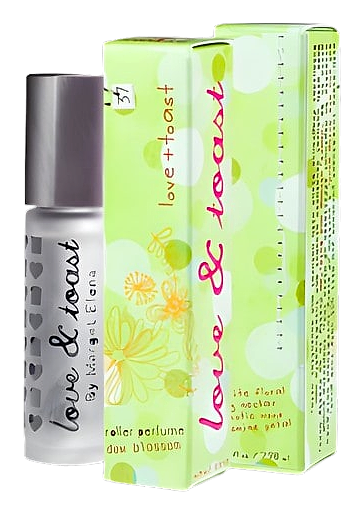
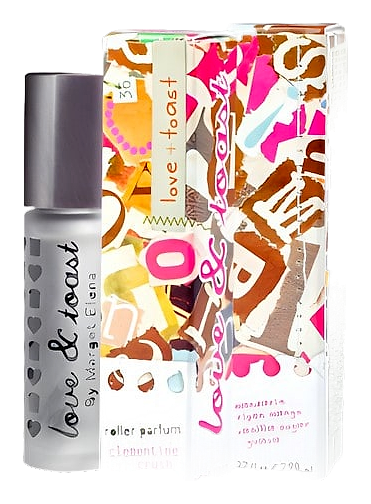
Love & ToastLove & Toast is a fragrance house that emerged in the niche perfume landscape with a collection of scent compositions released around the turn of the millennium. The brand is recognized for its playful yet sophisticated approach to fragrance, with offerings that span fruit-forward, floral, and aromatic categories. Among its most discussed releases are Honey Nectar, Mandarin Tea, and the gin-inspired Juniper Gin and Gin Blossom, which demonstrate an early interest in blending culinary and cocktail-inspired notes within perfumery. The brand's portfolio also includes softer compositions like Dew Blossom and Paper Flower, suggesting a versatility that appeals to both adventurous and traditional fragrance enthusiasts. While specific details about the house's founding and current status remain limited in publicly available sources, Love & Toast carved out a distinct position in the early 2000s fragrance market with its accessible yet distinctive scent stories.
The Creator
Margot ElenaThe Elena aesthetic leans romantic and slightly offbeat. Her brands favor warm florals, creamy vanillas, and unexpected gourmand notes over the clean modern styles that dominated the 2000s.