
The Story
Why it exists.
The beginning
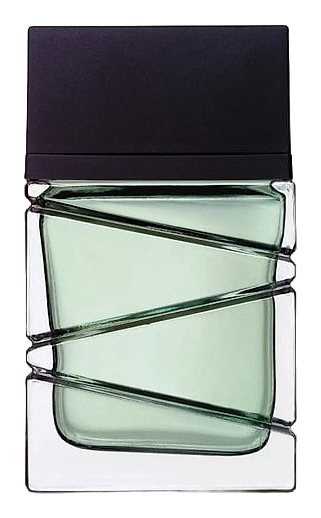
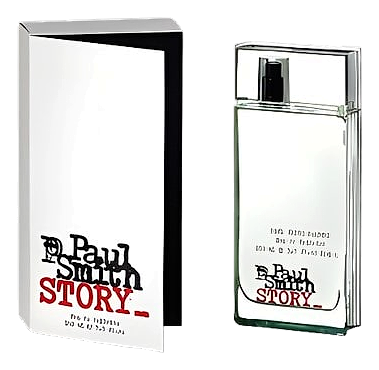
Paul Smith Story arrived in 2006 with a quiet proposition: what if a rose didn't apologize for being a rose? Nathalie Gracia-Cetto built it around the idea of a green rose, not the flower alone, but the whole unglamorous plant. Ivy. Vetiver. Leaves and roots. The rose petals arrive anyway, stubborn and present, softened by jasmine but never buried. It smells like a garden that hasn't been landscaped yet. The glass-book bottle reinforces the point: this fragrance wants to be read.
The structure is what separates this from the usual fresh-green territory. Most masculine fragrances with green notes lean into sharpness and call it a day. Story lets ivy open things with something almost vegetal, a green that doesn't apologize for growing. Then the rose petals arrive and shift the entire register. It's the combination that makes this unusual: jasmine deepens the floral heart, Tahitian vetiver adds an earthy, smoky undercurrent, and mineral amber keeps everything grounded with a faint ozonic warmth. Cedar bridges the heart and base, dry and warm. The pyramid has an unusual arc, floral-forward in a men's fragrance, but never fragile.
The evolution
The opening hits fresh and green, ivy leading with that slight vegetal bite. Grapefruit brightens, bergamot lifts, and for about twenty minutes there's a crisp clarity that feels almost athletic. Then the hand-off begins, grapefruit fades, bergamot softens, and the rose petals arrive while you're still expecting something sharper. Jasmine thickens the florals without sweetening them. The drydown belongs to vetiver. Earthy, smoky, and persistent, it's the note that outlives everything else. Cedar adds warmth underneath. Mineral amber brings a faint salt-rock warmth that stays close to skin for the remaining hours. The projection settles quickly. This is the kind of fragrance that exists at the end of the day, not when you're walking in.
Cultural impact
Paul Smith Story entered a perfume landscape in 2006 that was still firmly siloed into gender categories. Its insistence on green rose in a men's fragrance, without apology or excuse, was quietly radical. The fragrance didn't shout its difference, it simply existed as something different. This matters because it proved there was commercial space for fragrances that refused to choose between masculine and floral. The legacy shows up in how many contemporary gender-ambiguous scents cite green-floral structures as their foundation. Paul Smith Story didn't start a movement, but it kept a door open.