Santolina
Santolina, also called lavender cotton, is a silvery Mediterranean shrub whose aromatic flowers yield a sharp, herbal, camphor-tinged oil prized in fine perfumery for its crisp green character.
Character
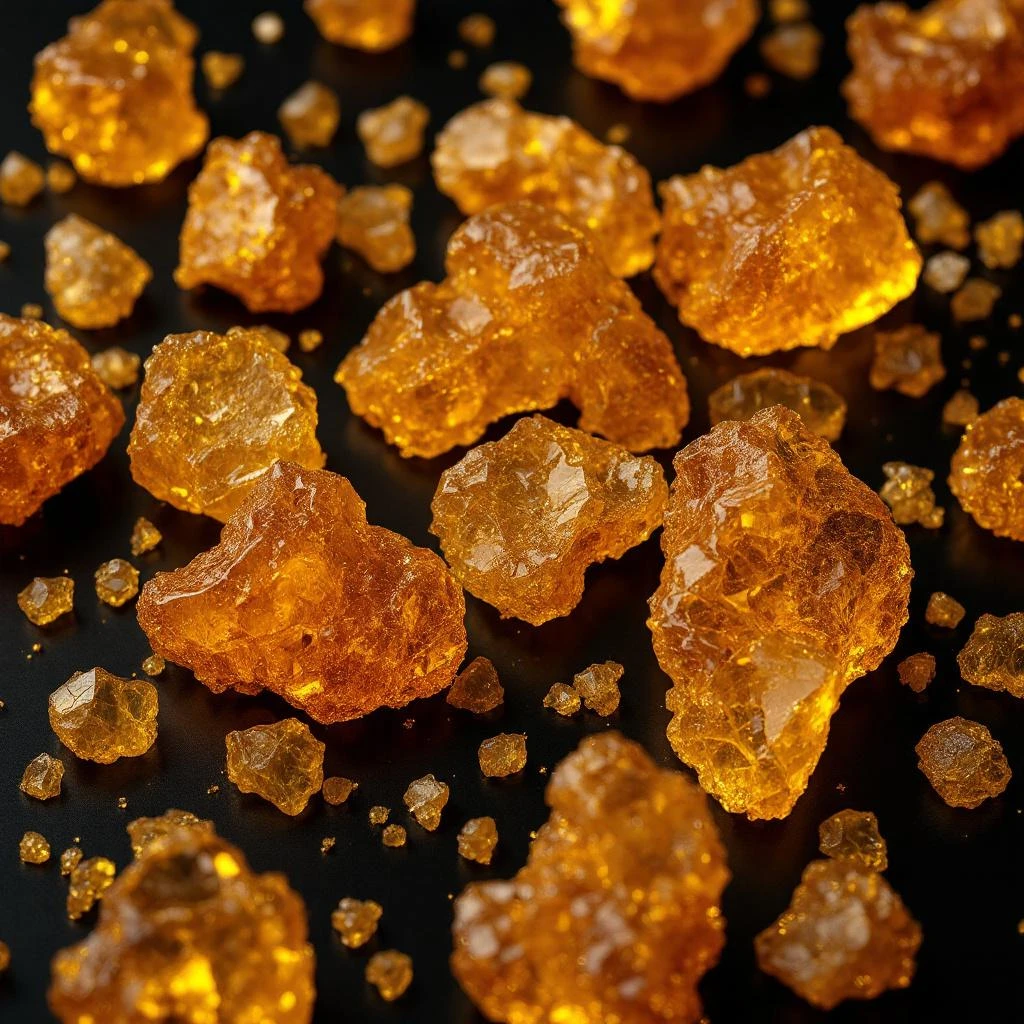
How it smells
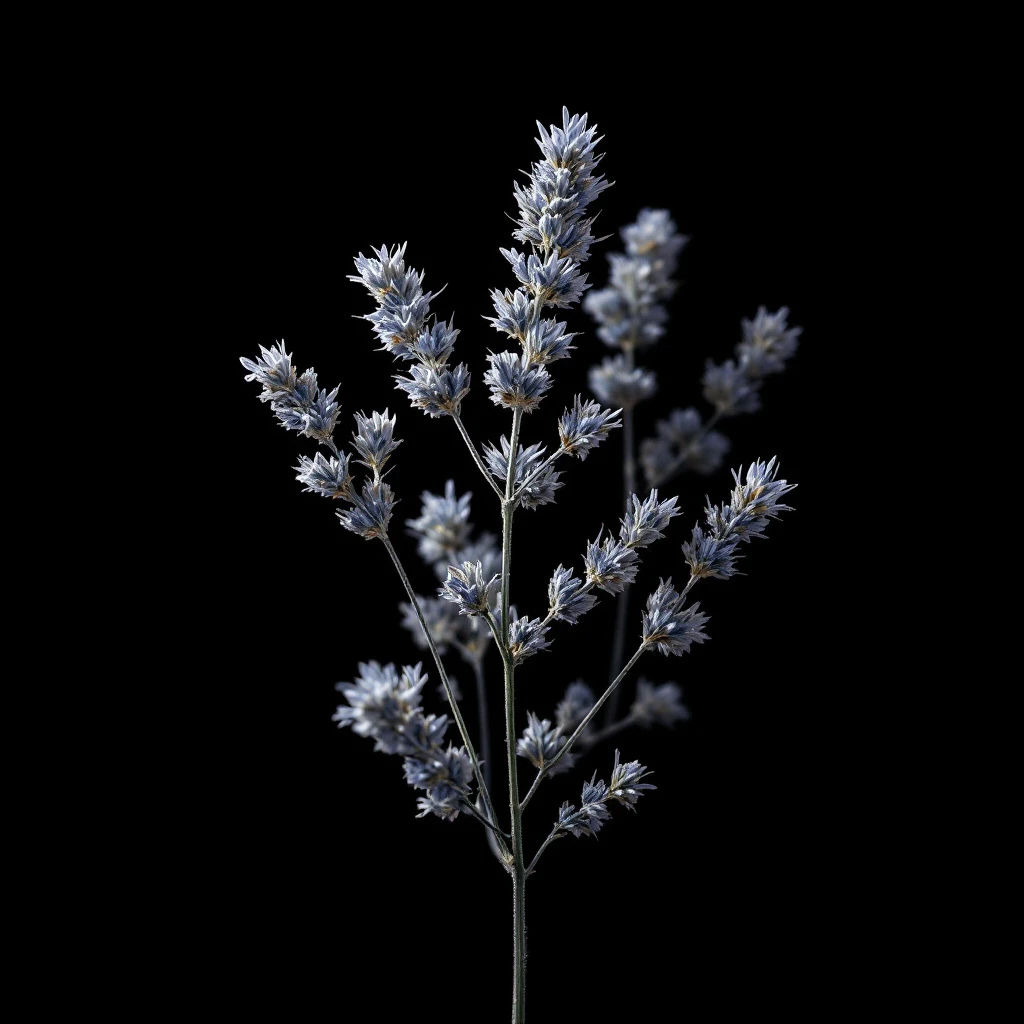
Mediterranean sun captured in silver foliage
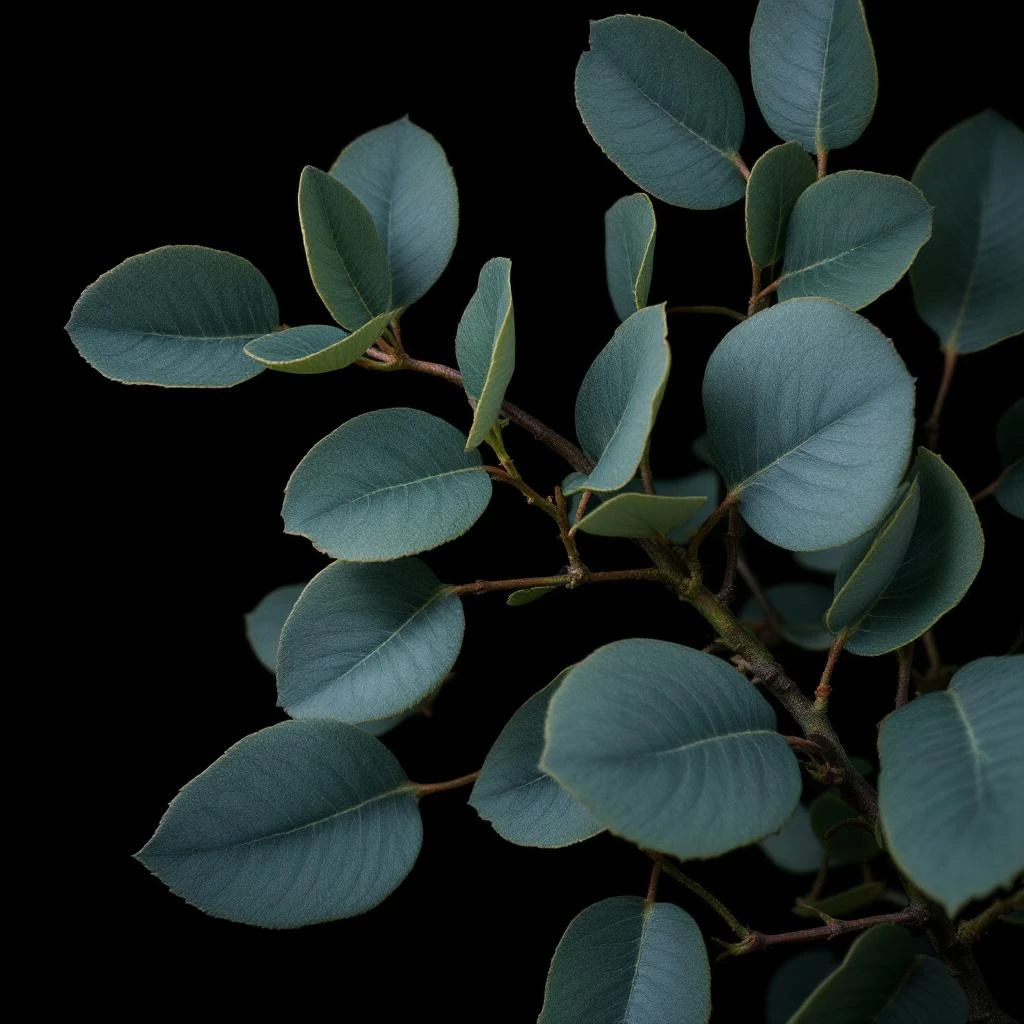
Despite its nickname lavender cotton, santolina belongs to the daisy family and contains no actual cotton, just dense woolly leaves that trap the sun's heat.





Origin
France
Santolina chamaecyparissus has scented Mediterranean gardens for over two thousand years. The Romans planted it in rows between vegetable beds, believing its pungent aroma repelled moths and weevils from stored grain.
By the Middle Ages, monastery herbalists across southern France, Spain, and Italy used santolina in wound salves and vermouth-style digestifs, documenting its medicinal virtues in texts like the Codex of Circa Instans. Nineteenth-century French perfumers, searching for natural alternatives to costly imported aromatics, began experimenting with santolina oil and introduced it to classical fougère compositions where its camphoraceous brightness complemented lavender and oakmoss.
The plant's resilience on sun-baked garrigue slopes made it a reliable domestic alternative to overseas botanicals. During the early 1900s, gas chromatographic studies confirmed santolina's complex chemistry, securing its place in the perfumer's palette as a unique green-aromatic modifier that bridges herbal and coniferous families.
Wears it best
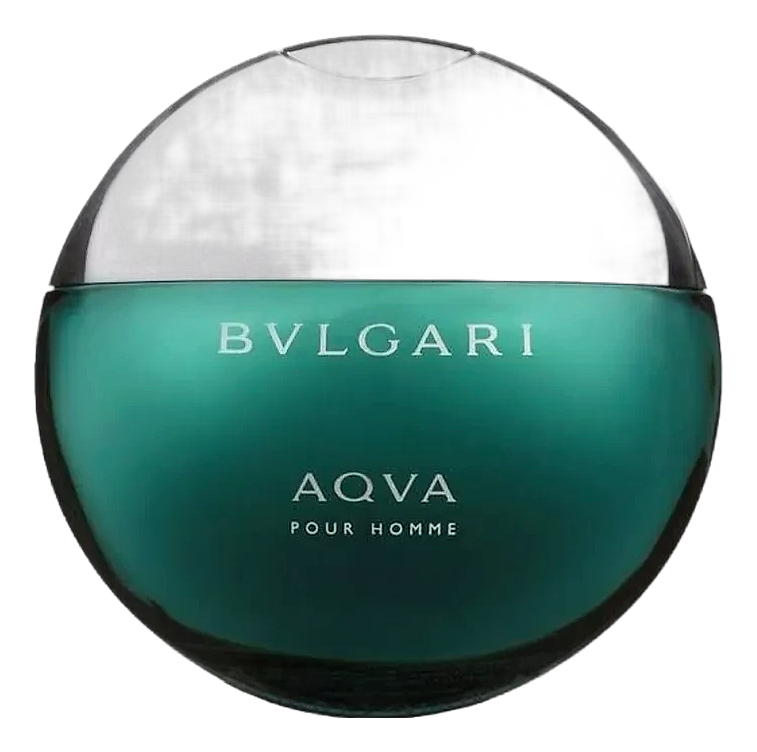
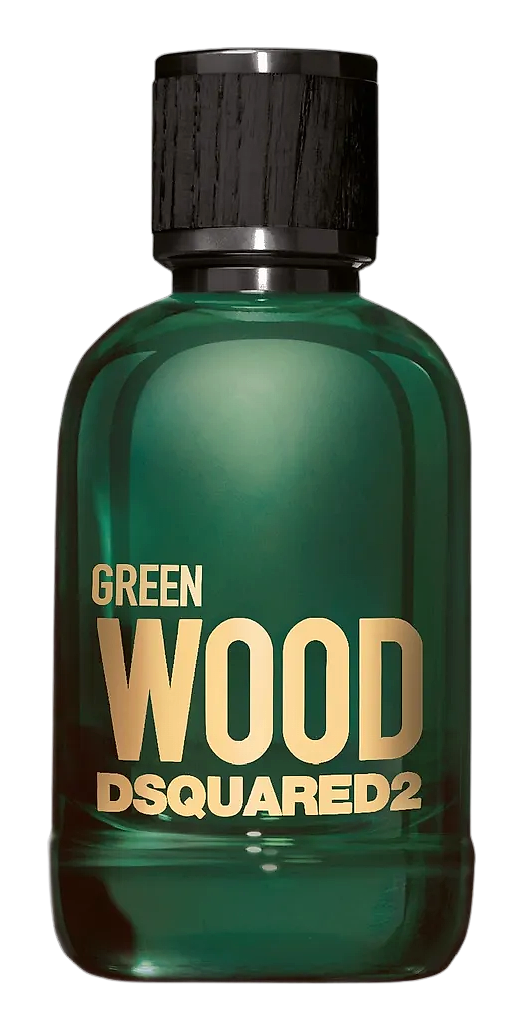
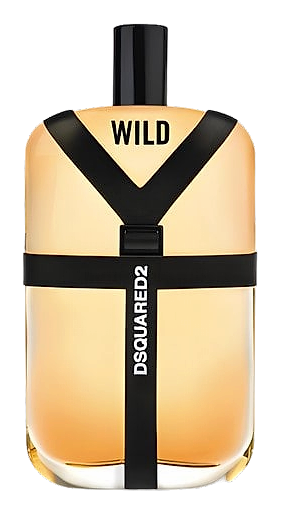
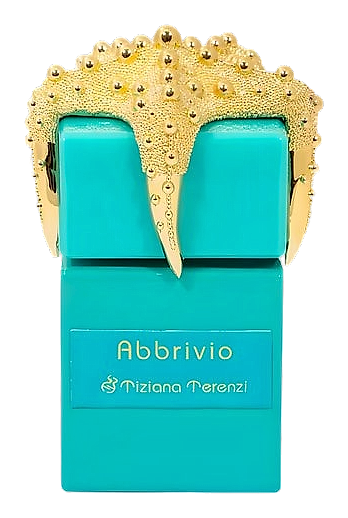
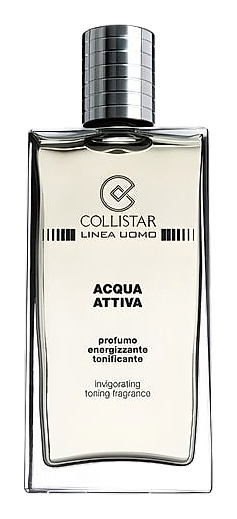
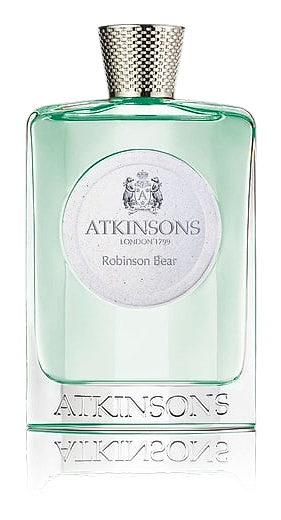
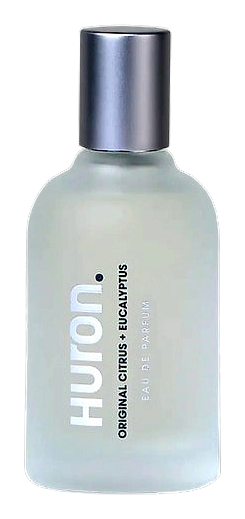
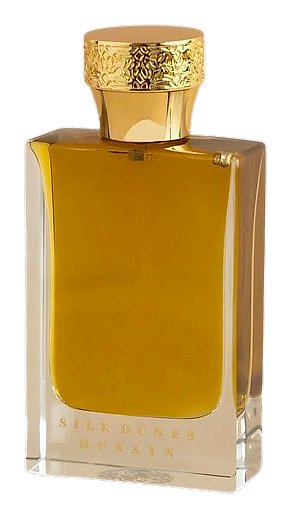
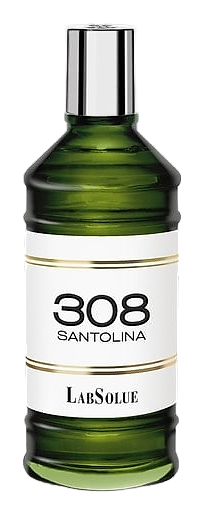
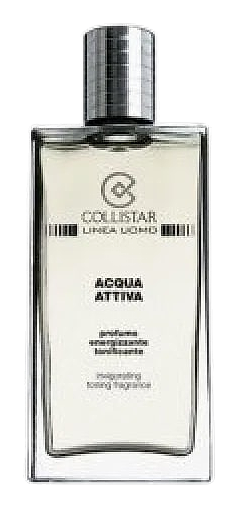
Fragrances featuring Santolina
Good to know
Questions, answered
The essentials on Santolina in perfumery: how it smells, where it comes from, and how it behaves on skin.
What does santolina smell like in perfume?
Santolina essential oil delivers a sharp, herbaceous aroma dominated by camphor and 1,8-cineole, giving it a cool, medicinal-green character reminiscent of rosemary crossed with eucalyptus and wormwood.
Is santolina the same as lavender?
No, despite the common name lavender cotton, santolina is a distinct species in the Asteraceae family. It is unrelated to true lavender (Lavandula) but shares some cooling, camphoraceous aromatic qualities.
Where does santolina grow naturally?
Santolina chamaecyparissus is native to the western Mediterranean, thriving on dry, rocky slopes from southern France and Spain through Italy and into North Africa at elevations below 1,000 meters.
Why do perfumers use santolina oil?
Perfumers value santolina oil for its intense green freshness and high camphor content, which lifts compositions and adds a distinctive Mediterranean herbal facet difficult to replicate with other materials.
Is santolina safe in fragrance?
Santolina oil is generally regarded as safe at standard perfumery concentrations, though its high camphor and thujone levels mean IFRA recommends usage limits to avoid skin sensitization.
What fragrance families feature santolina?
Santolina appears most often in aromatic fougère, herbal, and Mediterranean cologne compositions, where it bridges lavender top notes with mossy, resinous base accords.
Can santolina be grown for perfume production?
Yes, santolina is cultivated commercially in southern France and Spain specifically for essential oil production, with plants harvested once annually during the July to August flowering window.
How is santolina essential oil extracted?
Commercial santolina oil is produced by steam distillation of freshly cut flowering tops, yielding 0.8 to 1.5 percent oil by weight after roughly 90 minutes of distillation.