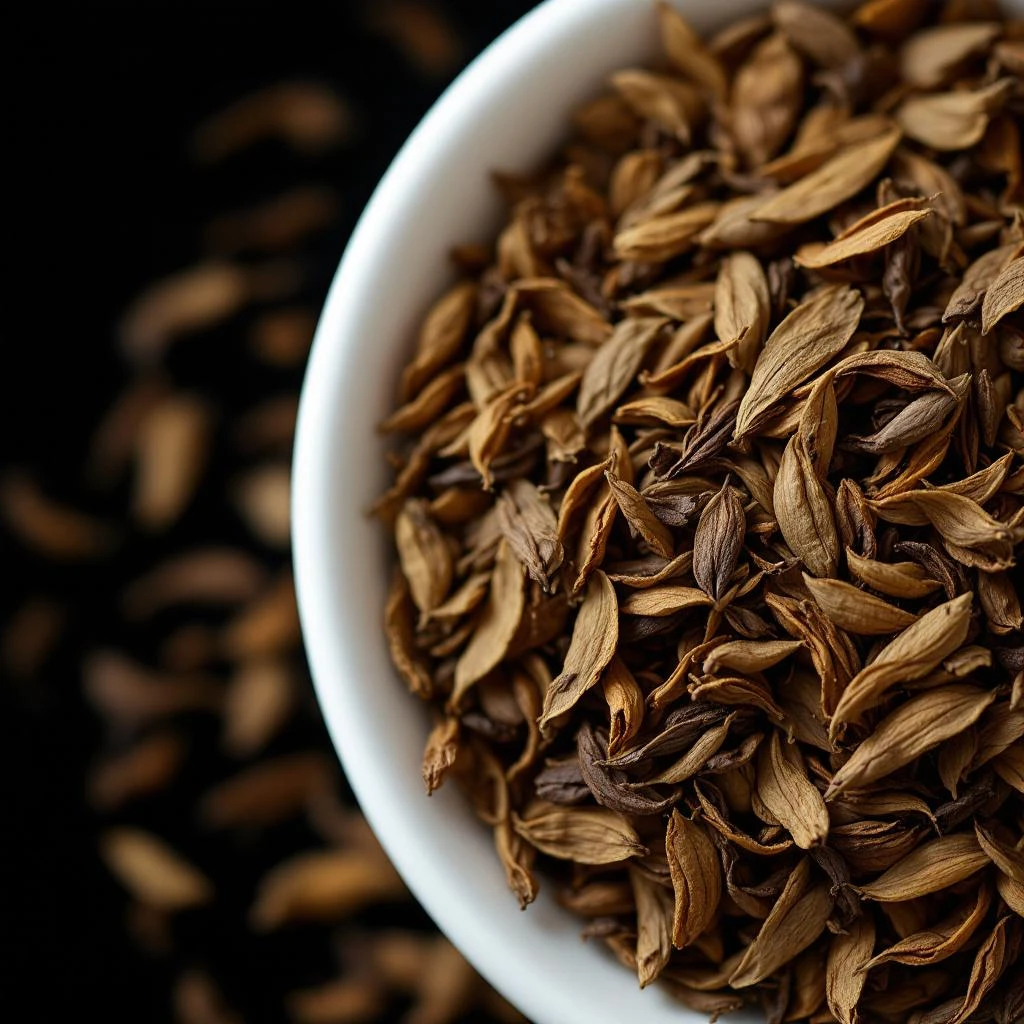
Neptune Grass
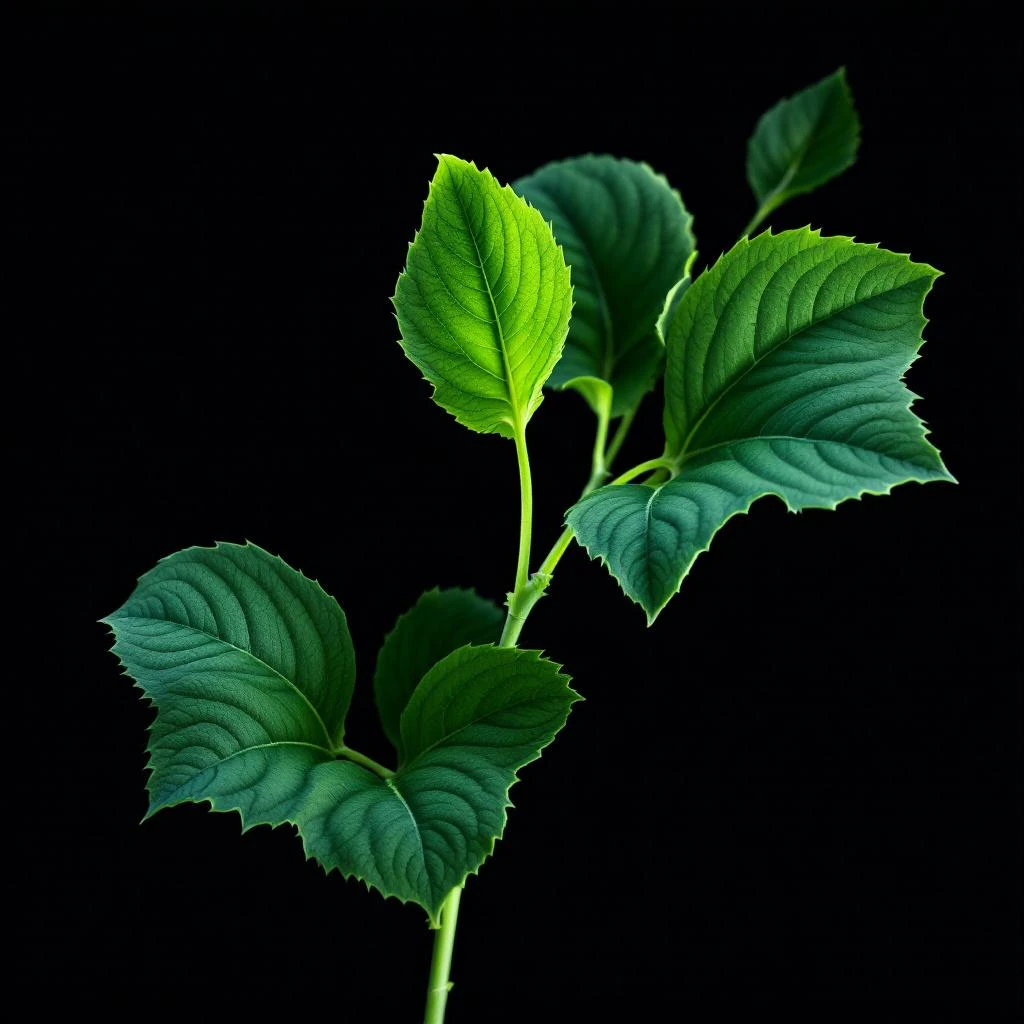
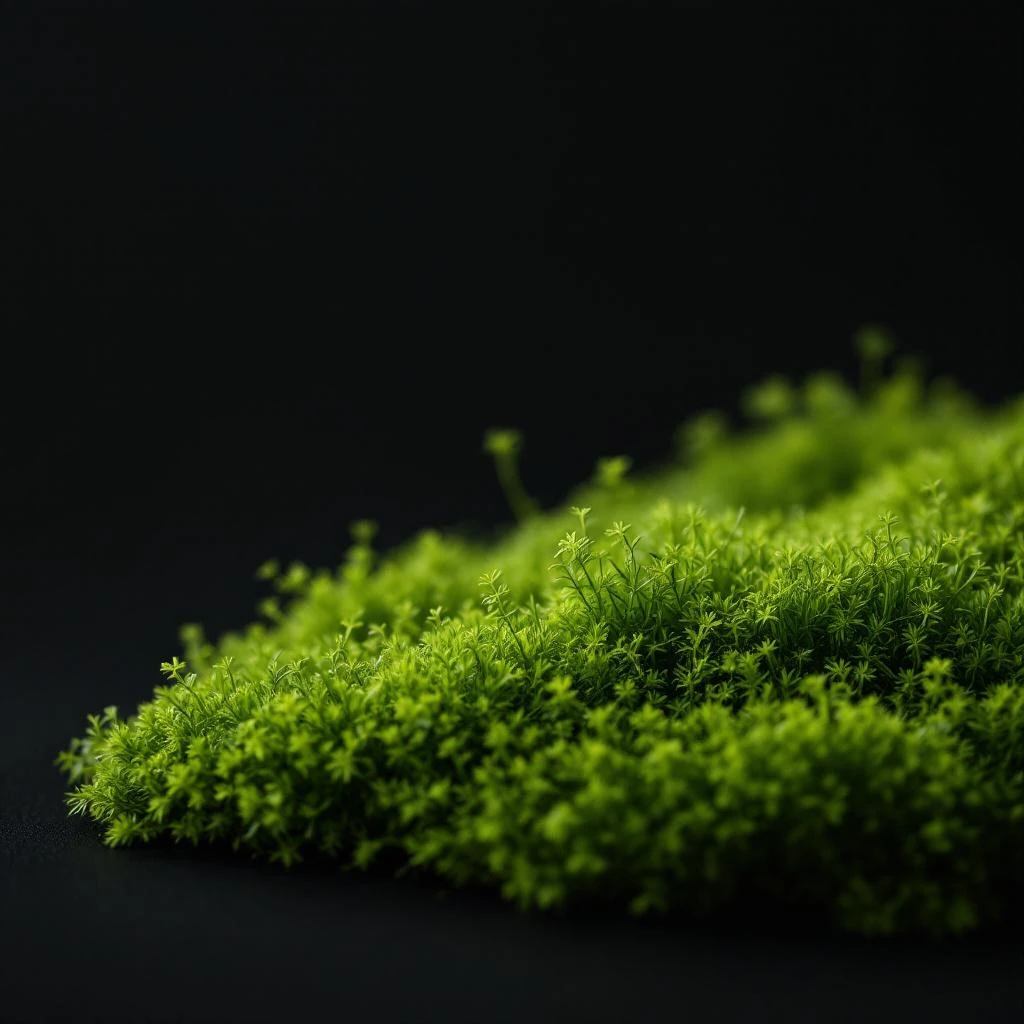
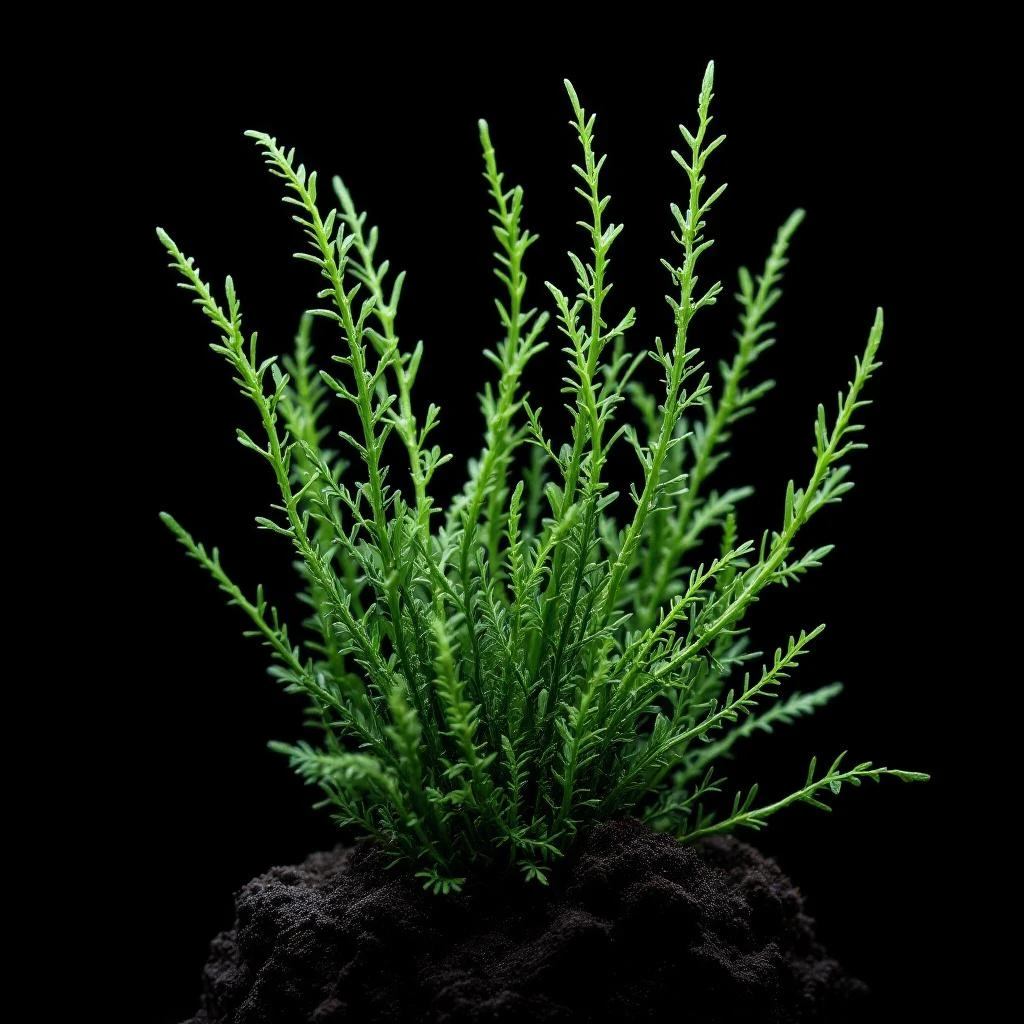
Posidonia oceanica rises from Mediterranean sands in ribbon-like emerald curtains, anchoring ancient underwater meadows that predate human civilization. This seagrass carries the mineral soul of the sea within its fibrous leaves, offering perfumers a rare aquatic material with ecological weight behind every note.
Character
How it smells
The ancient keeper of Mediterranean shores.
A single Neptune grass meadow off Ibiza spans over 8 kilometers and exceeds 100,000 years in age, making it Earth's oldest known living organism.



Origin
Spain
Mediterranean cultures have long recognized Neptune grass as central to their coastal ecosystems, though its use in perfumery represents a more recent discovery. Ancient fishermen valued the tangled ball-like masses of dead leaves, known locally, for their ability to indicate water depth and current patterns. The plant's botanical name, Posidonia, connects it directly to Poseidon, god of the sea, reflecting centuries of understanding that these underwater meadows somehow stabilize marine environments.
Modern science confirms what fishermen intuited: these meadows absorb remarkable amounts of carbon dioxide, with efficiency rivaling tropical rainforests. Fragrance houses began exploring Neptune grass as sustainable marine aromatics gained interest, discovering that extracts retain an authentic aquatic character that synthetic alternatives often lack.
Wears it best
Fragrances featuring Neptune Grass
Brands
Brands known for Neptune Grass
Good to know
Questions, answered
The essentials on Neptune Grass in perfumery: how it smells, where it comes from, and how it behaves on skin.
What does Neptune grass smell like in perfume?
Neptune grass brings a green, slightly salty scent with mineral undertones to fragrances. The note evokes the clean aquatic quality of Mediterranean shores rather than the marine ozone typical of synthetic accords.
Is Neptune grass harvested sustainably?
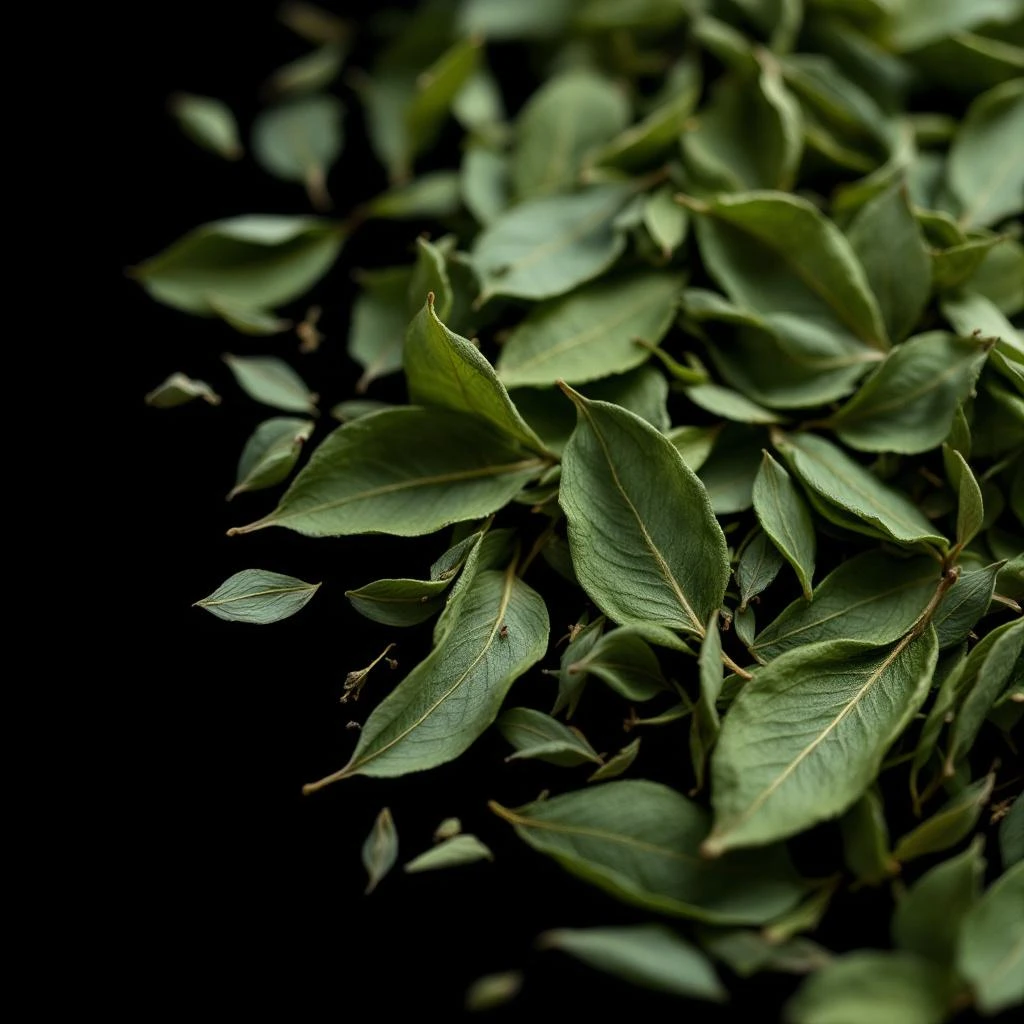
Yes. Fragrance producers harvest Neptune grass from beach-cast accumulations of dead leaf material rather than disturbing living meadows. This approach protects the ecologically critical underwater grasslands while utilizing material already deposited by ocean currents.
Where does Neptune grass grow naturally?
Posidonia oceanica exists exclusively in the Mediterranean Sea, forming dense underwater meadows from shallow waters down to approximately 40 meters depth. The plant requires specific salinity and light conditions found only in this enclosed sea.
What role does Neptune grass play in marine ecosystems?
Neptune grass meadows rank among the most productive marine ecosystems on Earth. They provide habitat for countless species, stabilize seabed sediments, and absorb carbon dioxide at rates comparable to tropical rainforests.
Which fragrances feature Neptune grass as a main note?
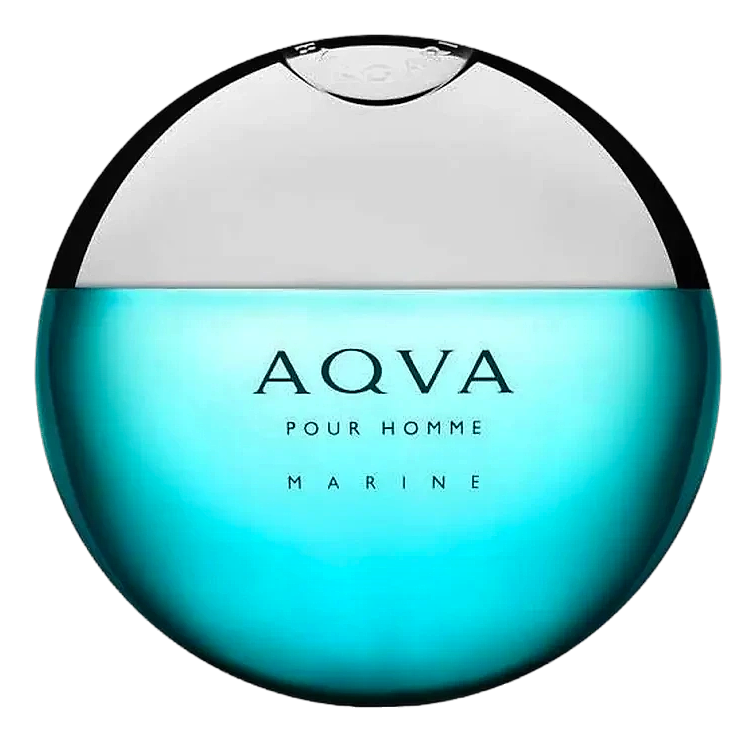
Neptune grass appears most notably in aquatic fragrances such as Bvlgari Aqva Pour Homme Marine. The note complements other marine ingredients while adding distinctive green mineral character to marine compositions.
How long has Neptune grass existed as a species?
Molecular evidence suggests Neptune grass has occupied Mediterranean basins for approximately 10 to 15 million years. Some individual meadow colonies exceed 100,000 years old, making them among Earth's oldest living organisms.
Can Neptune grass help remove plastics from oceans?
Dense balls of dead Neptune grass leaves that accumulate on shores can trap microplastics as ocean currents wash debris through the meadows. When these leaf masses wash ashore, they carry entangled plastics away from open water.
Why is Neptune grass important for climate regulation?
A single Neptune grass meadow absorbs carbon dioxide at rates matching equivalent areas of Amazon rainforest. These underwater grasslands sequester carbon in their sediments at remarkable efficiency, making them vital climate regulators.