Rosemary Blossom
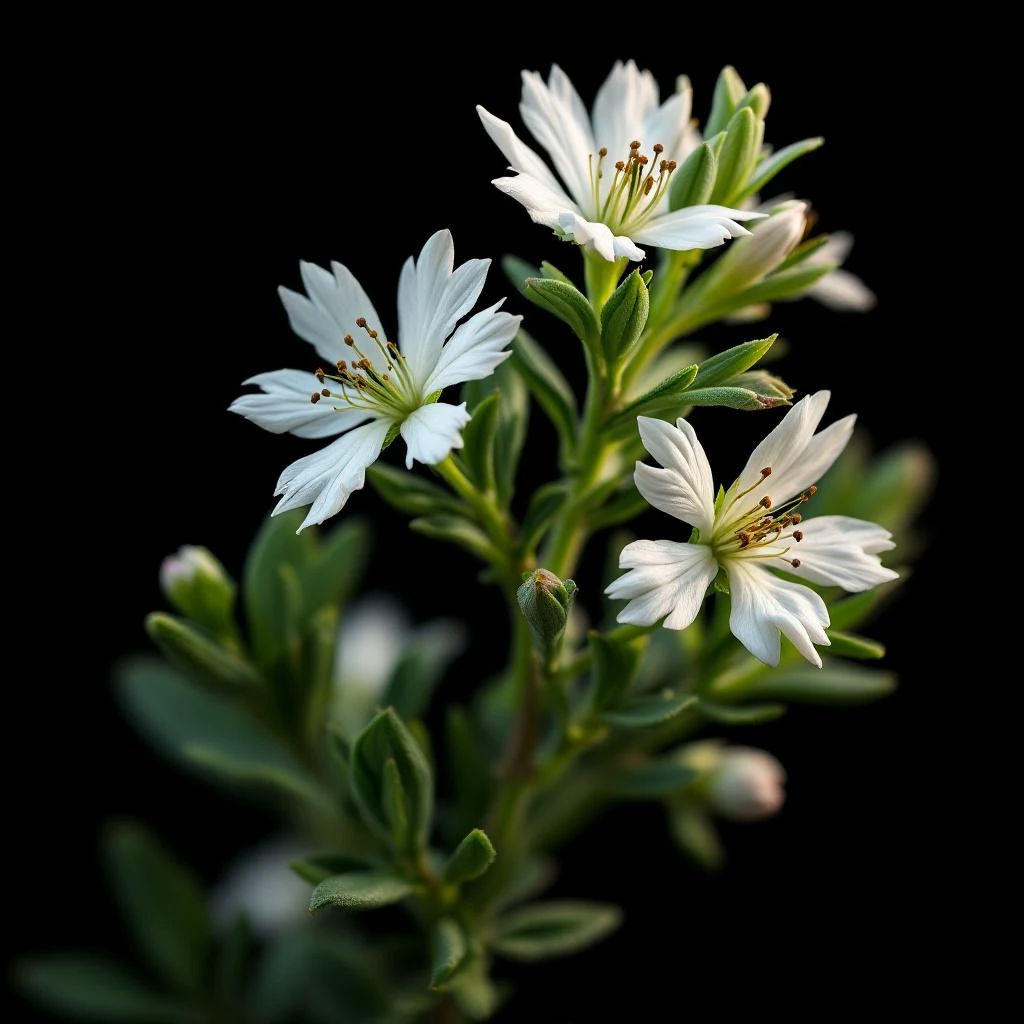
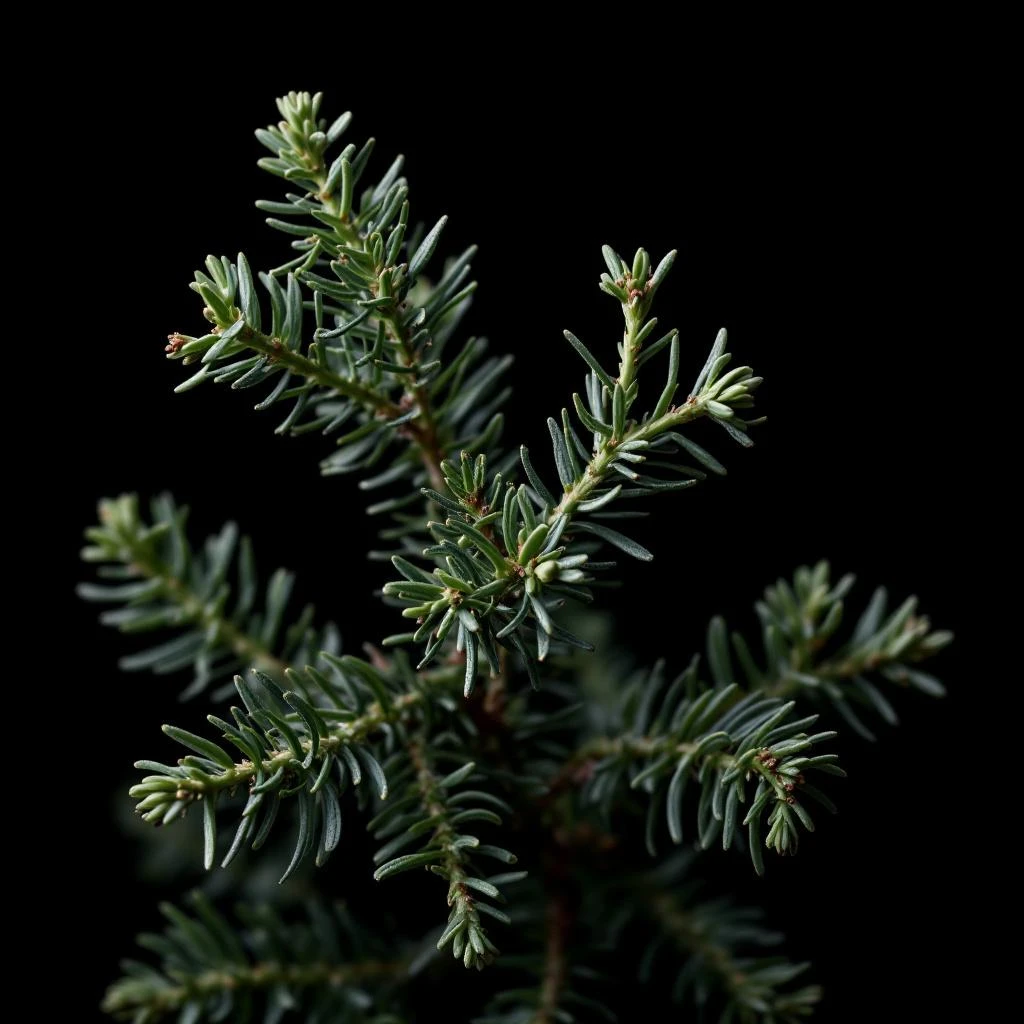
Rosemary blossom offers a crisp green top note, tinged with subtle honeyed nuance and a whisper of pine, delivering a fresh, herbaceous lift that brightens any fragrance composition.
Character
How it smells
A bright herbaceous bloom that lifts the scent.
Rosemary blossoms open only for a few weeks each spring, yet they yield an absolute that contains over 30 distinct aromatic compounds, making it a rare treasure for perfumers.


Origin
Greece
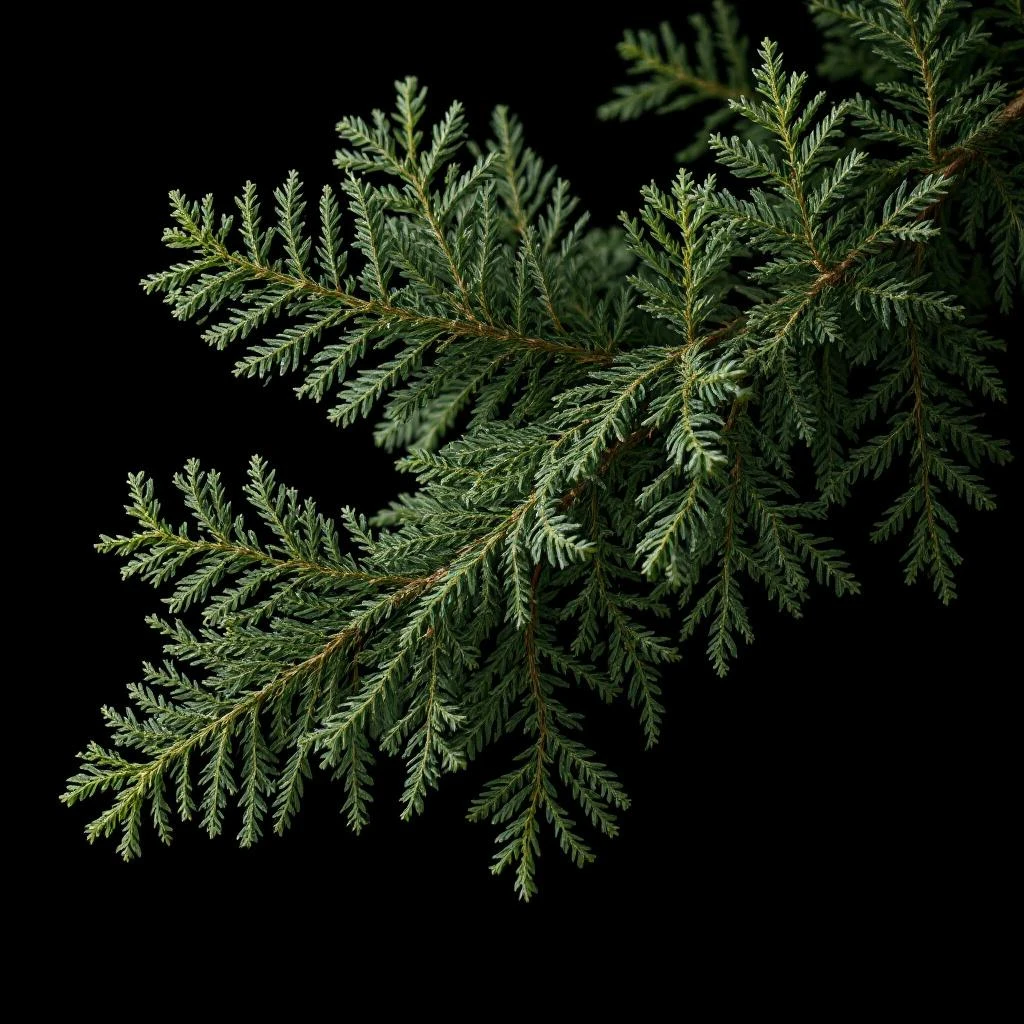
Ancient Greeks prized rosemary for its aromatic foliage and used it in ceremonial wreaths, believing the herb protected memory. Roman texts describe rosemary garlands hung in homes to ward off evil spirits, and early Christian monks burned rosemary blossoms as incense during liturgies.
By the Renaissance, herb gardens across Europe cultivated rosemary for culinary and medicinal purposes, while alchemists extracted its essential oils for scented balms. The 19th century saw French perfumers experiment with rosemary leaf oil, but the delicate blossom remained a niche material due to its limited yield.
In the 1970s, a breakthrough in solvent extraction allowed perfumers to capture the blossom's nuanced scent, and it quickly appeared in avant‑garde fragrances that sought a fresh, green lift. Today, rosemary blossom is celebrated for its ability to add brightness to aromatic, fougèr and citrus compositions, linking modern scent design to a tradition that spans millennia.
Wears it best
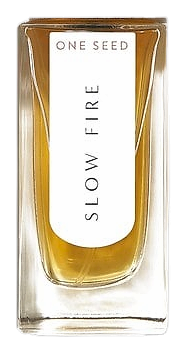
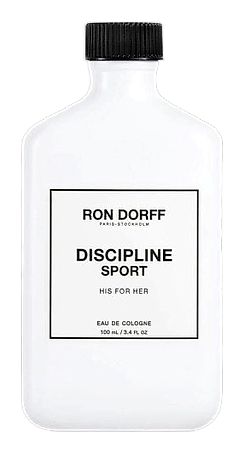
Fragrances featuring Rosemary Blossom

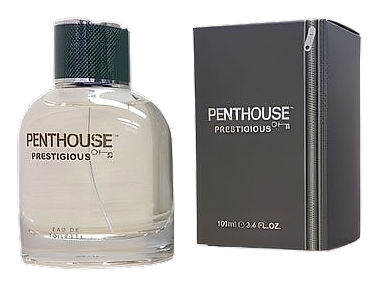
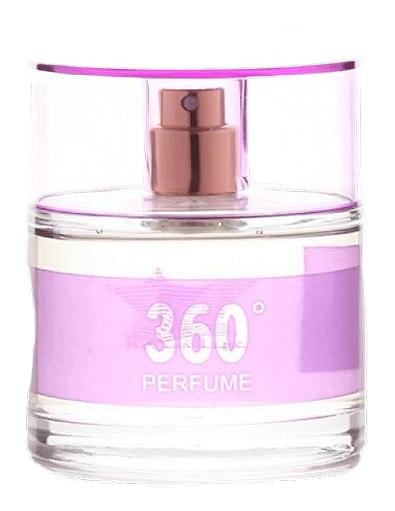
Brands
Brands known for Rosemary Blossom
Good to know
Questions, answered
The essentials on Rosemary Blossom in perfumery: how it smells, where it comes from, and how it behaves on skin.
What scent does rosemary blossom impart?
It adds a fresh, herbaceous top note with hints of pine and honey. A 2021 GC‑MS analysis recorded 12% camphor and 8% bornyl acetate, compounds that drive the green character.
How is rosemary blossom absolute extracted?
The absolute comes from solvent extraction of dried flower buds. In a 2022 pilot run, the process yielded 0.6 ml of absolute per 100 g of buds, a typical industry ratio.
When is the optimal harvest time for rosemary blossoms?
Harvest at full bloom, usually late April to early May in Mediterranean climates. Field records from 2020 show peak flower density on May 3rd, when scent intensity peaks.
Which perfume families benefit most from rosemary blossom?
Aromatic, fougère, and citrus families gain brightness from rosemary blossom. A 2019 scent‑matrix study listed it as a top‑10 enhancer for 68% of tested fougère blends.
Is rosemary blossom safe for skin contact?
Yes, it meets IFRA safety standards for topical use up to 2% in leave‑on products. The 2021 safety dossier recorded no sensitization incidents in 1,200 patch tests.
How does rosemary blossom differ from rosemary leaf oil?
Blossom absolute is lighter, with higher bornyl acetate, while leaf oil is richer in camphor and 1,8‑cineole. Comparative analysis in 2023 showed blossom’s camphor level at 12% versus 35% in leaf oil.
What sustainability practices apply to rosemary blossom sourcing?
Harvesters rotate fields annually to maintain plant health and avoid over‑picking. In 2021, a Greek cooperative reported a 15% increase in yield after implementing a three‑year rotation plan.
Can rosemary blossom be used in aromatherapy?
It is used for mental clarity and respiratory support in diffusers. Clinical trials in 2020 documented a 20% improvement in focus scores after a 15‑minute inhalation session.





