The Story
Why it exists.
The beginning
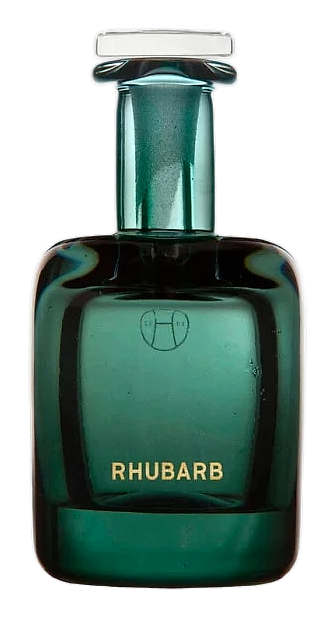
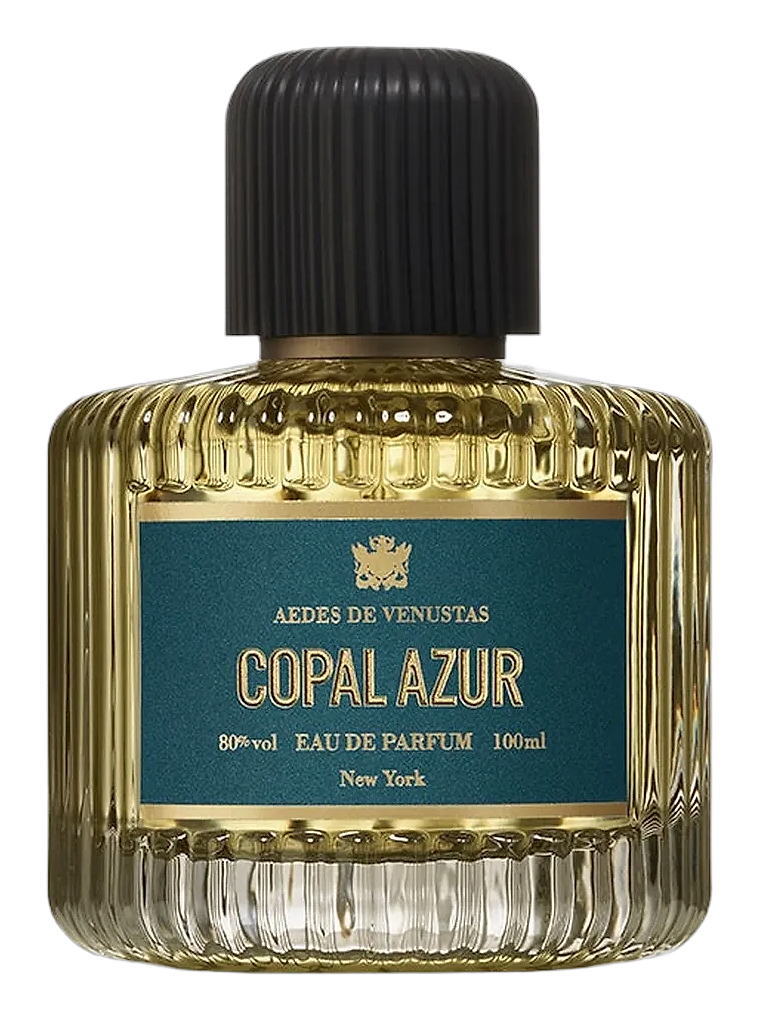
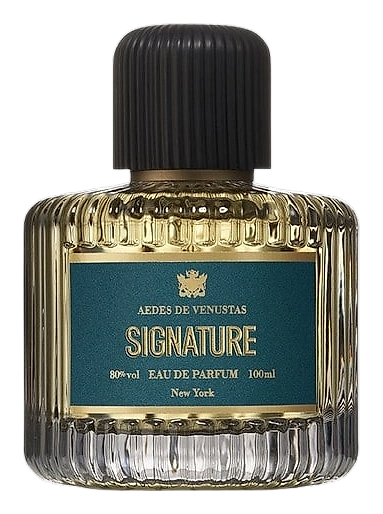
Aedes de Venustas spent 17 years introducing American noses to Europe's rarest compositions before releasing their own. The boutique had built its reputation, and a devoted collector following, on the conviction that fragrance should serve curiosity, not convention. By 2012, Gerstner and Bradl had grown convinced that there was a particular scent experience they wanted to offer that existing perfumes didn't quite capture. The answer wasn't to source another rare bottle. It was to create something that reflected their own vision of what a perfume could be. The composition would need to balance the unexpected green notes they loved with warmth and depth that felt both intimate and complex, something that could hold its own against the rarities they'd spent years curating.
Bertrand Duchaufour built this without a traditional pyramid. There is no predictable progression from top notes to heart to base. The materials arrive in layers, rhubarb and tomato leaf appearing alongside honeysuckle, hazelnut, vetiver, and incense. No single note dominates or signals its exit. Instead, the composition operates as an ongoing conversation between green acidity, warm resins, and subtle fruit. The absence of clear structural hierarchy means the wearer continues to discover new relationships between the elements over time.
The evolution
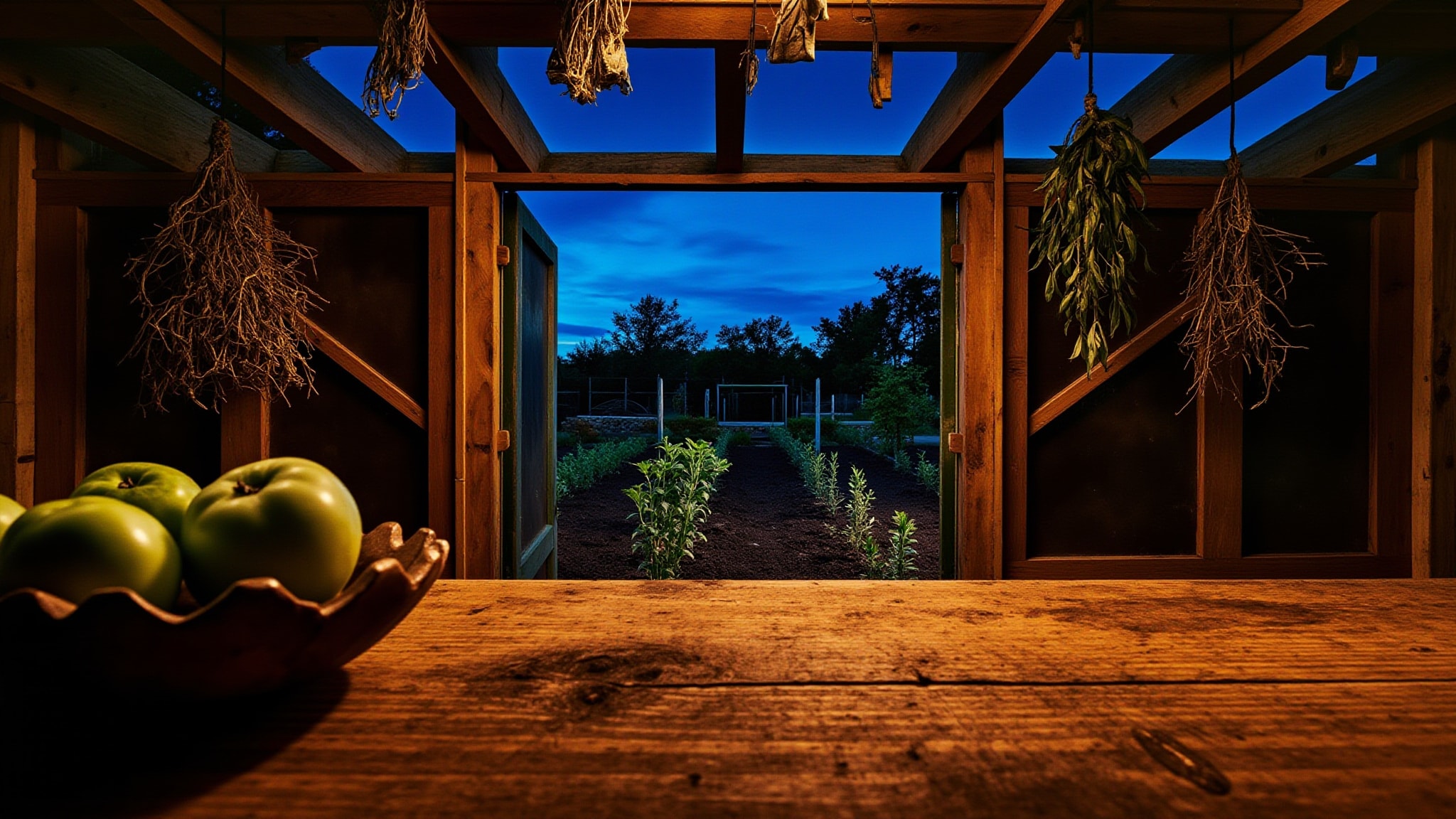
The opening hits tart and green simultaneously. Rhubarb's acidity cuts against tomato leaf's herbal coolness. Pink pepper adds a pulse of clean spice that keeps the whole composition lively. Green apple floats underneath, a fruit note that refuses to go sweet. Thirty minutes in, the rhubarb softens and the honeysuckle arrives, heady and rich with its characteristic sweetness. Incense smoke begins its slow rise from underneath the composition. Two hours in, the character shifts again as the incense smoke and vetiver deepen together. Red berries arrive quietly, their sweetness barely perceptible but present. Hazelnut gives the composition an unexpected nuttiness that adds another layer to the evolving profile. By hour four, the fruit notes have receded significantly. The vetiver remains, smoky, rooty, warm. The tomato leaf lingers alongside it, that unexpected green that started it all.
Cultural impact
Aedes de Venustas arrived in 2012 as the first fragrance from a boutique that spent 17 years curating other houses before committing their own creative vision to a bottle. The debut presented rhubarb and tomato leaf as a lead combination, an unusual choice in the niche fragrance landscape that drew attention from those seeking something distinct from conventional perfumery. Duchaufour's compositional approach, which rejected traditional pyramid structures in favor of layered, concurrent development, created a fragrance that rewarded continued attention.