The Story
Why it exists.
The beginning
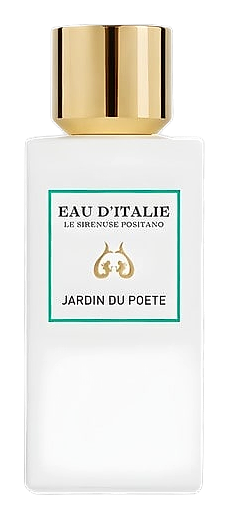
Jardin du Poete emerged from the Mediterranean portfolio of Eau d'Italie, the house founded within Hotel Le Sirenuse in Positano in 2001. The brief was straightforward: capture Sicily in scent. Not the tourist version, something with weight, with memory. Perfumer Bertrand Duchaufour built the composition around bright citrus top notes, bitter orange and grapefruit, that set an immediate tone of sun and clarity. The heart brings green cypress and musk, anchoring the fragrance to the island's landscape: the Mediterranean scrub, the stone walls, the gardens that grow wild along the coast.
What makes the pyramid hold together is the immortelle. That warm, hay-like note bridges the sparkling citrus opening and the woody drydown, it gives the fragrance a sense of time passing, of afternoon light rather than morning freshness. Duchaufour pairs it with angelica and pink pepper for herbal depth, while the cypress and vetiver base keeps everything grounded in Mediterranean character. It's a refined citrus-cologne structure, but the immortelle and the green heart give it a point of view that goes beyond the expected.
The evolution
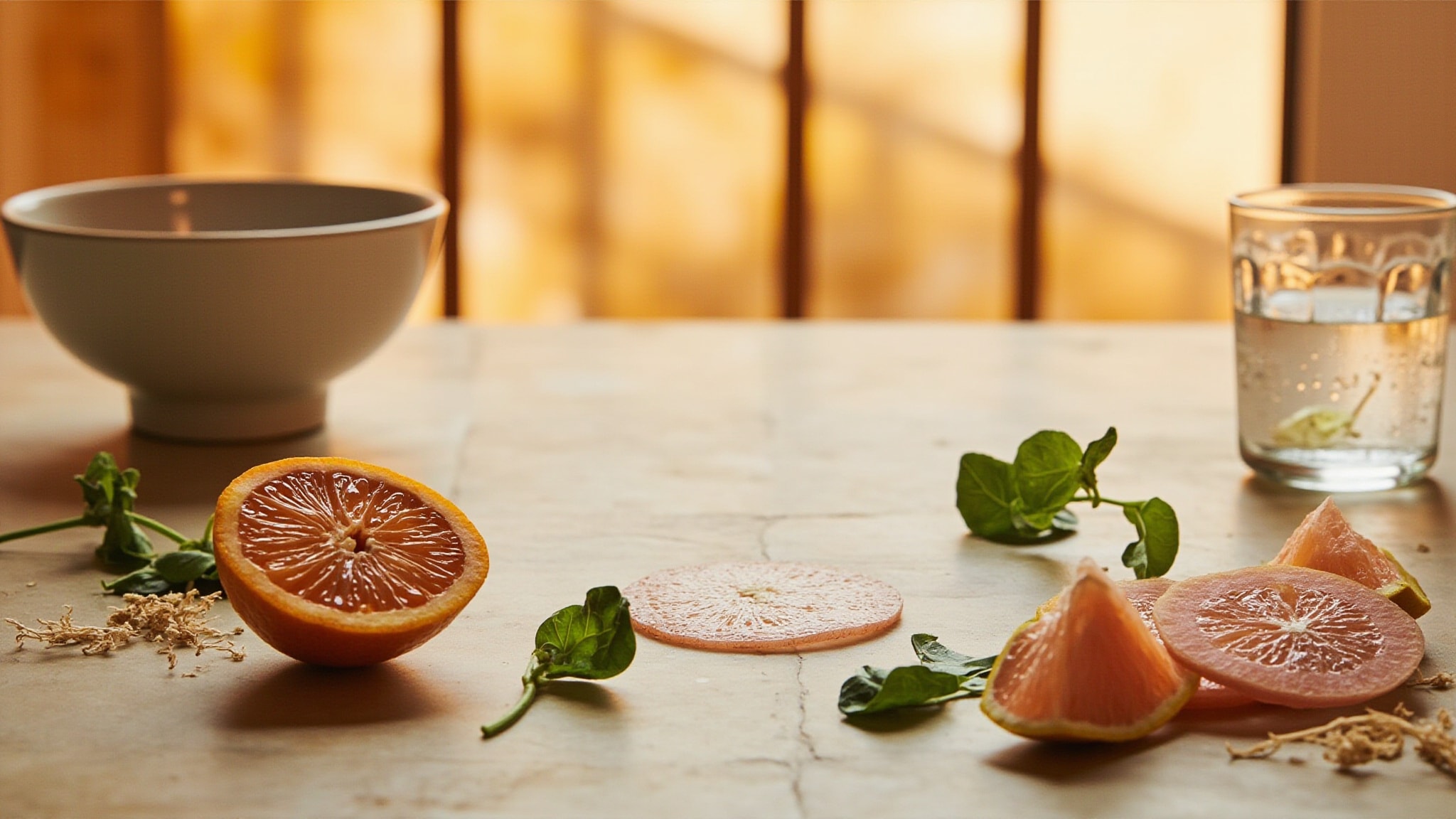
The bitter orange and grapefruit open bright, a flash of citrus that cuts through. Basil arrives fast, giving the top notes an herbal edge that feels like a garden, not a cocktail. Thirty minutes in, the immortelle announces itself: warm, hay-like, slightly sweet. It softens the citrus rather than replacing it. The angelica adds mineral depth underneath. By the second hour, the cypress takes over. Vetiver follows, woody and dry, with a thread of musk that stays close to the skin. The drydown is intimate, this is not a fragrance that announces itself across a room. It's the kind of scent you catch on yourself an hour later and think, yes, that's right.
Cultural impact
Jardin du Poete arrived in 2011 during a period of renewed interest in Mediterranean-inspired perfumery. Eau d'Italie, founded in 2001 by a family with deep ties to the Amalfi Coast, positioned this fragrance as part of a broader movement to capture authentic Italian landscape through scent rather than stereotypical citrus cologne. The use of bitter orange and basil reflected a growing appreciation for herbal aromatics in fine fragrance, while the inclusion of immortelle marked a departure from the bright, ephemeral citrus profiles that dominated the era. The 2011 launch coincided with increased consumer interest in niche and artisanal perfumery, helping establish Eau d'Italie as a serious contender in the independent fragrance space.