

Heritage
A house, in its own words
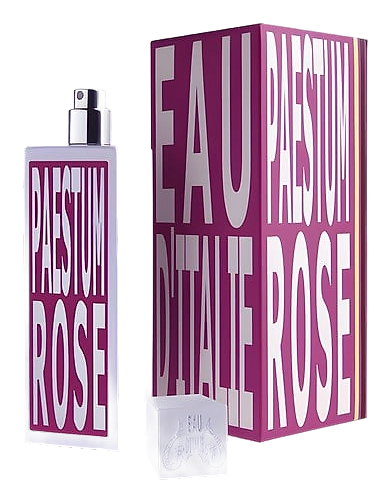
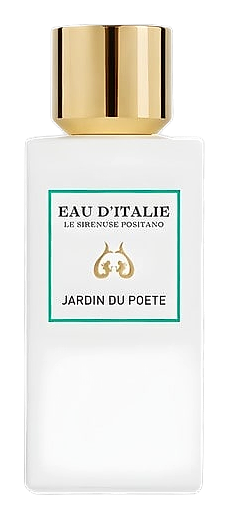
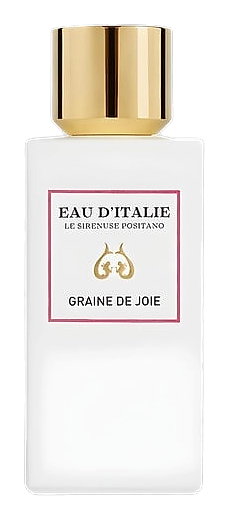
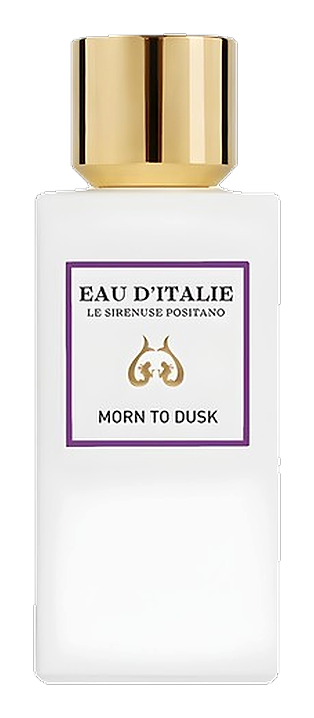
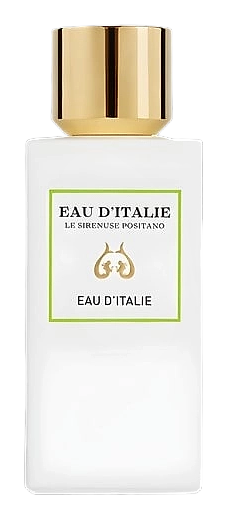
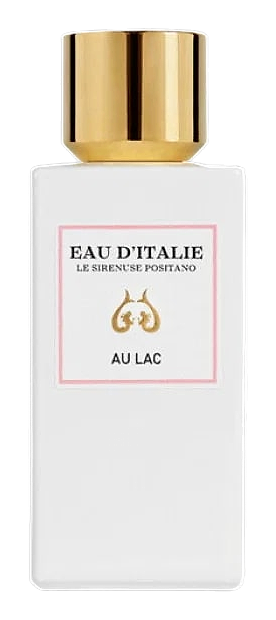
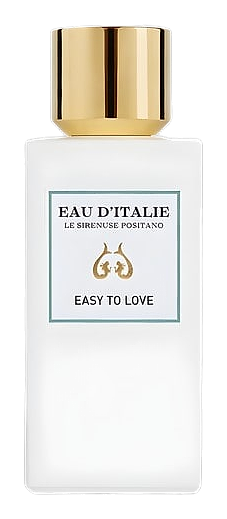
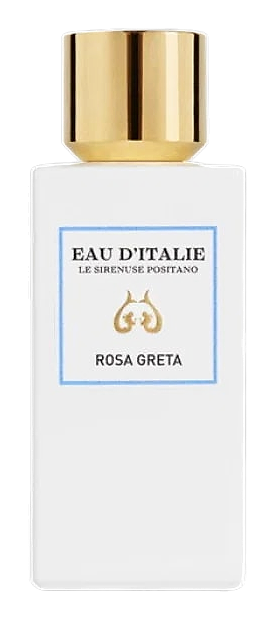
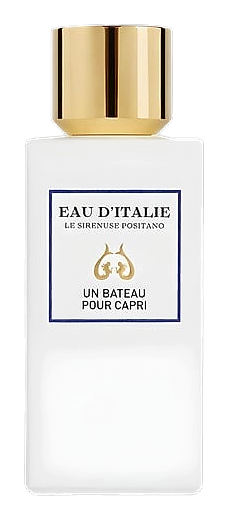
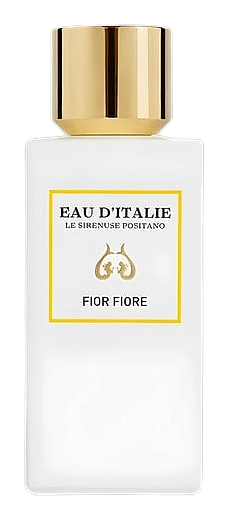
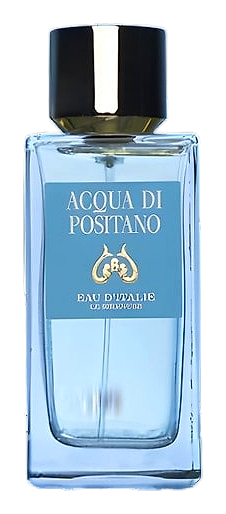
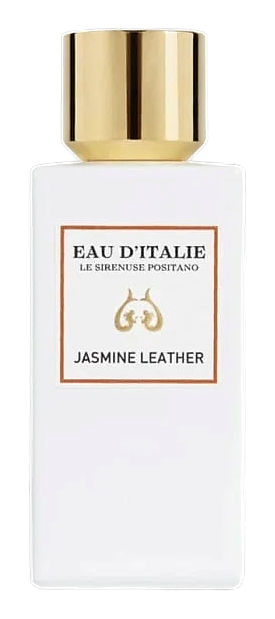
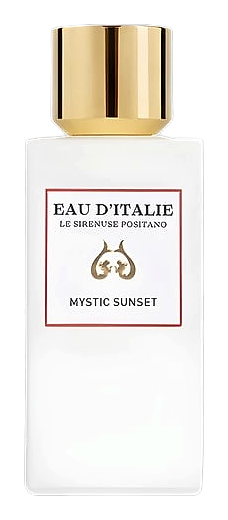
The story of Eau d'Italie begins not in a perfumery but in a hotel. Hotel Le Sirenuse opened its doors in 1951 in Positano, operated by the Sersale family. In 2001, to mark the hotel's 50th anniversary, co-owner Marina Sersale and her partner Sebastián Alvarez Murena sought to create something lasting for the occasion. The original fragrance, simply named Eau d'Italie, was developed with perfumer Bertrand Duchaufour, who composed the scent using citrus, magnolia, musk, incense, cedar, honey, and blackcurrant notes. The project emerged during a difficult period when the planned anniversary celebration was canceled following the September 11 attacks, leading the founders to channel their resources into a signature scent instead. The fragrance proved popular enough with hotel guests that it evolved from a amenity into a standalone brand. Over the following years, Sersale and Murena expanded the collection with fragrances named after locations across Italy. Paestum Rose (2006) drew from the ancient Greek site south of Naples. Bois d'Ombrie (2006) and Au Lac (2010) referenced Umbrian landscapes and a lakeside setting respectively. The house marked its 20th anniversary in 2021 with a new fragrance launch, continuing the founders' ongoing collaboration. The brand remains headquartered in Positano, with its products manufactured in Italy. Marina Sersale has spoken about the brand's purpose in terms of memory and place. She grew up surrounded by the scents of the Amalfi Coast, and this personal connection shapes the house's direction. The philosophy centers on translating specific locations into olfactory form, rather than creating abstract perfumes. Each fragrance carries the name of its inspiration, whether a ruined temple, a garden, or a coastal town. Sersale has described scent as holding memory and emotion beyond what a bottle might suggest. The approach favors composition that evokes atmosphere over shock value or trend-chasing. The brand operates independently, without the backing of larger luxury groups, which allows decisions to remain rooted in creative conviction rather than commercial pressure. Sersale and Murena continue to develop the collection slowly, releasing new fragrances at their own pace rather than adhering to industry schedules.