The Story
Why it exists.
The beginning
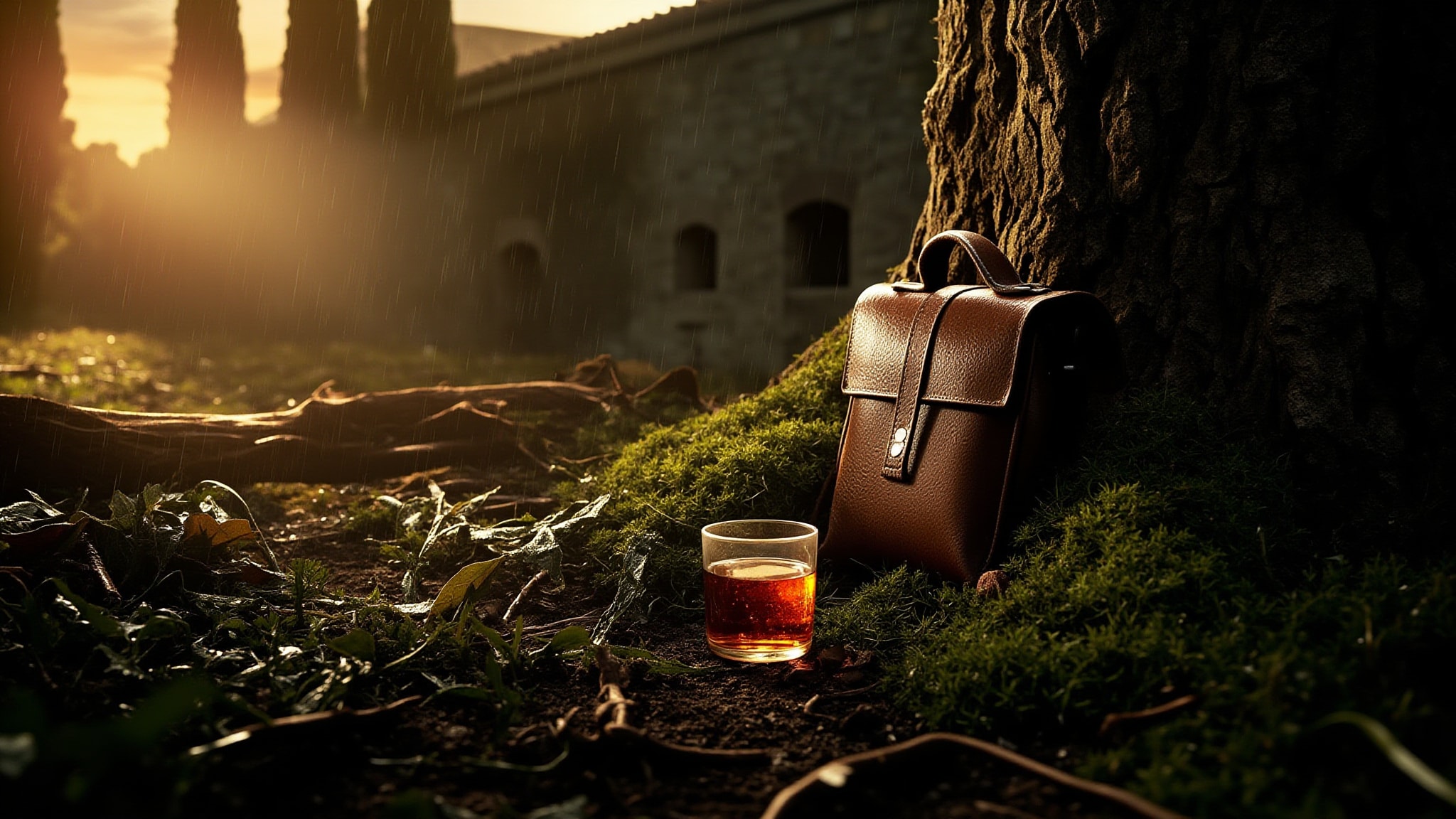
Bertrand Duchaufour composed Bois d'Ombrie in 2006 with a specific geography in mind: the forests of Umbria, the landlocked Italian region known for its rolling hills, ancient stone towns, and a moody, verdant quality that coastal Italy rarely offers. The name itself is a declaration, Bois d'Ombrie, the woods of Umbria. Duchaufour translated the sensation of walking through those woods on a damp day into olfactory form, building a fragrance that captures the primordial feeling of forest undergrowth rather than any single botanical note. This is not a scenery postcard. It is the smell of being inside a place.
What makes the composition distinctive is its refusal to choose between opulence and earthiness. The cognac opening gives it a warmth that could sit in a gentlemens club, but carrot seed and calamus pull it back toward something raw and green, almost vegetable. That tension between boozy luxury and forest floor is the engine of the heart: iris arrives with its powdery, violet-like elegance while leather anchors the composition with something darker, more animal. Copaiba balsam bridges the two, adding a balsamic sweetness that prevents the leather from becoming harsh. Opoponax in the base, a warm, honeyed resin, is the underappreciated star here.
The evolution
The opening hits fast and unexpected, cognac and carrot seed arrive together, giving the first minutes a boozy, slightly vegetal quality that some find arresting and others find puzzling. Within twenty minutes, the calamus and cognac begin to recede, and what takes their place is the leather-iris pairing: powdery, warm, with a honeyed undertone from the opoponax beginning to surface. By the second hour, the fragrance has settled into its heart, this is where Bois d'Ombrie earns its reputation. The leather reads soft and worn, not new or aggressive. The iris adds a violet-powder elegance that elevates the entire composition. Vetiver arrives in the third hour, bringing its dry, smoky, slightly mineral quality that shifts the fragrance from warm to grounded. The tobacco begins to assert itself in the final act, settling into a quiet, slightly sweet smoke that lingers on skin for eight to ten hours. On fabric, the drydown can persist until the next day, that vetiver-tobacco finish clings to wool and linen with a quiet insistence that rewards the patient wearer.
Cultural impact
Bois d'Ombrie occupies an unusual position in the early-2000s niche fragrance landscape. While many compositions from that period chased the booming oud and amber trend, Duchaufour built something quieter and more specific, a woody composition rooted in vetiver, leather, and iris that reads as more literary than fashionable. Wearers who connect with it tend to describe it as the scent of someone who walks into a room without needing to announce themselves. The fragrance has earned a loyal following among those who seek unconventional woody compositions over mainstream appeal, finding its audience through word of mouth rather than visibility. Its discontinuation by the house has only deepened its cult status among collectors.