Copaiba Balsam
Copaiba Balsam is a warm, resinous oleoresin tapped from Copaifera trees deep in the Amazon rainforest. Prized as one of the most accessible natural fixatives in perfumery, it lends fragrances a soft, balsamic warmth with woody and peppery undertones. Collected sustainably from living trees, this ingredient bridges indigenous tradition with modern fine fragrance.
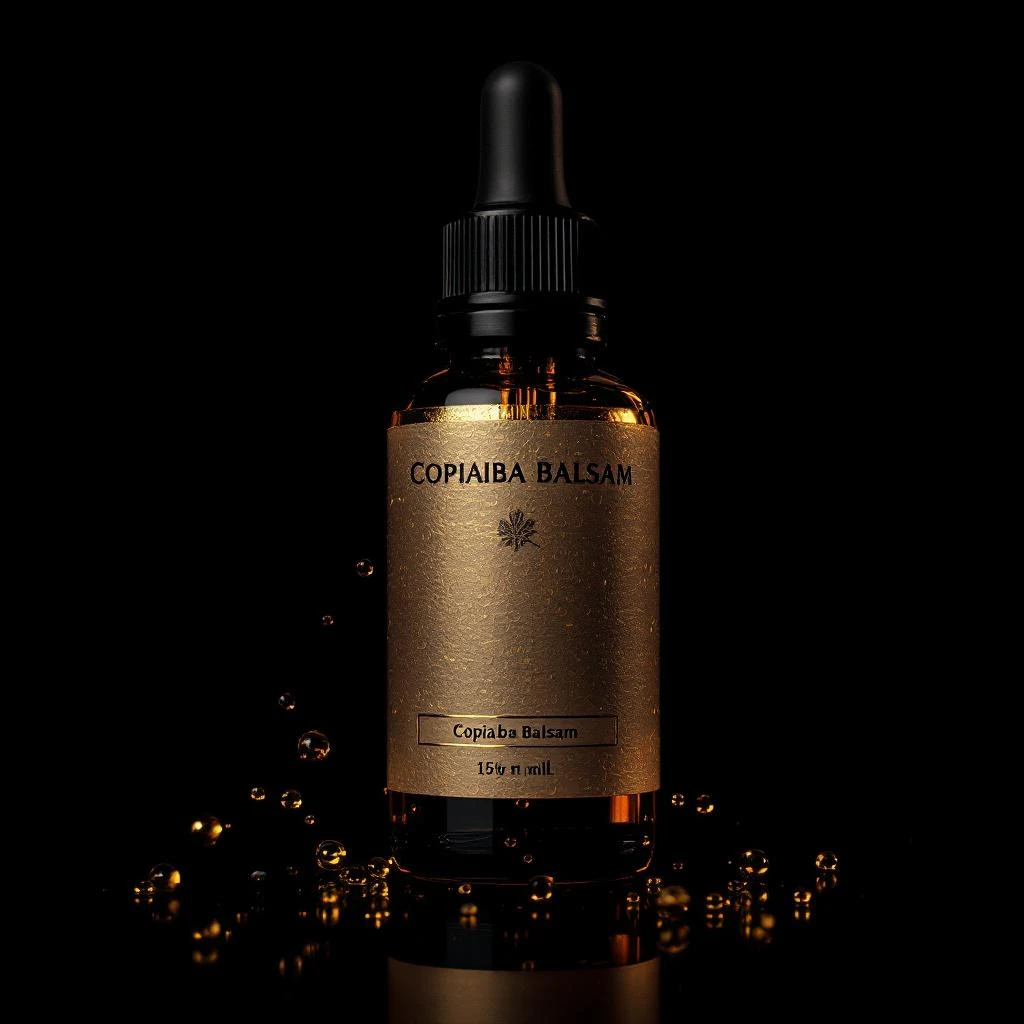
Character
How it smells
Amazonian resin warmth, bottled fixative power.
Copaifera trees yield up to 40 liters of resin annually, earning them the nickname 'diesel tree' for their potential as biofuel.






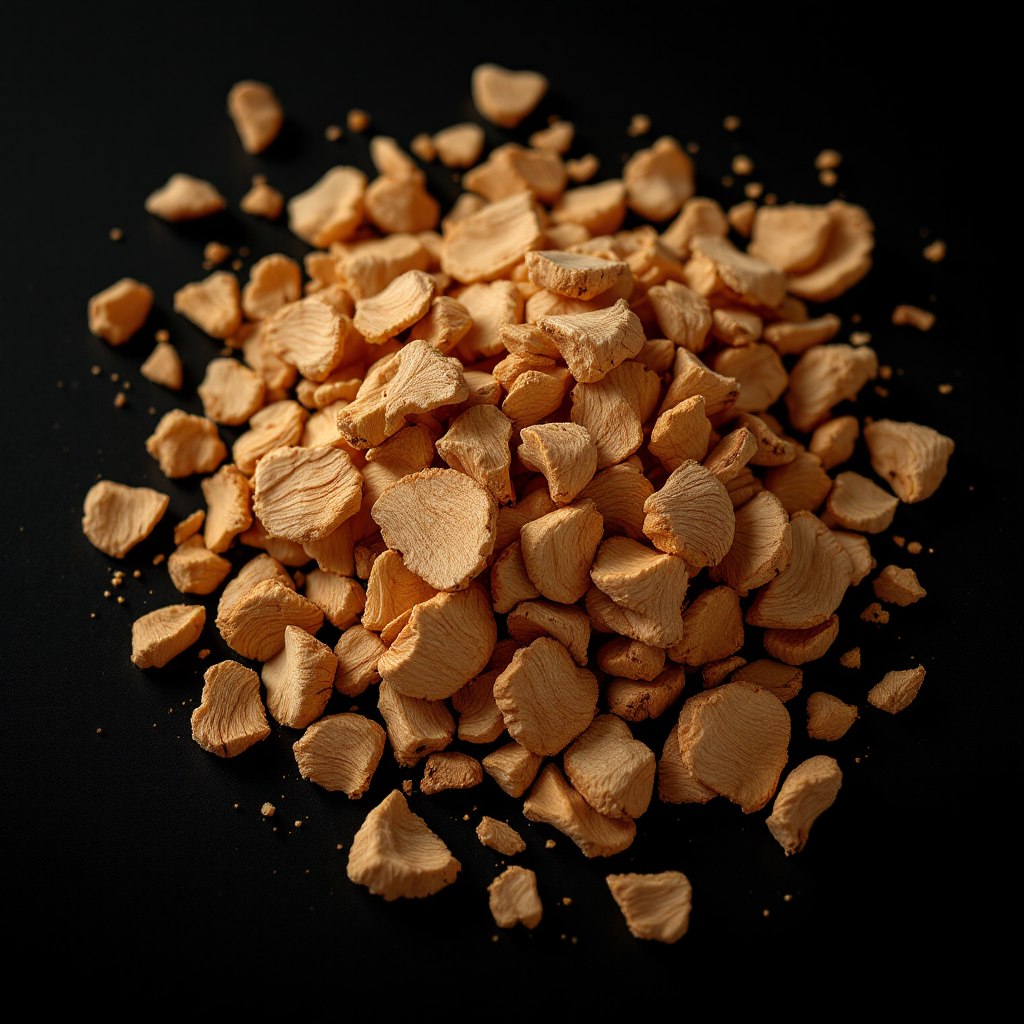


Origin
Brazil
Indigenous Amazonian communities have harvested Copaifera resin for centuries, relying on its medicinal and ritual properties long before European contact. Portuguese traders first brought Copaiba Balsam to Europe in the 17th century, initially for pharmaceutical applications and specialty varnishes.
Its use in fine perfumery emerged later, when perfumers discovered its exceptional ability to anchor volatile top notes while contributing rich, enveloping warmth. Today, Copaiba remains economically vital to Amazonian communities, accounting for approximately 95 percent of Brazil's oil-resin production industry, with annual harvests reaching an estimated 500 tons.
Wears it best
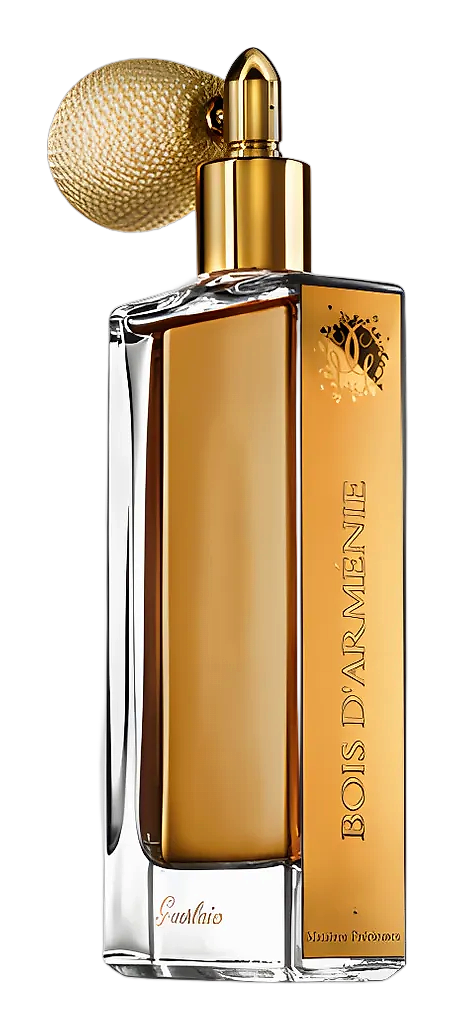
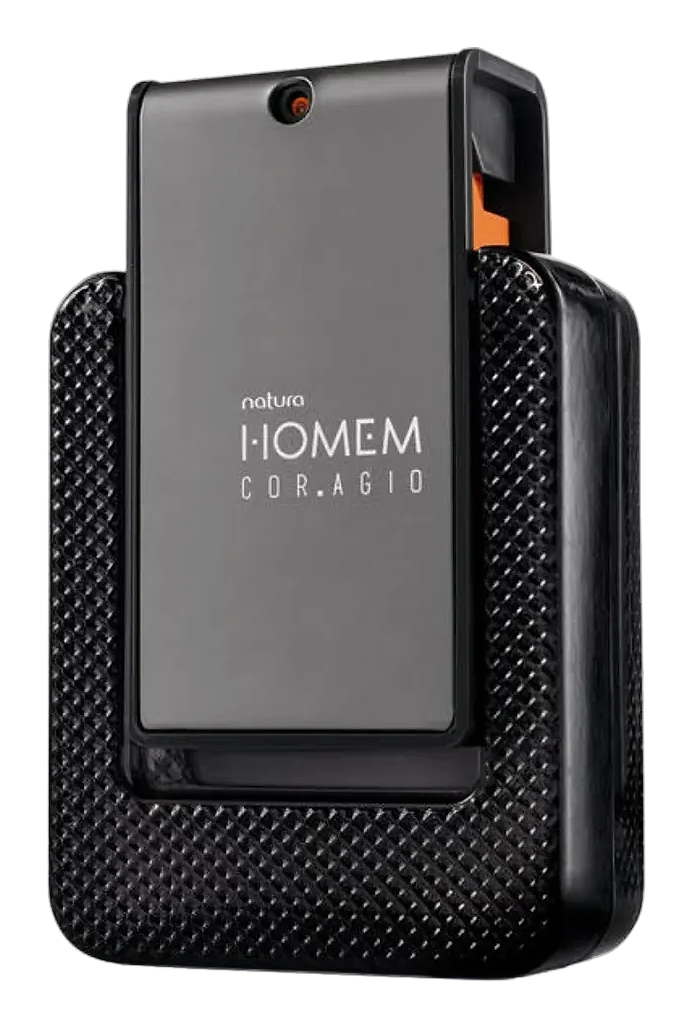
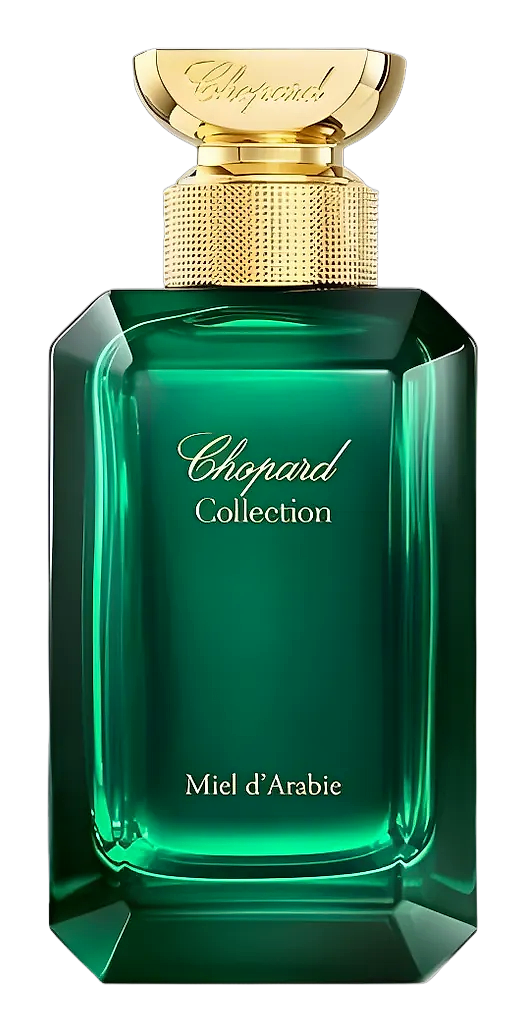
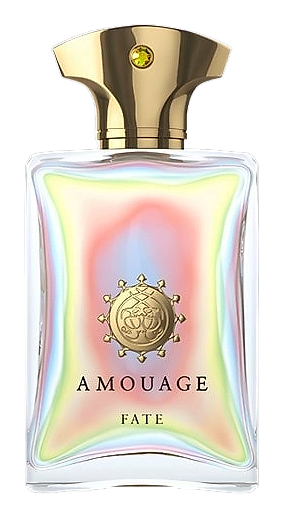
Fragrances featuring Copaiba Balsam
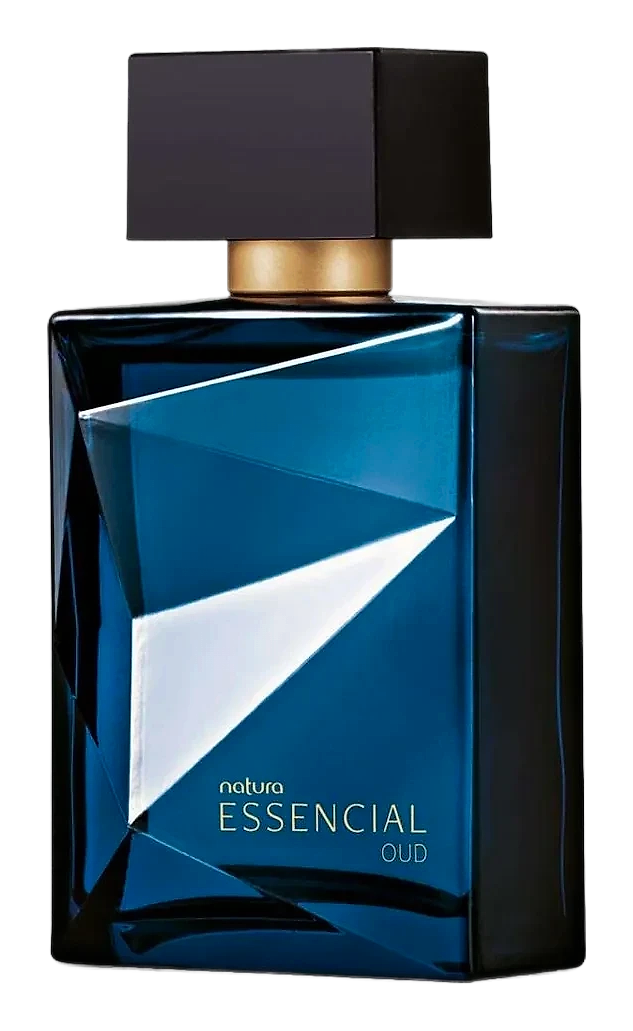

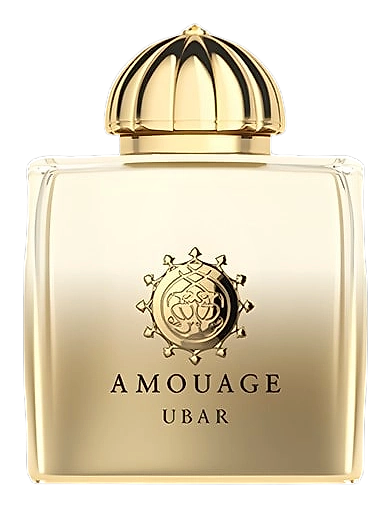
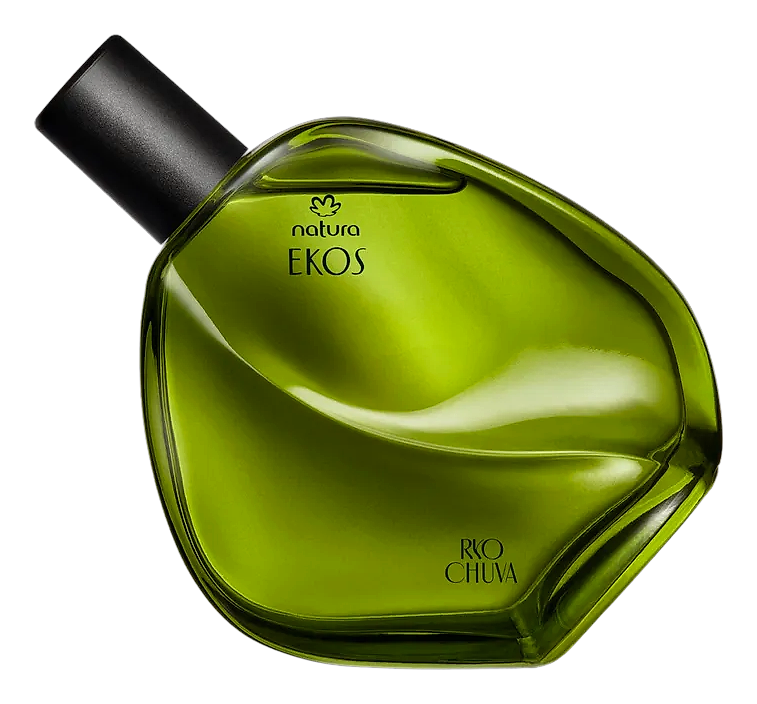
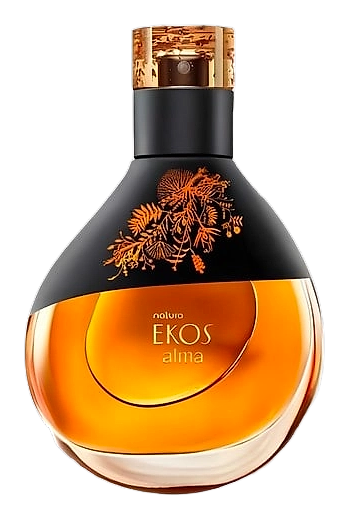
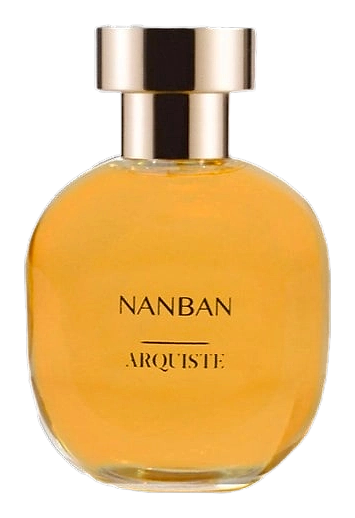
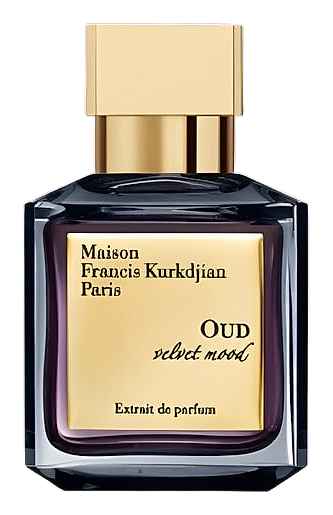
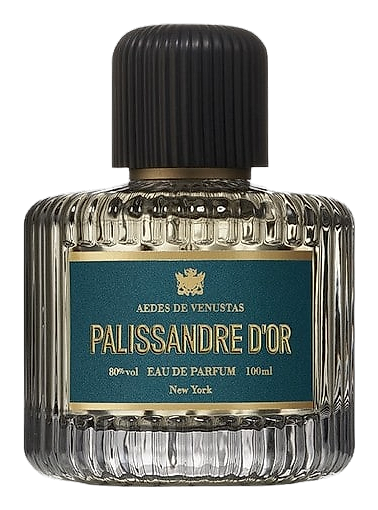
Brands
Brands known for Copaiba Balsam
Good to know
Questions, answered
The essentials on Copaiba Balsam in perfumery: how it smells, where it comes from, and how it behaves on skin.
What does Copaiba Balsam smell like?
Copaiba Balsam offers a warm, soft, balsamic aroma with woody depth and mild peppery spice. Descriptors range from honeyed and creamy to earthy and labdanum-like, depending on the source tree and harvest conditions.
What is Copaiba Balsam used for in perfumery?
Perfumers use Copaiba Balsam primarily as a natural fixative. It slows evaporation of lighter notes and adds a rich, grounding base to Oriental, Woody, and Resinous fragrance compositions.
What is the difference between Copaiba Balsam and Copaiba Essential Oil?
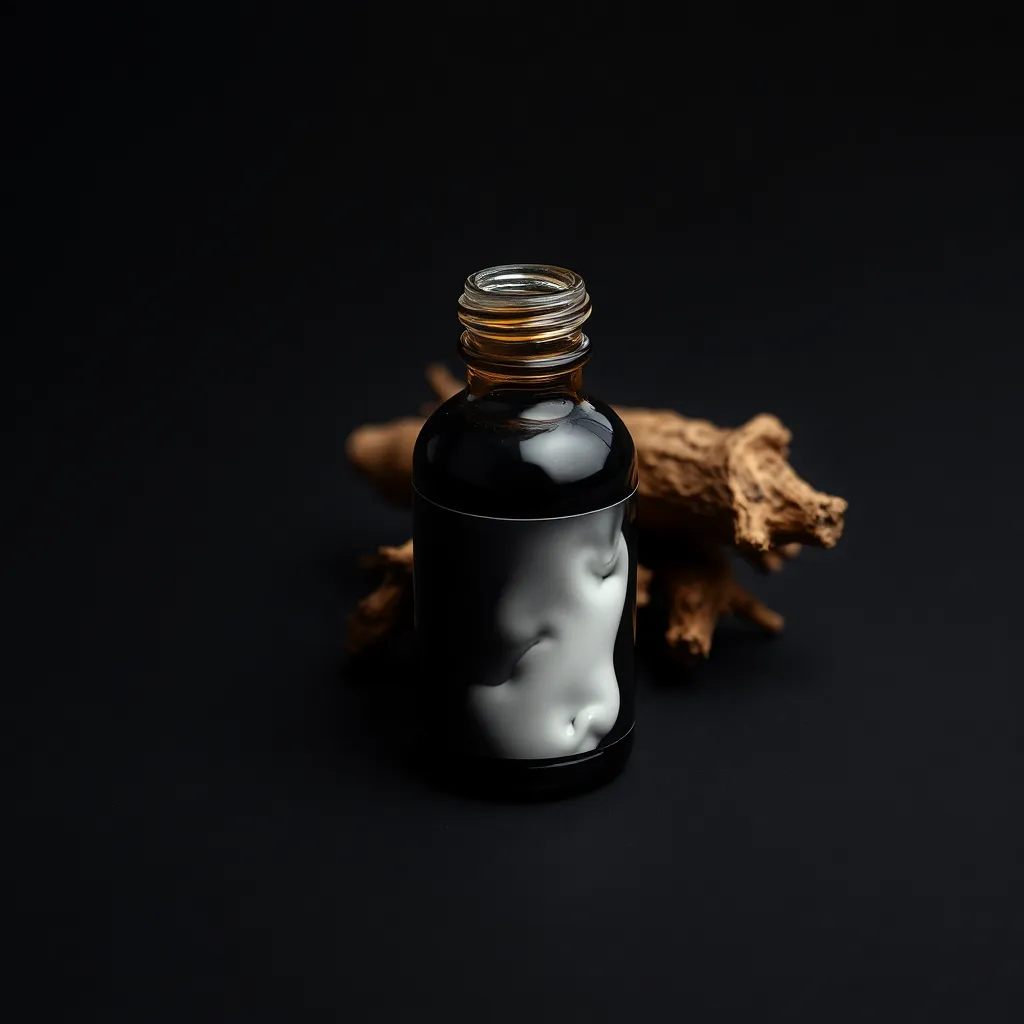
Copaiba Balsam is the raw oleoresin tapped directly from the tree. Copaiba Essential Oil results from distilling this resin. The balsam retains heavier diterpenes absent from the distilled oil, making it the preferred fixative material.
Where does Copaiba Balsam come from?
Copaifera trees grow throughout the Amazon basin, with Brazil as the primary source. The trees belong to the Leguminosae family, and Copaifera langsdorffii is among the most commonly harvested species for perfumery materials.
What key compounds are found in Copaiba Balsam?
Copaiba contains significant beta-caryophyllene, alpha-bergamotene, alpha-copaene, and beta-bisabolene. It is also the primary natural source of copalic acid, a diterpene under study for its bioactive properties.
What blends well with Copaiba Balsam?
Copaiba Balsam pairs harmoniously with cinnamic alcohol, styrax, amyris, cedarwood, coumarin, labdanum, and ionones. It bridges sharp top notes and rich bases, making it versatile across Woody and Oriental formulations.
Is Copaiba Balsam sustainably harvested?
Yes. Traditional tapping allows Copaifera trees to remain alive and productive. The three-year resting period between harvests enables trees to regenerate their resin stores, supporting long-term forest ecology and community livelihoods.
When was Copaiba Balsam first used in perfumery?
Copaiba reached European markets in the 17th century, initially for medicinal and varnish applications. Its transition to perfumery came centuries later, once perfumers recognized its fixative qualities and warm, resinous character.