
The Story
Why it exists.
The beginning
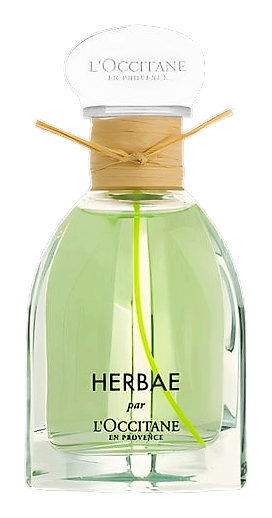
Herbae represents L'Occitane's botanical heritage pushed into wilder territory. The fragrance captures wild grasses, thorny flowers, and the green found at the edges of cultivated land. Perfumers Nadège Le Garlantezec and Shyamala Maisondieu built the composition around nettle blossom and rose hip, materials that carry the prick and tartness of plants not bred for beauty. The name itself, Herbae, reaches back to Latin roots, to the idea of herbs and green things growing on their own terms. There's an immediacy to this scent that feels like pressing through overgrown hedgerows, where nature operates without apology or intervention. The overall impression is one of untamed growth, plants doing exactly what they need to survive rather than what looks pretty in a vase.
Rose hip brings a tart, seed-like quality rather than the expected floral sweetness. The blackberry in the heart keeps things grounded in fruit rather than fantasy, offering a juicy depth that never becomes syrupy or overripe. As the fragrance evolves, warmer elements emerge to balance the sharper green notes. Ambrette contributes a clean, slightly nutty warmth that threads through the composition, while cashmeran provides a soft, powdery embrace that keeps the entire creation intimate and close to the skin.
The evolution
The opening hits bright and sparkling, with bergamot and pink pepper creating immediate brightness. Ambrette threads through from the start with a clean, slightly nutty warmth that becomes the fragrance's quiet signature. Within minutes, the green takes over. Nettle blossom arrives swiftly, followed by rose hip's tartness and blackberry's sweet-tart fruit. The blackberry adds juicy depth without becoming confectionery, keeping the heart grounded in something genuine. The drydown is where the honey finally speaks, but softly, close to the skin, wrapped in cashmeran's powdery warmth and the fading ghost of grass and herbs. What lingers is the botanical core: a faint green-hay character that stays intimate and personal, never announcing itself to the room. The scent evolves on skin into something that feels like it belongs there, as if the fragrance has found its natural resting place.
Cultural impact
Herbae occupies an interesting space within the L'Occitane lineup. The fragrance attracts wearers who want something that smells genuinely natural rather than curated, people drawn to botanical gardens and the honest aromatics of growing things rather than the romantic ideal of a rose bed. There's an audience for this kind of botanical directness, for scents that acknowledge the prickly and the weedy alongside the beautiful. The fragrance speaks to someone who finds more interest in a hedgerow than a manicured border, who appreciates the complexity that comes from plants growing without human intervention.
The House
L'Occitane en ProvenceL'Occitane en Provence is a French fragrance house rooted in the botanical traditions of southern France. Founded in 1976, the brand translates the scents of wild rosemary, lavender and almond into perfumes, body mists and skincare that feel like a walk through a Provençal market. Today the company ships its scented creations to more than 90 countries, yet each bottle still carries the imprint of the hills, stone houses and sun‑baked fields where the first essential oils were distilled. The line balances classic floral and warm amber notes with a modern sensibility for natural ingredients, offering a quiet alternative to the louder, synthetically driven offerings that dominate many shelves.
The Creator
Nadège Le Garlantezec & Shyamala MaisondieuNadège gravitates toward warm, enveloping materials—benzoin, vanilla, ylang-ylang—that offer comfort without heaviness. She pairs these anchor notes with modern florals and crisp, clean structures that keep her compositions feeling contemporary.