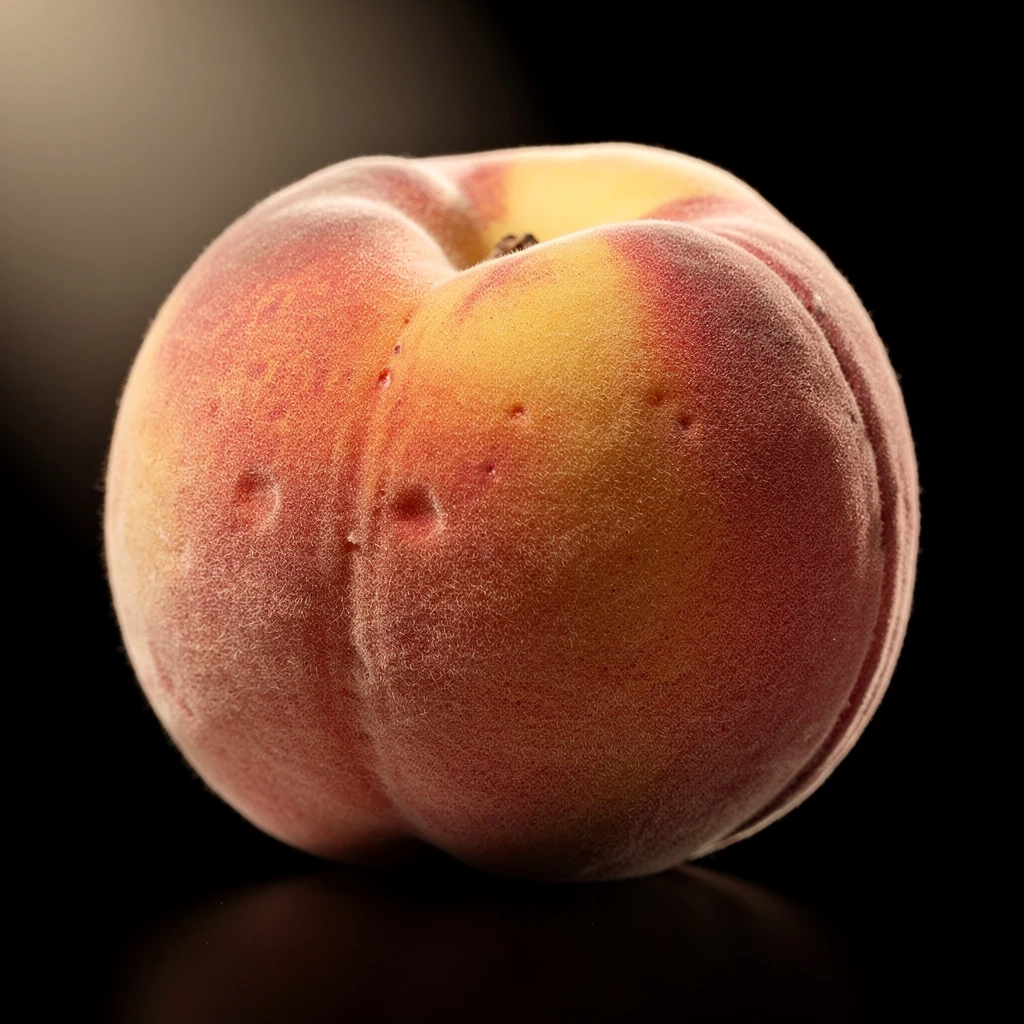
Rose Hip
The fruit of the wild rose, harvested for a precious oil that adds subtle warmth and skin-like depth to perfumery compositions. Often overshadowed by rose petals, rose hip brings quiet complexity to the base.

Character
How it smells
The rose's hidden fruit adds subtle, skin-like warmth to fragrance.
Rose hips contain more vitamin C per gram than oranges. Before their aromatic value was understood, ancient healers used them in medicinal preparations.









Origin
Europe
Rose hip has roots in ancient herbal traditions long before perfumers discovered its aromatic potential. Civilizations across the Mediterranean and Middle East used rose hips in medicinal preparations for their nutritional and therapeutic properties.
Medieval apothecaries incorporated the fruit into remedies and early cosmetic formulas, establishing a connection between rose hip and wellness that persists today. By the 19th century, as perfumery professionalized, artisans began exploring rose hip oil as a fragrance ingredient.
They recognized that the fruit carried different qualities than rose petals, offering warmth rather than floral intensity. Modern perfumers value rose hip oil as a supporting note that adds body and natural undertones to compositions, particularly in fragrances designed to evoke skin-close intimacy.
Wears it best
Fragrances featuring Rose Hip
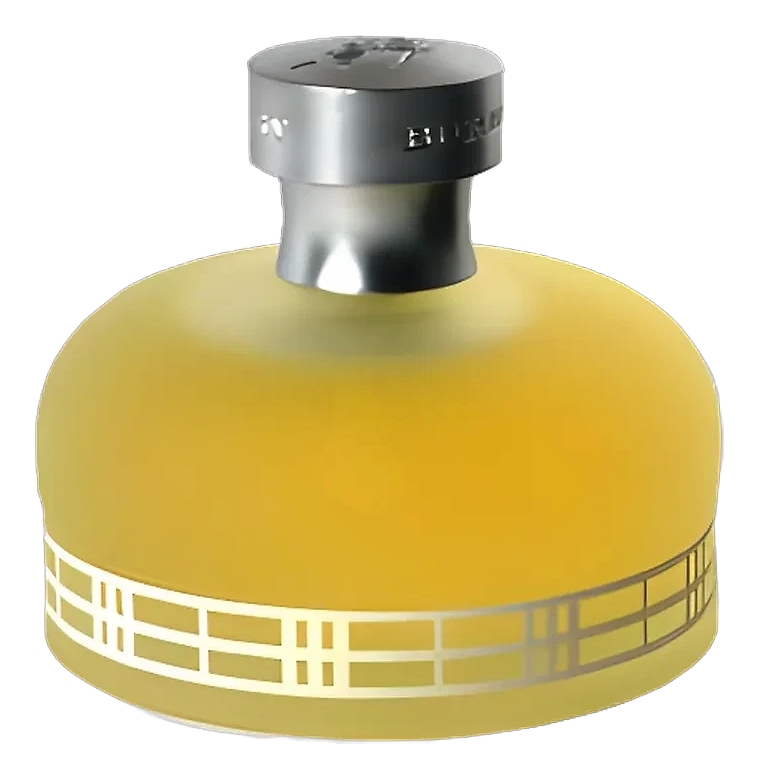



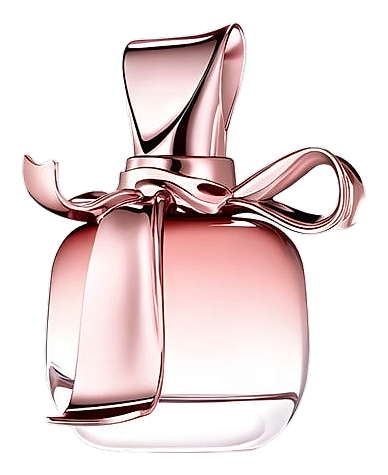

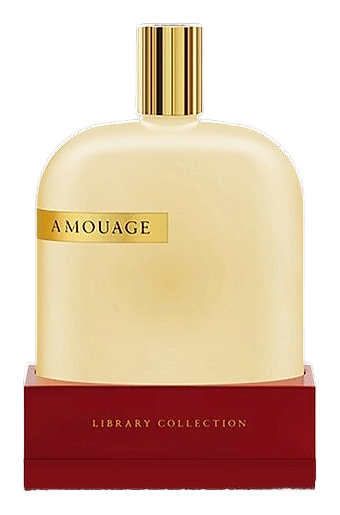

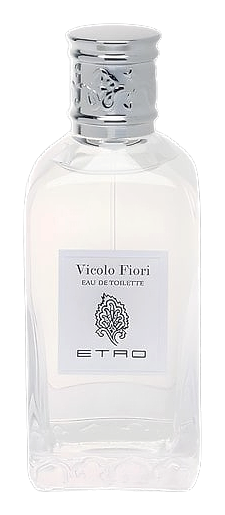

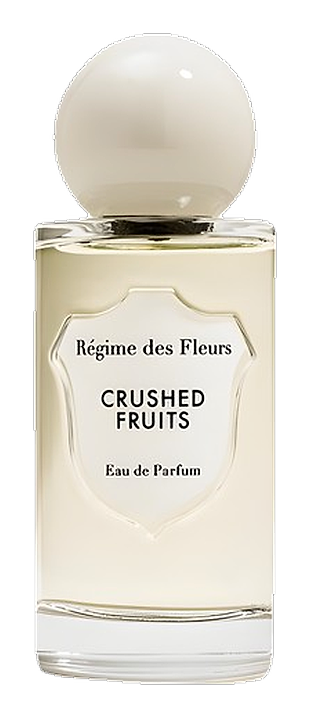
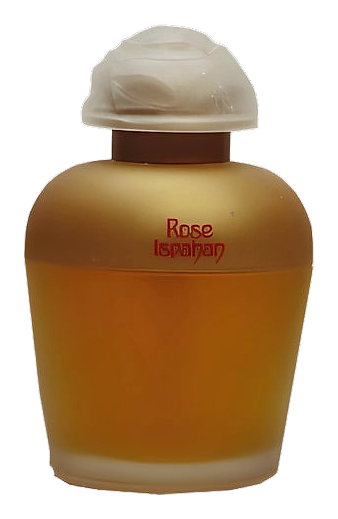
Brands
Brands known for Rose Hip
Good to know
Questions, answered
The essentials on Rose Hip in perfumery: how it smells, where it comes from, and how it behaves on skin.
What does rose hip smell like in perfumery?
Rose hip carries a subtle, understated scent with nutty and woody facets. It reads as faintly sweet and earthy, quite different from the bold floral character of rose petals. In blends, it contributes quiet warmth rather than standing out as a primary note.
How does rose hip differ from rose petals?
Rose petals deliver the classic floral character associated with rose. Rose hip comes from the fruit and provides subtle depth, warmth, and skin-like qualities. Perfumery uses the two for different purposes: petals for floral impact, hips for foundation and complexity.
Where does rose hip oil come from?
Perfumers obtain it through cold pressing the seeds of the rose fruit. The fruits develop after flowering, typically harvested late summer through autumn when they turn deep orange. The cold pressing method preserves volatile compounds that heat would destroy.
What makes rose hip oil special as an ingredient?
Rose hip oil acts as a subtle fixative and enhancer in fragrance bases. It adds quiet complexity that helps compositions feel more natural and skin-close. Perfumery values it for this grounding quality, especially in blends with musks and amber.
Is rose hip a common ingredient in fine fragrance?
It appears less frequently than rose petals but plays a supporting role in many fragrance bases. Perfumers use it sparingly for its ability to add depth and warmth without dominating the overall scent profile. Its quiet nature makes it a foundation element rather than a focal point.
Can rose hip be created synthetically?
Synthetic alternatives exist, though they rarely capture the full complexity of the natural oil. Natural rose hip oil contains a range of fatty acids and aromatic compounds that synthetic versions struggle to fully reproduce. The subtle nuances are what make the ingredient distinctive.
What role does rose hip play in fragrance layering?
Perfumers position rose hip as a base note that supports top and heart notes. Its warmth and earthiness help fragrances last longer on skin while adding a natural, skin-like quality. Blending it with musks and woods creates intimate, grounded compositions.
How should rose hip oil be stored?
Keep it in a cool, dark place in an airtight container. Cold pressed oils oxidize over time, so refrigeration extends shelf life. Exposure to light and heat degrades the aromatic compounds, diminishing its effectiveness in formulations.