
The Story
Why it exists.
The beginning
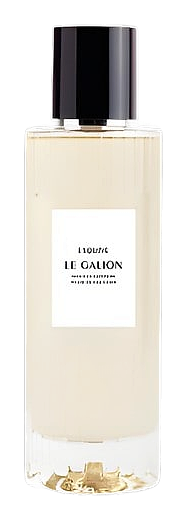
Esquive started as a 1932 sketch by Prince Murat, an aristocrat. The original disappeared into the quiet decades that followed. Jean-Christophe Hérault picked up the thread in 2020. Not a remake. A continuation. He kept the name, drawing from the original structure while rebuilding the formula for a contemporary wearer. The result feels rooted in something older without being burdened by it.
What makes Esquive unusual is its treatment of leather, not as bold announcement but as texture. The ambrette seed absolute carries that creamy-musky quality that gives the leather its warmth without animalic weight. Cashmeran does what cashmere does: it softens every edge. Pink pepper opens with a small heat that dissipates quickly, leaving space for the composition to settle. The whole scent circles back to its own beginning, fresh laundry, leather, and musk in a loop that doesn't demand attention but rewards presence.
The evolution
First contact: pink pepper spark, brief and citrus-adjacent. Within minutes, cashmeran floods in, soft, warm, clean in the way expensive fabric softener smells. This is the textile workshop moment. Drycleaner musk. Linen fibers. Something that recalls Persian carpets in afternoon light. The leather arrives not as a bold statement but as a texture, the kind that layers rather than dominates. It sits quietly alongside the cashmeran, integrated into the composition. The heart is stable for hours, quietly woody, quietly floral from the ambrette mallow. Then the base: vetiver's mineral dryness, patchouli's dark earth, ambrette seed absolute reasserting the musk thread that runs throughout. The composition lingers close to skin, present but understated, revealing itself gradually rather than announcing itself loudly.
Cultural impact
Esquive revives a 1932 concept from Prince Murat, connecting pre-war French perfumery with modern indie niche culture. The original sketch predates contemporary clean-skin and skin-scent trends, giving the 2020 release a timeless quality. Its restrained character appeals to those who value historical resonance without sacrificing wearability, offering discretion over projection in a market that increasingly prizes subtlety.