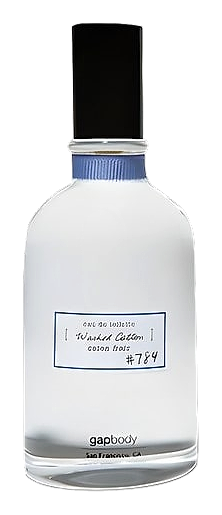

The Story
Why it exists.
The beginning
Washed Cotton No.784 arrived with a single ambition: to bottle the feeling of fabric pulled from the line still warm from the sun. Perfumer Cécile Hua approached this not as a note exercise but as an emotional one, what does 'clean' actually smell like when it stops trying to impress? The fragrance opens with that soft mineral warmth of sun-heated cotton, a scent that exists in the in-between of fresh laundry and summer air. There's no citrus fanfare here, no sharp introductory notes demanding your attention. Just immediate and gentle arrival, the kind of opening that feels like coming home to sheets you've already slept in. The cotton flower brings its powdery softness while cedar waits in the wings, adding quiet depth that keeps the freshness from floating away entirely.
The tension sits in the name itself: washed. Not fresh, not new, the softness that comes after the process. Cotton flower gives it that powdery innocence at the heart, while cedar provides the structural answer. Fresh laundry as a named note is deliberately honest, this fragrance doesn't pretend to be anything other than what it is. The synthetic classification in its accords isn't a criticism here; it's the point. The cleanest laundry doesn't smell like nothing. It smells like the act of cleaning itself, rendered in molecules. That's the paradox worth sitting with.
The evolution
The opening hits clean and airy, cotton flower leading with that sun-warmed fabric feel, no citrus fanfare, no sharp intro, just immediate and gentle. Cedar arrives to add its quiet woody depth, a grounding presence that keeps the cotton from floating away entirely. The heart unfolds as the fresh laundry accord takes over, steam-pressed, just-folded, warm in a way that reads as memory rather than material. There's something almost tactile about the way the notes layer here, cotton flower contributing its powdery softness while cedar holds steady as quiet authority. The drydown shifts the composition in subtle ways, the cotton accord fading to a whisper while cedar remains, present and warm. What lingers is that lingering sense of fabric brought in from the line, cooled by a room that's learned your smell.
Cultural impact
Gap fragrances found their place in the market as alternatives to the expected, scents for people who preferred their identity in their own hands rather than prescribed by fashion authorities. Washed Cotton No.784 continues that lineage, a fragrance for someone who chose what they liked rather than what they were supposed to want. It's the olfactory equivalent of a perfectly worn white t-shirt, not trying to be anything other than exactly what it is.
The House
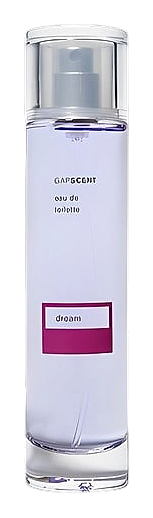
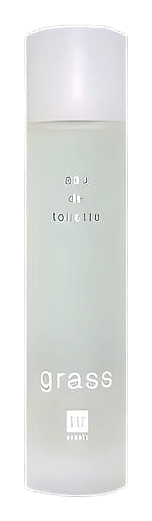
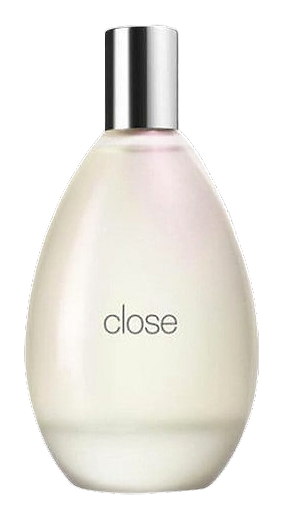
GapGap fragrances represent an iconic chapter in American fashion fragrance history, born from the casualwear retailer that defined 1990s shopping culture. The brand's scent collection captured the accessible, democratic spirit of its parent company, offering fragrances that felt intimately tied to theGap shopping experience. Rather than positioning itself within luxury perfumery, Gap brought an approachable sensibility to fragrance, making scents that evoked wardrobe staples and everyday American moments. The collection gained particular renown for its ability to trigger powerful nostalgia, with fragrances like Heaven, Dream, and Grass becoming cultural touchstones that fans still seek decades later. Gap fragrances occupy a distinctive niche in perfume history, neither high-end niche nor drugstore basic, but something uniquely aligned with mall culture and mid-range American retail at its peak.
The Creator
Cécile HuaCécile favors natural materials and technical innovation. She pioneered the first natural passion fruit extract in perfumery using a proprietary CO2 extraction technique, a testament to her willingness to push boundaries in ingredient development.