The Story
Why it exists.
The beginning
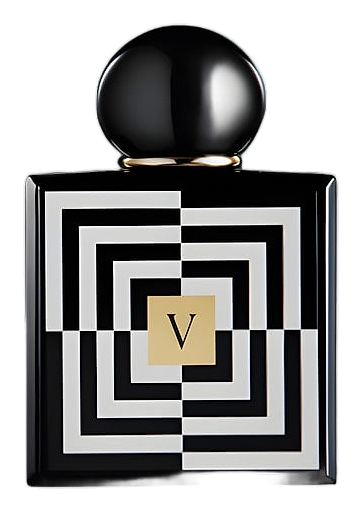
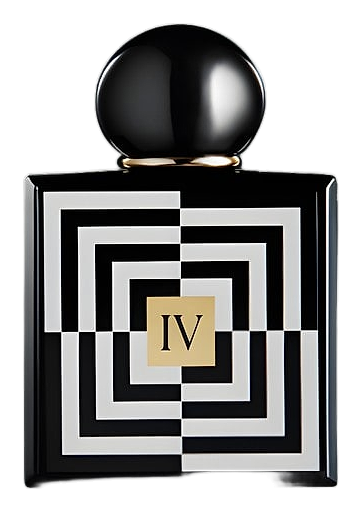
From Roman marble to skin-warm intimacy. The name comes from Latin, beloved, cherished, held close. It was Numero IV in the Roman Collection before that title felt too cold, too conceptual. The rename was deliberate: a numbered sequence had no business staying anonymous when the scent itself was so unmistakably about warmth, closeness, the thing you reach for at the end of the night. Bergamot and pink pepper open with an almost effervescent brightness before Bulgarian rose takes over the heart, settling into a base of oud, vanilla, and amber that stays close for hours.
The note structure works because it borrows from opposite ends of the spectrum. Oud brings weight and history, the kind of material that's been coveted for centuries. Rose brings softness, accessibility, and just enough florality to keep the oud from becoming austere. Vanilla and amber smooth everything down, creating a warm skin effect that feels less like wearing a fragrance and more like wearing skin that happens to smell incredible. The Kashmiri musk bridges heart and base, keeping the transition fluid rather than abrupt.
The evolution
Bergamot and pink pepper arrive first, bright, with a slight pink-berry edge that gives the opening a lively quality rather than a sharp citrus one. That initial sparkle lasts about twenty minutes before the Bulgarian rose takes over, blooming slowly into the heart. This is not a rose that announces itself. It's a rose that settles in, confident enough to let the citrus fade first. The base arrives quietly around the forty-minute mark: oud that doesn't shout, vanilla that cushions, amber that glows. The Kashmiri musk makes the whole composition feel skin-close, almost intimate. By hour three, this is the scent of someone who didn't try too hard. Just enough. Eight to ten hours in, it settles into a warm residual note, musky, faintly vanillic, still present on fabric the next morning.
Cultural impact
The oud-vanilla-amber combination is familiar territory in niche perfumery, the reliable backbone of the Western oriental. What sets Amatus apart is the Bulgarian rose and Kashmiri musk, which soften the composition into something powdery and approachable rather than dense and animalic. It's the kind of fragrance that divides opinion: some find it too familiar, others find it exactly right. The strong longevity and sillage mean it asks something of the wearer, this is not a quiet background scent. It's present, confident, and reaches for warmth without apology.