The Story
Why it exists.
The beginning
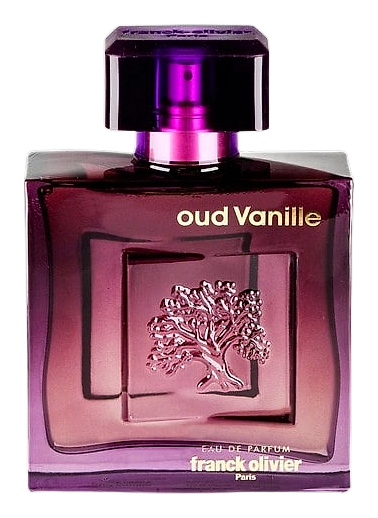
Oud Vanille was born from the intersection of two perfume cultures, French elegance and Middle Eastern richness. The name says it all: oud and vanilla, the two materials that bridge both worlds. Franck Olivier built the house on this duality, and this fragrance is its clearest expression.
What makes this composition work is the counterweight. Caramel and raspberry give it sweetness, but labdanum and benzoin pull it back toward resinous warmth. The vanilla doesn't sit on top like a dessert; it sinks into the base and anchors everything else. It's sweet without being one-dimensional, warm without being heavy. That's a balance many oriental fragrances miss.
The evolution
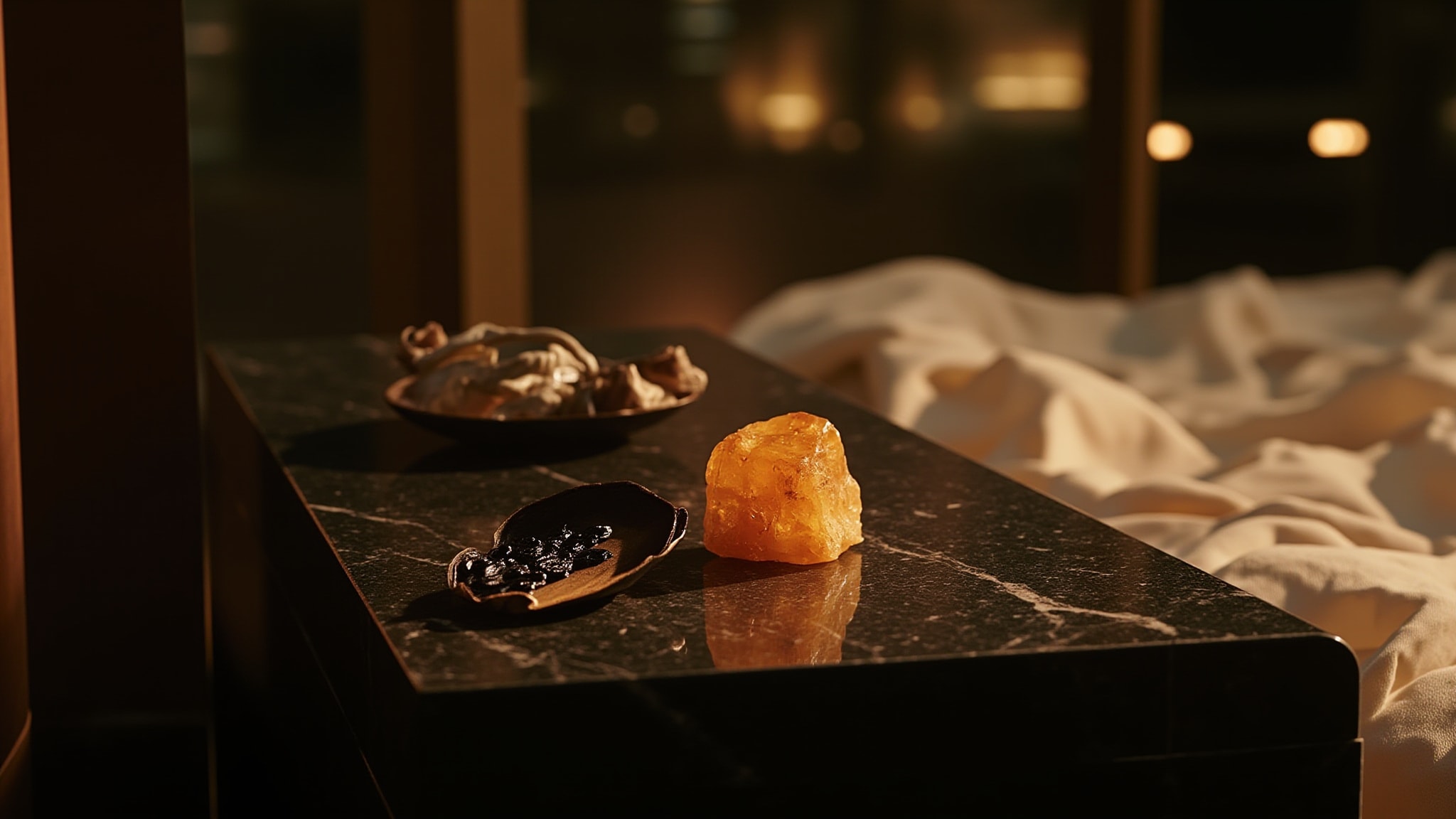
The first 30 minutes announce everything. Caramel, raspberry, orange, sweet, bright, unmistakable. This is not a quiet opening. The heart arrives gradually, sandalwood and cedar taking over the sweetness while rose and patchouli add complexity underneath. By hour three, the woody base dominates: labdanum, vanilla, benzoin. The composition shifts from sweet to warm. From playful to resinous. The drydown is where Oud Vanille earns its reputation. Three to four hours in, the caramel smooths into something deeper, the rose softens to a whisper, and the overall effect is less a single note and more an enveloping warmth. On fabric, the labdanum can linger into the next day. That's the tell: when you catch it the morning after, it still smells intentional. Not faded. Just settled.
Cultural impact
Oud Vanille has become a signature for those who want oriental richness without the typical price barrier. Released in 2017, it found its audience through word-of-mouth, wearers describing it as the scent of someone who walks into a room and doesn't need to announce themselves. Its sweet-smoky character appeals to both Western and Gulf markets, positioning it as a bridge fragrance in the most literal sense.