The Story
Why it exists.
The beginning
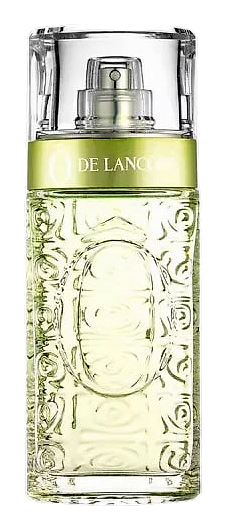
Robert Gonnon designed O de Lancôme in 1969 for a woman who wanted something bright and alive. The name itself is an exclamation, that moment of joyful breath. Gonnon built it on a foundation of citrus oils that felt modern for the era, then grounded everything in aromatic herbs and classic chypre materials. It was Lancôme's answer to a changing world: confident femininity without the heavy florals that had dominated the decade before.
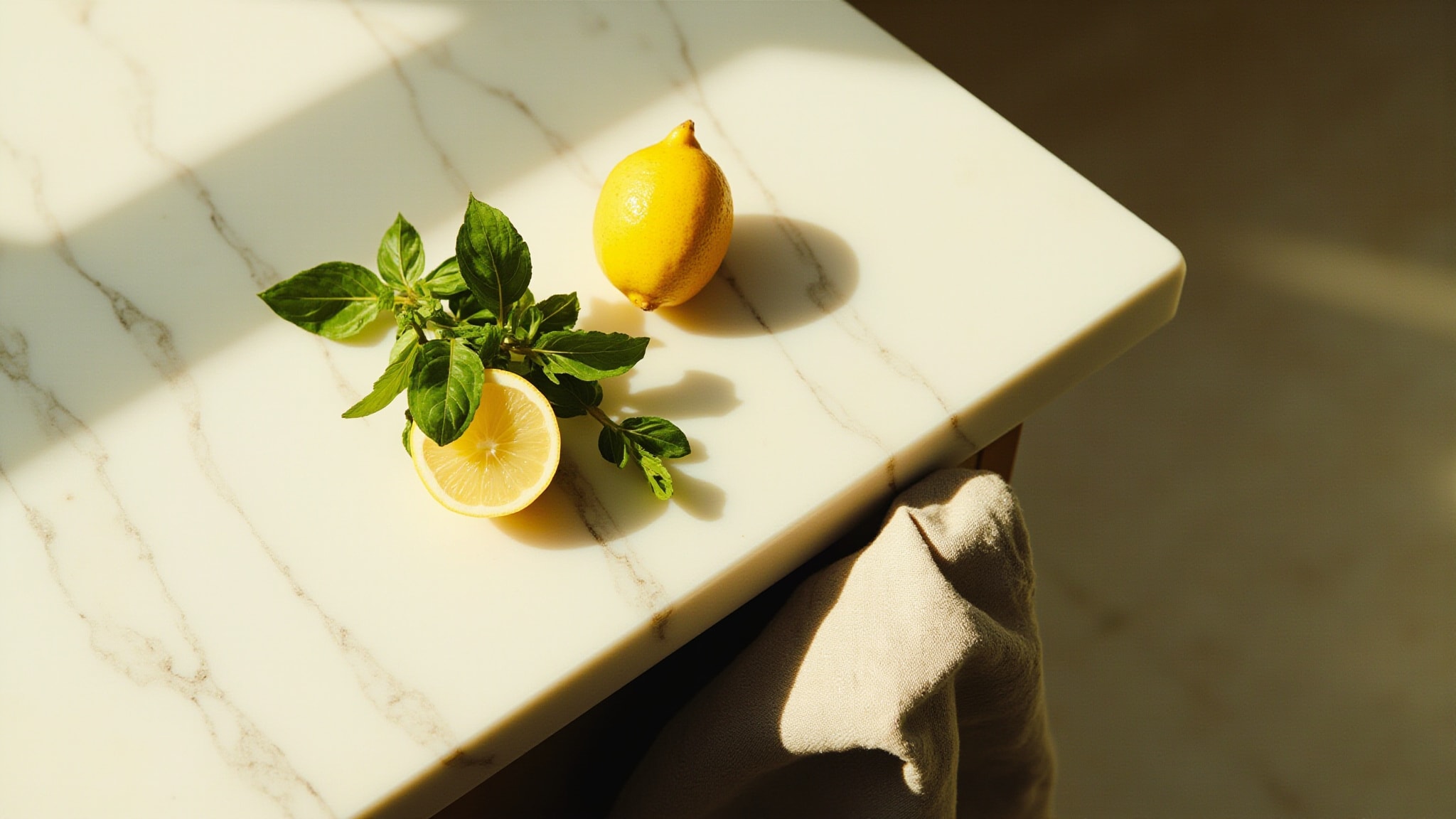
What makes the structure interesting is the counterpoint. The top blazes with lemon, bergamot, and mandarin orange, bright, almost translucent. But the heart brings basil and rosemary, herbs with an almost savory quality that prevent the whole thing from floating away. Coriander adds a subtle spice. Jasmine lifts without sweetening. Then the base anchors everything in oakmoss, vetiver, and sandalwood. It's a chypre built for people who want depth but refuse to weigh themselves down.
The evolution
The opening arrives fast. Lemon and bergamot hit first, so sharp they feel almost translucent. Mandarin orange adds a sticky-sweet counterpoint within minutes. The honeysuckle emerges as the citrus fades, softening everything into something rounder and more floral. Then the herbs take over. Basil and rosemary arrive with an herbal, almost savory quality that changes the conversation entirely. Coriander adds a whisper of spice. Jasmine keeps it feminine without pushing sweetness. The base is where it earns its age: oakmoss giving that classic chypre earthiness, vetiver adding a smoky mineral edge, sandalwood softening everything into a creamy drydown that stays close to the skin for hours. On fabric, it lasts into the next day, a faint ghost of citrus and moss. On skin, it evolves from sunny to sophisticated in a single wearing.
Cultural impact
O de Lancôme has been in continuous production since 1969, over five decades of uninterrupted wear. That's not nothing. It's one of those fragrances that shaped what French feminine perfumery could be: fresh but not casual, sophisticated but not precious. The citrus-herb-chypre structure became a template. It doesn't shout. It doesn't need to.