Robert Gonnon
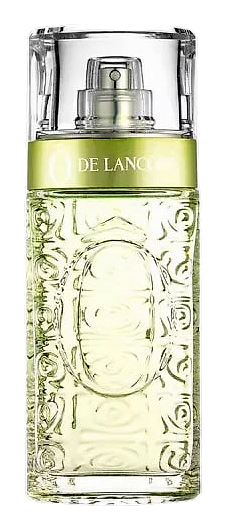
Robert Gonnon entered the perfume world in the late 1960s, fresh from a chemistry program at the Institut Français de la Parfumerie. He spent seven years mastering the language of aroma under the mentorship of senior noses at a leading French house. In 1969 his first major success arrived: the luminous “Ô de Lancôme,” a composition that captured the optimism of the era and secured his place among the industry’s rising talents. The launch earned him a permanent studio and a reputation for turning fleeting impressions into polished scents. Over the next decades he collaborated with several luxury houses, guiding new collections while mentoring younger perfumers. His career reflects a blend of scientific rigor and artistic curiosity, a balance that still defines his work today.
The hits
Notable creations
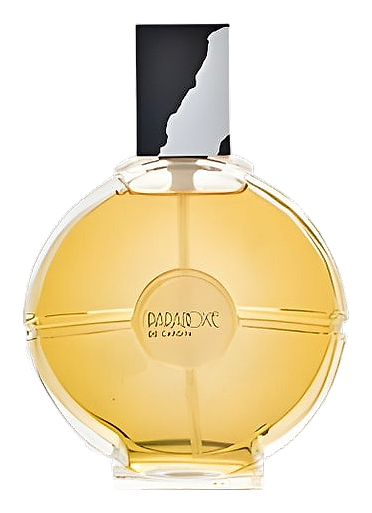
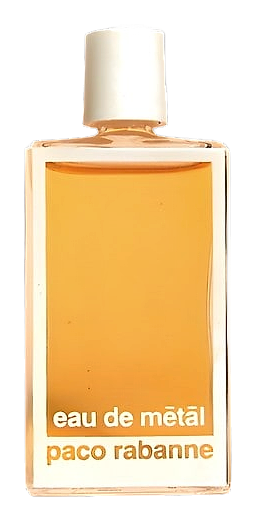
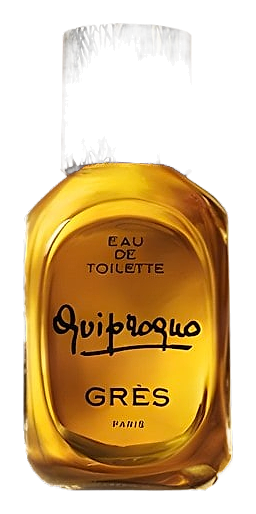
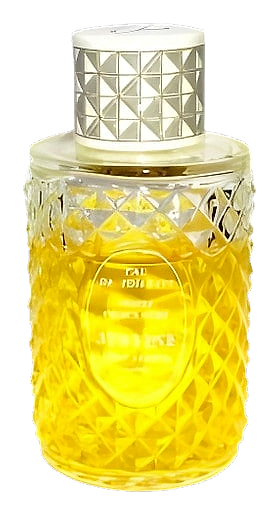
The signature
How Robert composes
Robert Gonnon favors classic building blocks, citrus top notes, crisp green accords, and warm amber bases, yet he injects unexpected twists through rare botanicals. He often incorporates French lavender, Tunisian orange blossom, and a hint of Indian sandalwood, creating depth that unfolds on the skin. His technique relies on precise temperature control during maceration, ensuring volatile ingredients retain their brilliance. Gonnon prefers natural extracts when they align with the brief, but he does not shy away from synthetics that add clarity or longevity. The result is a scent that feels both timeless and immediate, a signature that collectors recognize by its balanced elegance.
Philosophy
What drives Robert
Robert Gonnon treats each brief as a conversation with memory. He begins by isolating a single note that evokes the story the client wishes to tell, then builds layers that support rather than overwhelm it. He believes that a fragrance must respect the wearer’s skin, allowing the scent to evolve naturally over hours. For Gonnon, the act of blending is a disciplined experiment: he records every proportion, revisits the formula after a night’s rest, and adjusts until the composition feels honest. His drive comes from a desire to translate emotion into scent without artifice, letting the chemistry speak for itself.
The houses
Maisons Robert composes for
In the same league