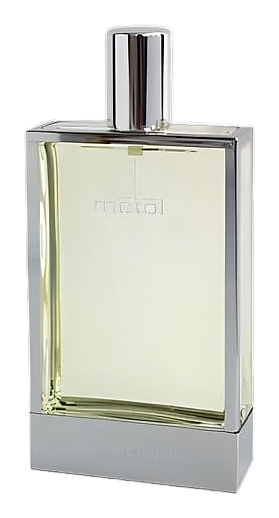

The Story
Why it exists.
The beginning
In 1979, Robert Gonnon created Metal for a house already known for making fashion that shocked. Metal the fragrance didn't shock. It shimmered. The name connected to Rabanne's chain-mail heritage, the idea of something precious and industrial at once, but the juice itself moved differently. It was bright, green, aldehydic. A 70s chypre refracted through Paris fashion sensibility. Gonnon gave it a citrus and aldehyde opening that hit with immediate clarity, then layered white florals underneath until the whole thing felt like light catching glass. Not a statement fragrance. A considered one.
What makes Metal unusual is its balance of aldehydic lift against green earthiness. Most aldehydic florals go soapy or powdery. Here, basil and green notes keep things sharp, almost herbal, while hyacinth adds a narcotic sweetness that borders on being too much, until the oakmoss and vetiver base pulls it back. The heart is dense with tuberose and ylang-ylang, but they never overwhelm because the structure keeps everything in conversation. It's a composition that trusts its own architecture.
The evolution
The first minutes are aldehydes and green, a flash of citrus, basil, the cool smell of crushed stems. Then the florals push through. Ylang-ylang and rose bloom alongside hyacinth, turning the brightness into something richer, almost creamy. The aldehydes don't disappear. They stay in the background, adding a metallic sheen that keeps the florals from going soft. Three hours in, the drydown arrives: sandalwood, musk, oakmoss. Vetiver brings an earthy bitterness that grounds everything. On fabric, it lasts until the next morning, faint, clean, still green.
Cultural impact
Metal arrived at the tail end of an era when bold, room-filling fragrances dominated. Instead of competing on projection, it offered something more subtle: aldehydic green florals that worked close to the skin. The reception has been quietly consistent, appreciated for what it is rather than what it tries to be. It's not a crowd-pleaser in the traditional sense. Those who connect with its 70s chypre structure tend to connect deeply.
The House
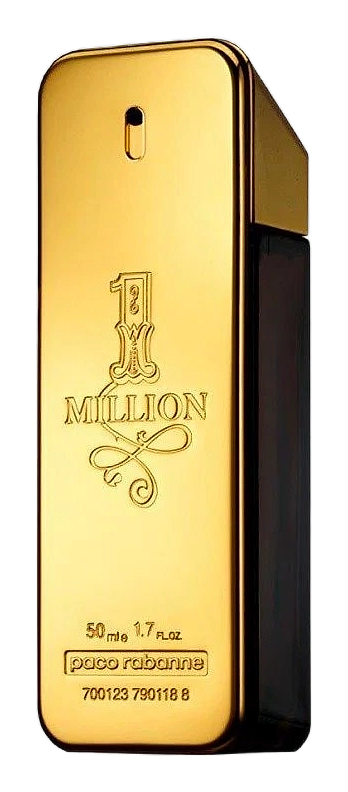
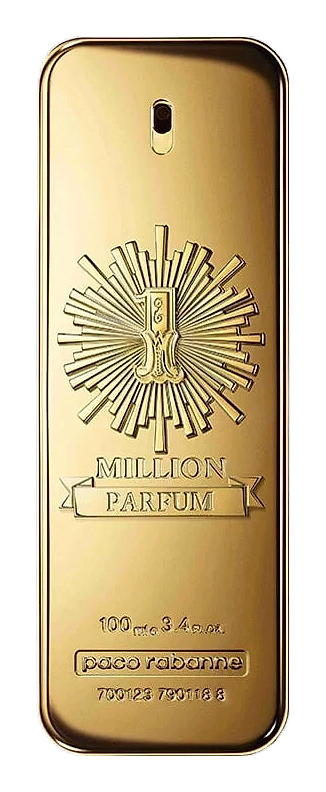
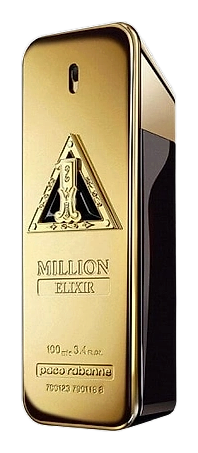
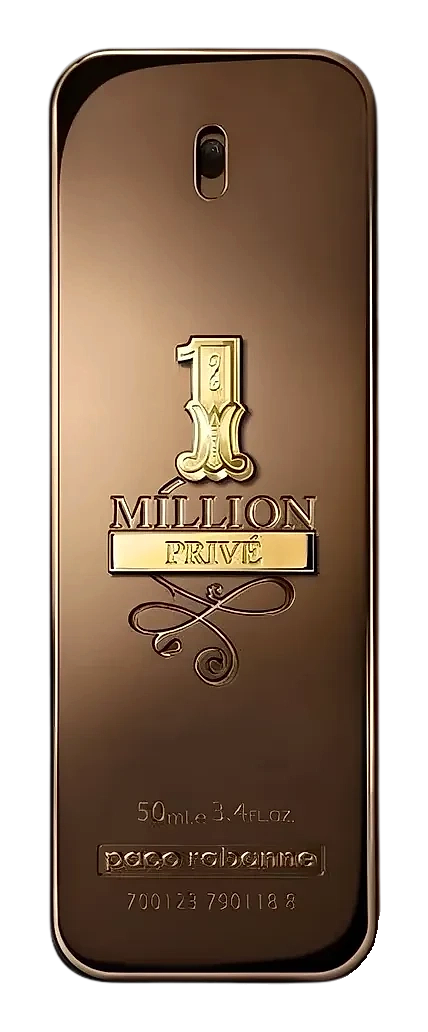
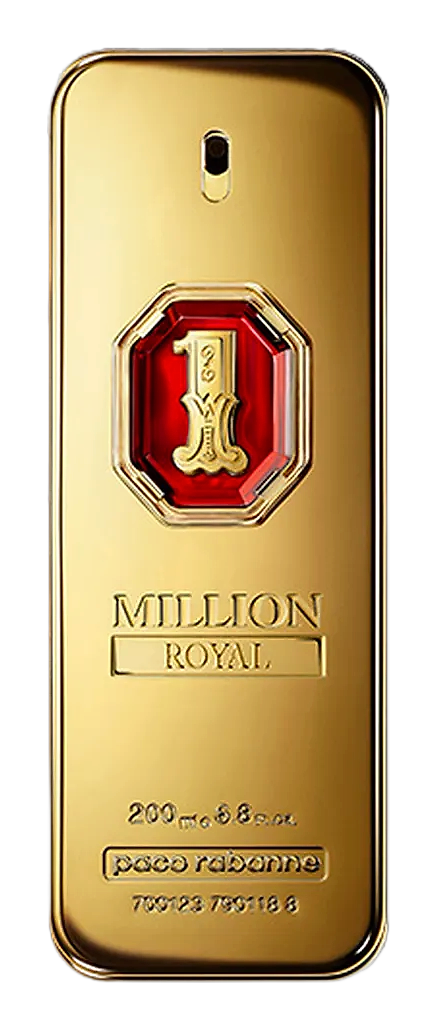
RabanneRabanne is a Paris-based fashion and fragrance house founded by Spanish-born designer Francisco Rabaneda Cuervo, known professionally as Paco Rabanne. The house established itself in perfumery through a partnership with Spanish fragrance company Puig, beginning with the 1969 launch of Calandre. The brand's olfactory identity draws from its fashion heritage: architectural construction, metallic materials, and provocative design language that challenged 1960s fashion conventions. Rabanne built a portfolio of over 85 fragrances spanning multiple decades, from aldehydic florals and aromatic fougeres to orientals and fresh aquatic compositions. The house's gold ingot-shaped bottle for 1 Million (2008) became one of the most recognizable fragrance silhouettes in global retail. Nadia Dhouib was appointed General Manager in April 2022 after serving at Galeries Lafayette, tasked with unifying the brand's fashion and fragrance voices and expanding audience reach. In mid-2023, the house rebranded from Paco Rabanne to simply Rabanne, completing that consolidation.
The Creator
Robert GonnonRobert Gonnon favors classic building blocks, citrus top notes, crisp green accords, and warm amber bases, yet he injects unexpected twists through rare botanicals. He often incorporates French lavender, Tunisian orange blossom, and a hint of Indian sandalwood, creating depth…