




Heritage
A house, in its own words
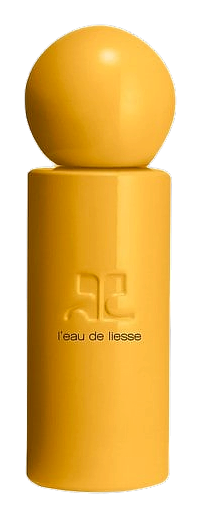
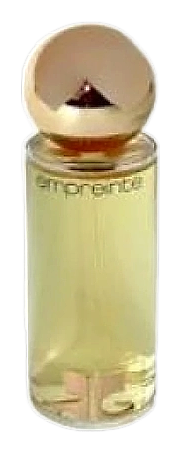
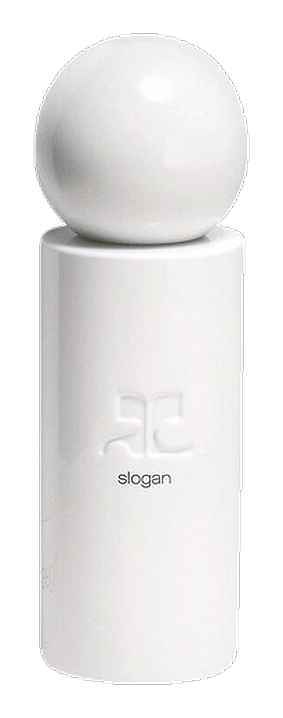
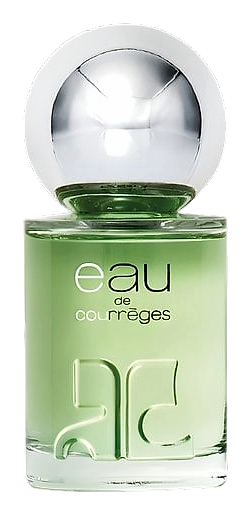
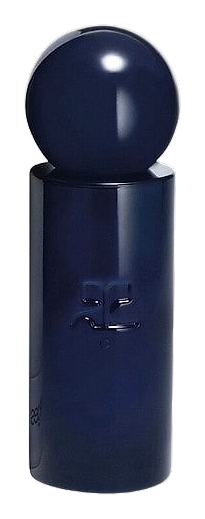
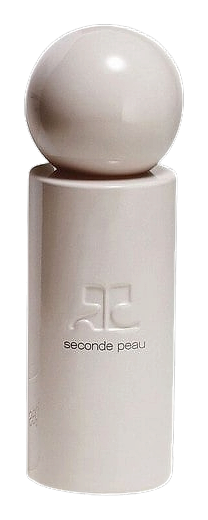
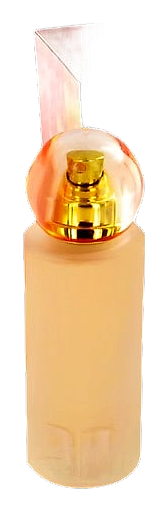
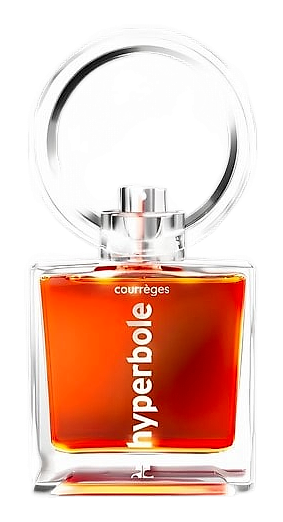
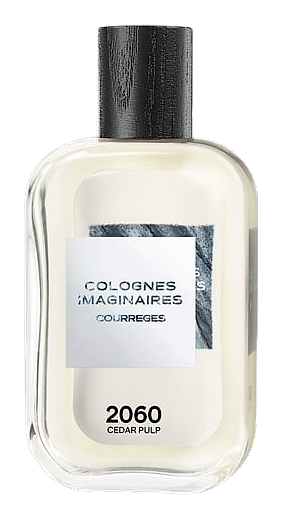
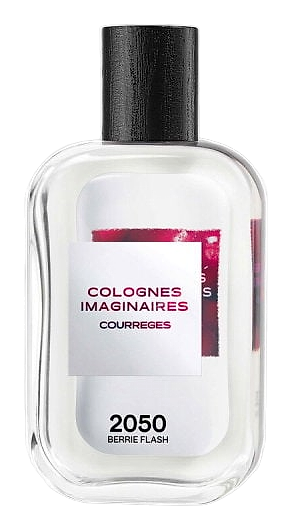
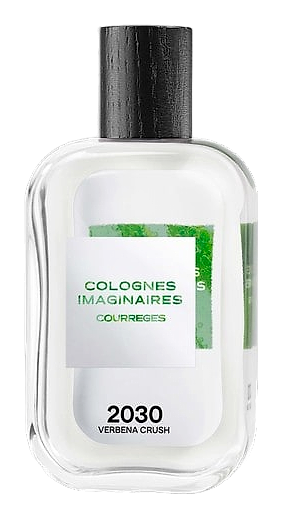
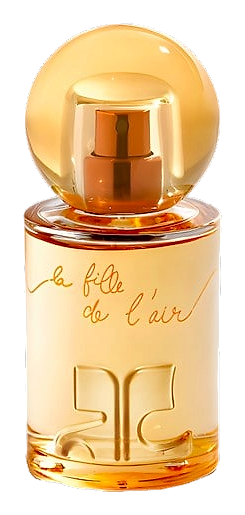
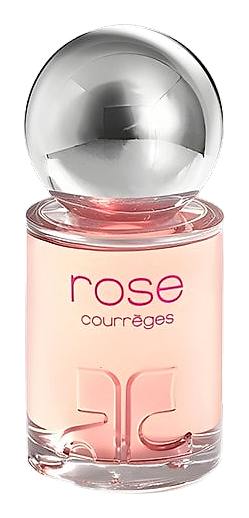
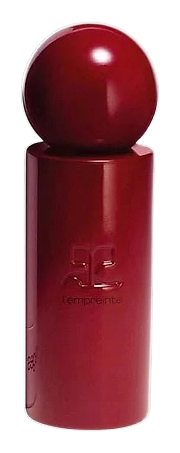
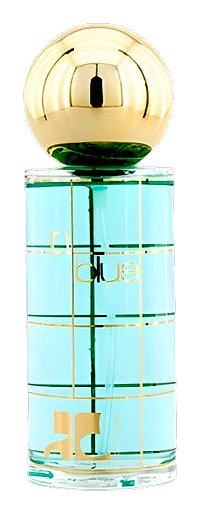
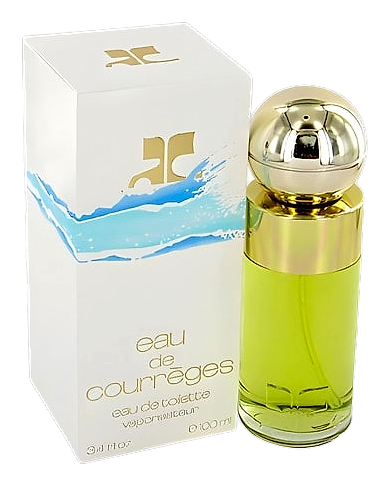
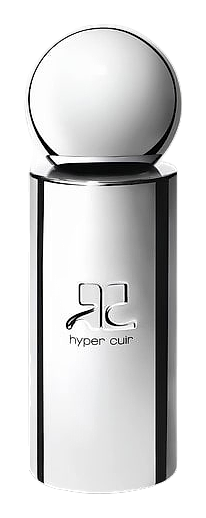
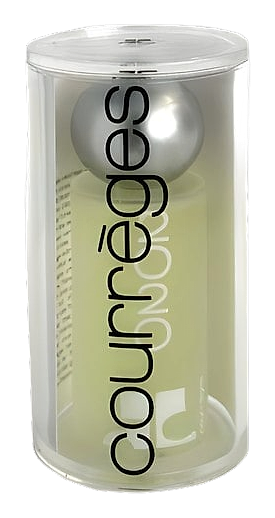
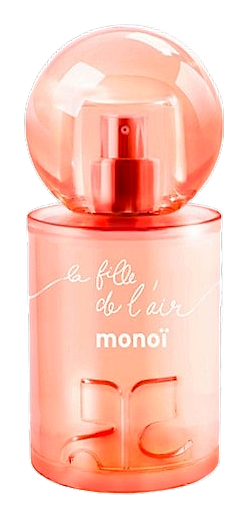
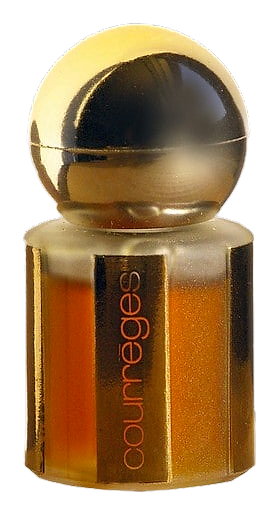
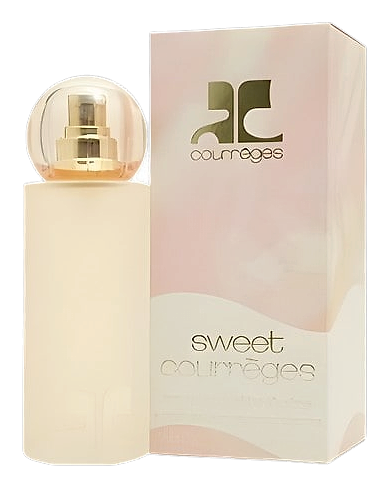
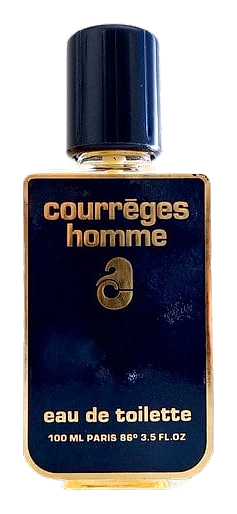
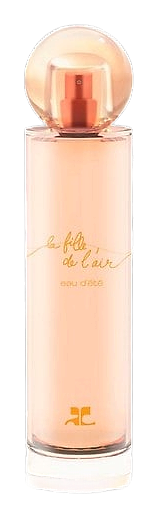
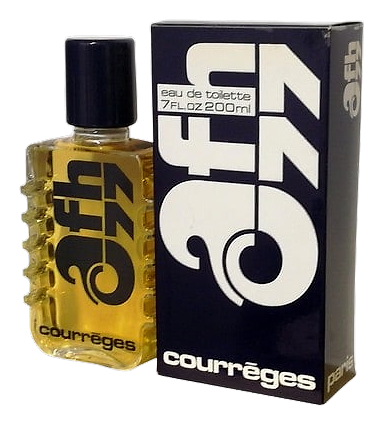
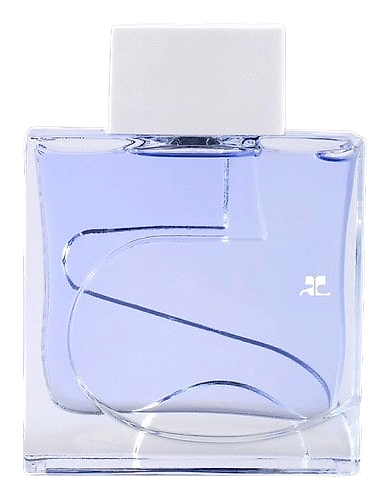
André Courrèges opened his Maison de Couture in Paris in 1961 alongside his wife Coqueline Courrèges, with backing from Marcel Leyrat. Both had trained at Balenciaga, and André's early couture introduced the clean-lined, modernist silhouettes that would define the house. He is widely associated with the Space Age look: white boots, mini skirts, and a youthful, futuristic energy that broke with the formality of mid-century French fashion. The brand moved into fragrance in 1971 with Empreinte, its debut women's scent, followed in 1974 by the bolder Parfum extract Amerique de Courreges. Men's fragrance arrived in 1977 with the launch of Courrèges Homme and the contemporary Eau de Courreges, both signed by Gérard Anthony. The early 1980s brought Courrèges in Blue, and 1993 delivered the Sweet Courreges duo. After years without major launches, the house returned to fragrance with intent. La Fille de l'Air debuted in 2015, followed by Hyperbole in 2016 and a refreshed La Fille de l'Air Iris in 2017. The Colognes Imaginaires series, including Wild Ocean in 2019 and 2060 Cedar Pulp in 2020, marked a new creative chapter. More recently, L'Eau de Liesse (2022), Hyper Cuir (2023), and Hyper Iris and L'Eau Pâle (both 2024) extended the lineup. Since late 2017, Courrèges has been owned by Artemis, the Pinault family's investment firm. Courrèges perfume carries the same convictions that shaped André Courrèges' couture: modernity, movement, and a belief in clean, architectural beauty. The scents are built to feel light, fresh, and wearable, with an underlying structural precision that nods to the house's fashion roots. The brand treats fragrance as a wardrobe rather than a trophy. Collections like Colognes Imaginaires imagine scents as imaginative, story-driven compositions, while the Hyper series explores amplified, more concentrated takes on classic themes such as iris, leather, and powder. Reissues, including the 2021 return of Empreinte, anchor the present to the past without nostalgia becoming the point. There is a sense of optimism running through the line. Whether through airy green florals, marine accords, or sheer musks, Courrèges scents aim to capture a feeling of motion, daylight, and possibility. The house invites wearers into a forward-looking French sensibility, one where fashion and fragrance speak the same language of restraint, proportion, and quiet confidence.