The Story
Why it exists.
The beginning
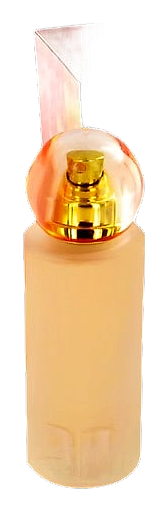
Courrèges has always been about the future, clean lines, white boots, the moon landing era reimagined as fashion. Sweet Courreges, composed by Francis Camail and launched in 1993, took that futuristic DNA and turned it sideways. Not cold. Not architectural. Warm. Powdery. A fragrance that wore the house's precision but softened every edge.
The aldehydes are the tell. Not the sharp, industrial aldehydes of earlier decades, something rounder here, cushioned by peach and orange blossom. Then the white florals arrive and everything becomes about texture: the softness of powder pressed into warm skin, the velvet of tuberose without the sharpness that usually comes with it. Camail understood that 1993 was ready for glamour that didn't perform.
The evolution
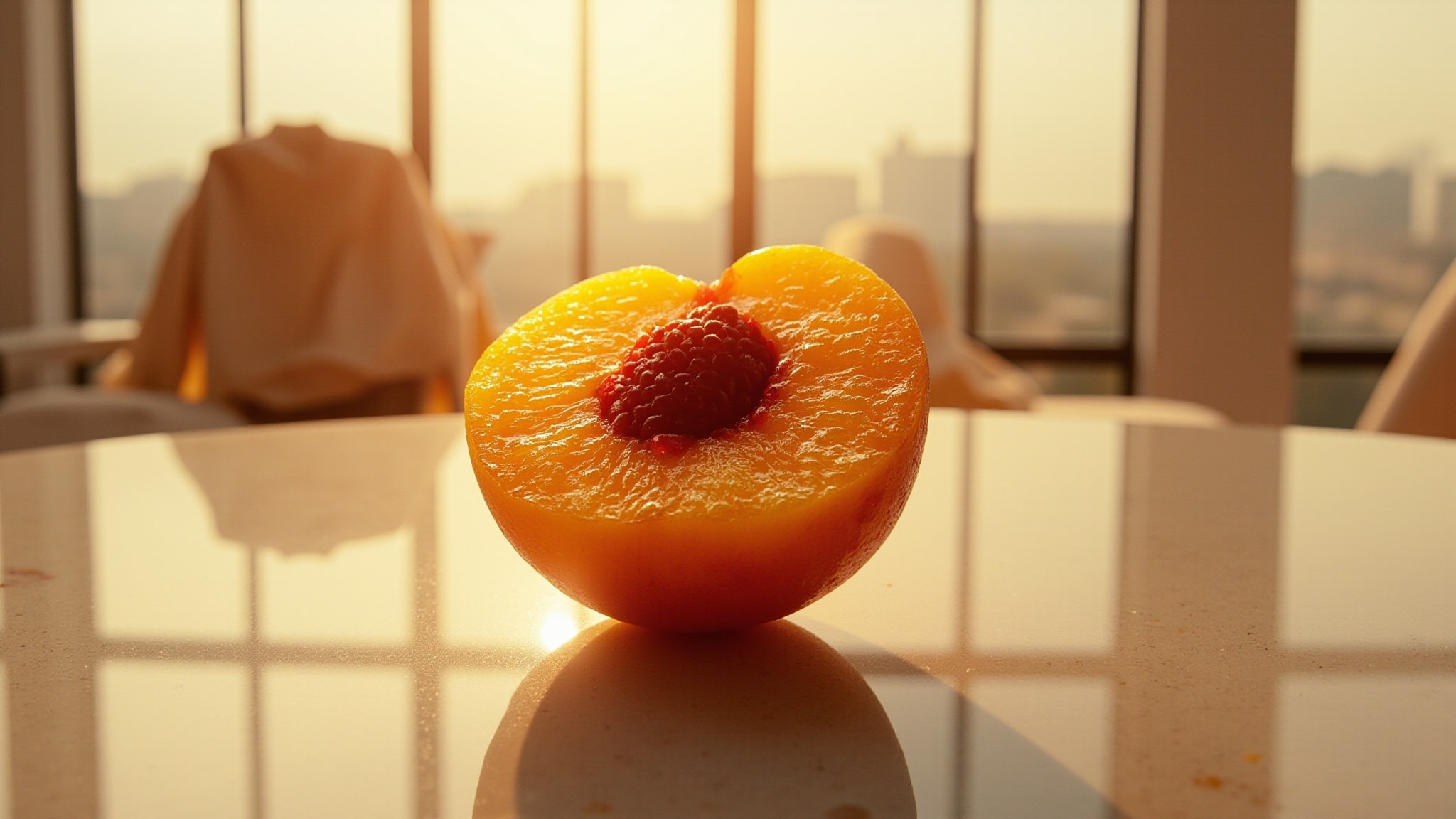
The opening hits bright and effervescent, aldehydes sparkling against citrus, the peach sweet without ripening into jam. Twenty minutes in, the florals take the stage. Tuberose leads, but it's the orris root that keeps everything grounded, powder-dry. By hour three, the vanilla and benzoin have crept in, warm, resinous, slightly animalic. The civet doesn't announce itself. It lingers. Eight to ten hours later, on fabric, there's still something skin-close and warm. On some people, it becomes almost a second skin, softer the next morning, a memory rather than a statement.
Cultural impact
Sweet Courreges sits in an interesting pocket, too sweet for those who wanted the architectural coldness of early Courrèges, too aldehydic for those arriving fresh to the house. It became a cult favorite for precisely those contradictions. The aldehydic-floral-powdery trifecta places it in conversation with classics like Chanel No. 5 and Givenchy's Ysatis, though Camail gave it a rounder, fruitier opening that distinguished it from its contemporaries.