The Story
Why it exists.
The beginning
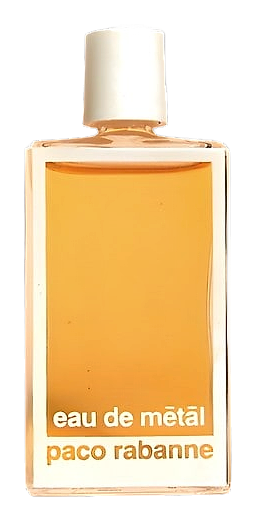
Robert Gonnon created Metal in 1979, a fragrance that took the brand's metallic fashion language and translated it into scent. Seven years later, Gonnon returned to that same architectural concept and asked a simpler question: what if it breathed easier? Eau de Metal arrived in 1986 as a fresher, lighter counterpart, same structural logic, less weight on the wearer's skin. The aldehydes stayed. The oakmoss stayed. The intent stayed. Just less of everything, so more of the fragrance could exist in the air.
Aldehydes are the defining material here, waxy, metallic, almost fizzy compounds that give certain fragrances their signature lift. Combined with oakmoss in a chypre structure, they create tension: the aldehydes push upward, bright and insistent, while the moss pulls down into earthiness. The florals sit between these forces, adding softness without dissolving the architecture. It's a composition built on contrast, which is exactly what the brand's philosophy demands.
The evolution
The opening arrives crisp and almost electric. Citrus brightness cuts through the aldehydes like light catching steel, that initial shimmer that doesn't apologize for being noticed. Within minutes, the florals soften. They're not loud, but they're present, powdery and close, keeping the aldehydes from feeling cold. The oakmoss announces itself slowly, grounding the brightness into something earthier. By the mid-stage, the composition has settled into a warm, close-wearing heart. This is where it lives for most of its time on skin, intimate, not projecting far, but refusing to disappear. The drydown is all musk and powder, a quiet warmth that lingers for hours after the florals have faded.
Cultural impact
Eau de Metal exists in the lineage of Rabanne fragrances that take the brand's metallic fashion language and make it wearable. For those exploring aldehydic chypres, a category defined by bold contrasts between bright opening notes and deep, mossy bases, this offers a more accessible entry point than the 1979 original.