
The Story
Why it exists.
The beginning
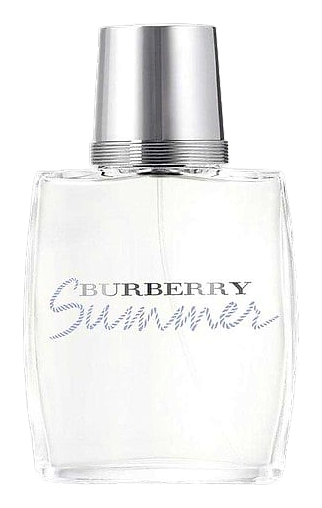
Burberry had built an empire on keeping the British elements at bay, gabardine, trench coats, that icon's quiet authority. By 2007, the house had already established its fragrance identity across multiple flankers and limited editions, each one a different fragment of the brand. The scent is green, aquatic, and unexpectedly tropical. The mint opens cold. The pineapple arrives warm. The tension between those two sensations is the whole point.
The note structure is deceptively simple, six ingredients, listed cleanly, but the execution hinges on how they behave together on skin rather than as isolated elements. Caraway brings a faint anise-like spice that sits between mint's cool and pineapple's sweetness, creating a middle path that keeps the fragrance from reading as purely fresh or purely tropical. The tonka bean in the base acts as a bridge: warm, faintly vanillic, but restrained enough not to tip the composition into dessert territory. Cedar anchors everything with a dry woody character that becomes more apparent as the mint fades, giving the drydown a masculinity that the opening only hints at.
The evolution
The opening announces itself quickly: mint, bright and almost medicinal in its clarity, backed by a whisper of citrus that barely registers before the pineapple takes over. Within fifteen minutes, the tropical character expands and softens the mint, pushing it into more of a cool-warm balance than a pure fresh opening. The heart settles around the thirty-minute mark, pineapple stays dominant but caraway's spice and musk's texture come forward, giving the mid-section a weight that the opening promised but didn't quite deliver. By the second hour, mint has nearly vanished, replaced by the tonka-cedar base that carries the remainder of the wear. The drydown is where this fragrance earns its reputation: six to eight hours of a warm, quietly woody musk that stays close to the skin but never fully disappears. On fabric, it lingers longer, detectable on a shirt collar the following morning as a faint sweet-woody trace, softer and more resolved than when it first landed.
Cultural impact
A limited-edition release from 2007, Burberry Summer for Men occupies an interesting position within the brand's broader fragrance portfolio, neither a core pillar nor a forgotten experiment. The mint-pineapple opening stands apart from the house's other offerings. Its green-aquatic character places it firmly in the summer fragrance tradition, though the woody-musky drydown gives it year-round flexibility that pure aquatics rarely achieve. Discontinued now, it has maintained a following among those who encountered it during its brief window of availability.