Mirabilis
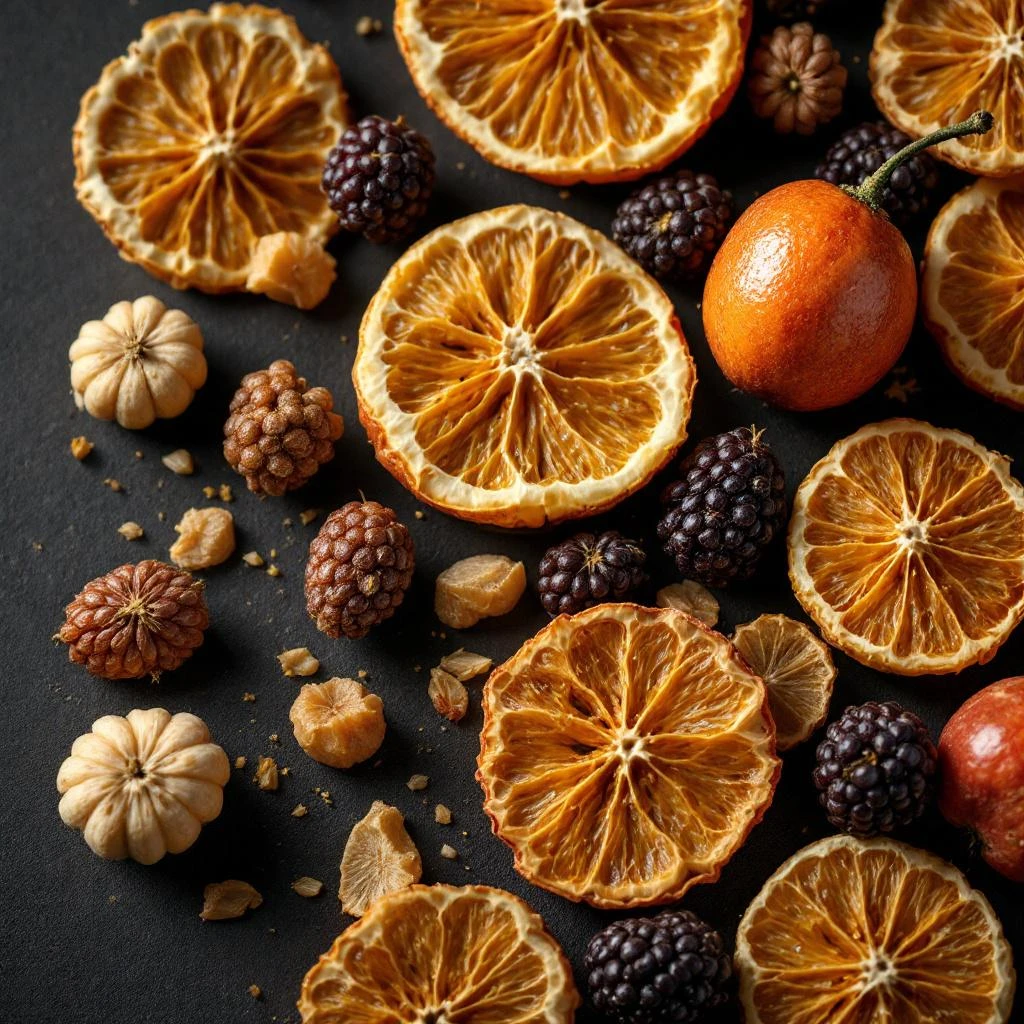
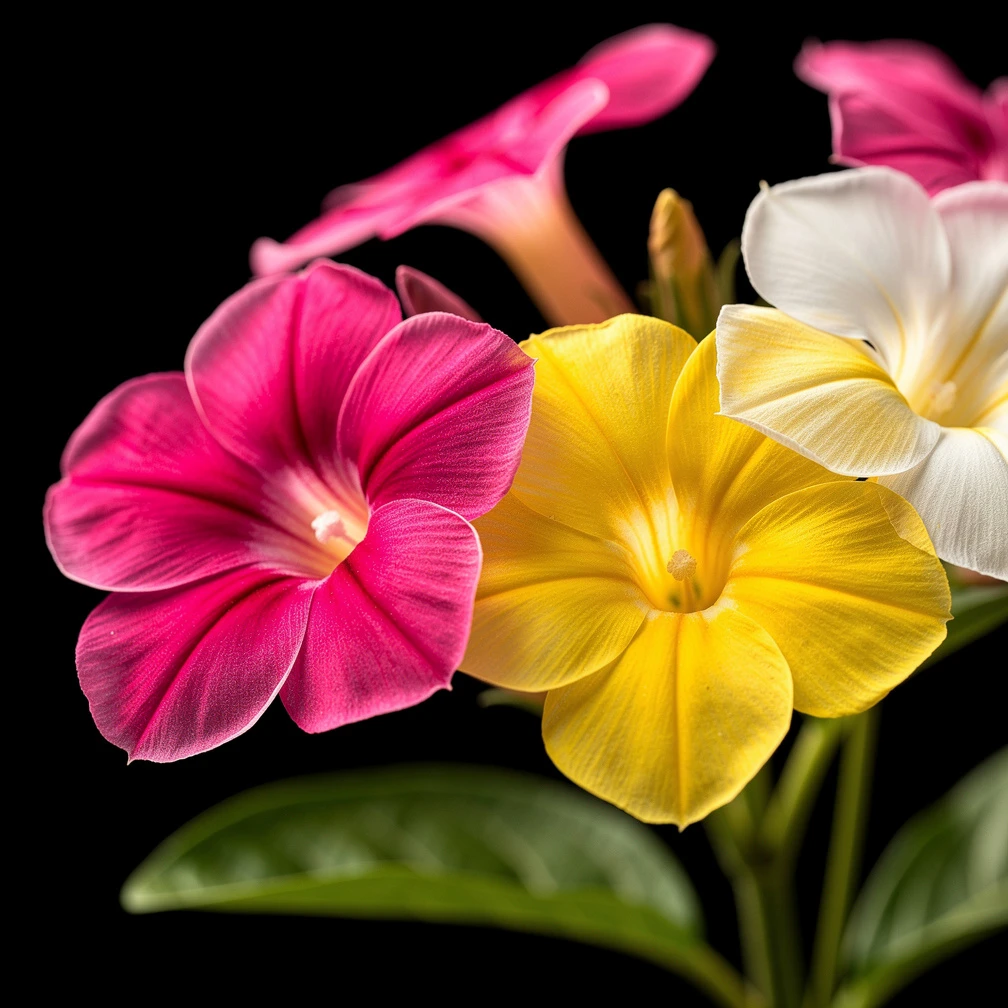
Mirabilis jalapa, known as the four oclock flower, yields a rare floral absolute with intense nocturnal jasmine-like warmth. Its honeyed, almost coconut sweetness sets it apart from conventional florals, creating enveloping heart notes in fine fragrance. The ingredient remains uncommon, prized by niche houses seeking distinctive natural materials.
Character
How it smells
When the sun sets, its fragrance rises
Each Mirabilis jalapa flower blooms for a single evening before wilting, yet the plant produces fresh blooms nightly across an entire season, yielding a rare and laborious perfume material.






Origin
Peru
Mirabilis jalapa originated in the Peruvian and Mexican highlands, where Indigenous cultures cultivated it for both ornamental and medicinal purposes. The genus name derives from the Latin for wonderful, reflecting its striking behaviour of opening precisely at dusk. Early Spanish explorers encountered the plant and carried seeds back to European botanical gardens by the mid-1500s.
The plant spread rapidly across court gardens and monastery grounds, valued for its curious nightly blooming habit and its mild hypnotic properties in folk medicine. European perfumers of the 18th century began experimenting with the flowers but found their ephemeral nature difficult to work with at scale.
The Latin species name jalapa references the colonial Mexican city of Xalapa, one of the earliest documented centres of Mirabilis cultivation outside its native range. While synthetic aromatics dominated commercial perfumery in the 19th century, Mirabilis persisted as a niche natural material, finding renewed interest among contemporary perfumers committed to rare botanicals.
Wears it best
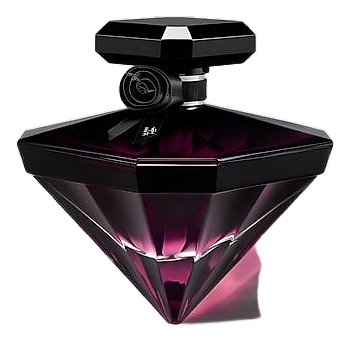
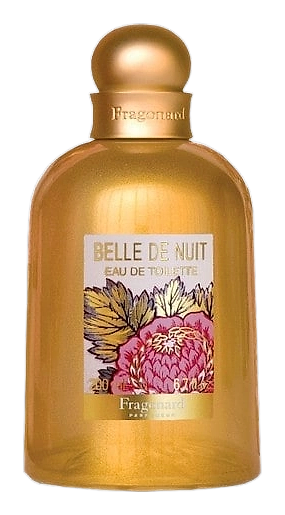
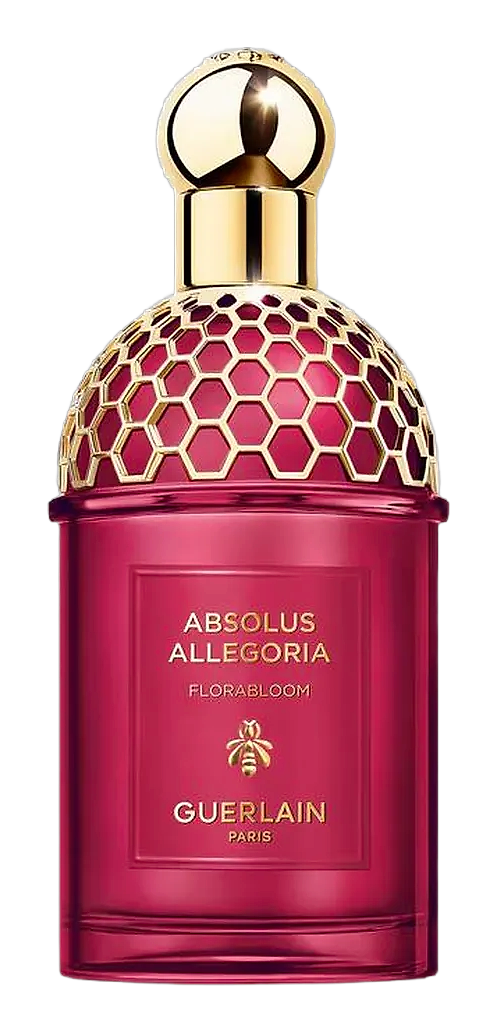
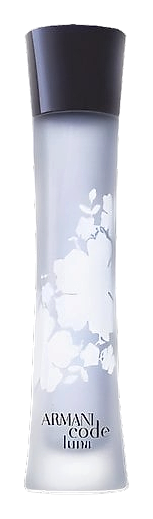
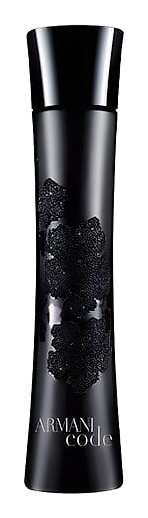
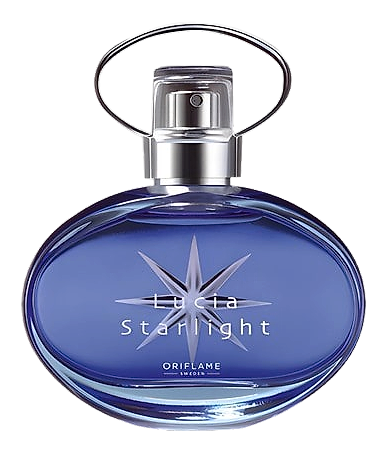
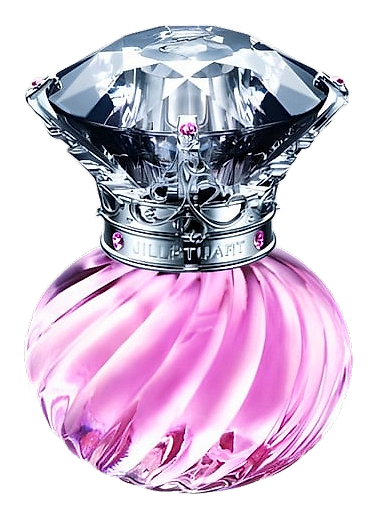
Fragrances featuring Mirabilis
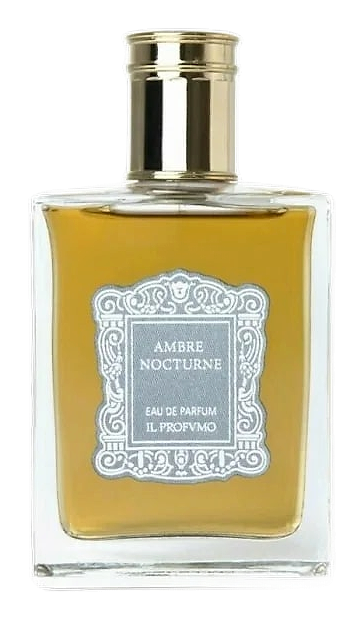
Brands
Brands known for Mirabilis
Good to know
Questions, answered
The essentials on Mirabilis in perfumery: how it smells, where it comes from, and how it behaves on skin.
What does Mirabilis smell like in perfume?
Mirabilis absolute smells like jasmine crossed with warm honey and a trace of coconut. Its nocturnal character is sweet, creamy and slightly animalic, lending an enveloping warmth when used as a heart note. The overall impression reads as soft and romantic rather than sharp or green.
Why is Mirabilis used in perfumery?
Mirabilis jalapa provides a rare nocturnal jasmine-like warmth that synthetic aromatics struggle to replicate convincingly. Natural Mirabilis absolute offers subtle honeyed and coconut nuances that distinguish compositions from those using only standard floral accords. Its scarcity also adds exclusivity to niche fine fragrances.
Is Mirabilis in perfume natural or synthetic?
Mirabilis in perfume is most commonly natural, derived from Mirabilis jalapa flowers via solvent extraction or enfleurage. Synthetic alternatives exist as a lab-produced approximation but lack the full complexity of the natural absolute. Most fine fragrance houses specify naturally sourced Mirabilis when featuring it prominently.
What famous perfumes contain Mirabilis?
No mainstream designer fragrances list Mirabilis jalapa among their dominant notes. The ingredient appears almost exclusively in artisanal or niche compositions where perfumers emphasize rare botanicals. Laboratorio Olfattivo Tiglio Mirabilis directly in its name, using linden blossom, not Mirabilis jalapa, as its floral focus.
Is Mirabilis a top note, heart note, or base note?
Mirabilis functions primarily as a heart note in perfumery. Its warm, sweet floral character develops alongside drydown rather than dissipating immediately. The material lacks the volatility of citrus or light green notes, allowing it to remain perceptible well into the mid and late stages of a fragrance composition.
What notes pair well with Mirabilis in perfume?
Mirabilis harmonizes well with other warm florals including ylang ylang, frangipani and orange blossom absolute. Deepening it with sandalwood or benzoin adds warmth and longevity. Fresh green notes or bright citruses risk overwhelming its delicate character in composition.
How is Mirabilis extracted?
Mirabilis jalapa flowers are extracted via solvent extraction or traditional enfleurage to produce a fragrant absolute. Steam distillation proves challenging given the delicate nature of the flowers and the limited volatile oil present. The extraction must occur shortly after the evening harvest to preserve fragrance integrity.
Is Mirabilis used in mens or womens fragrances?
Mirabilis absolute appears in both womens and unisex fine fragrances rather than masculine designer colognes. Its romantic, honeyed warmth suits floral-forward or skin-scent compositions. Unstructured gender labelling in niche perfumery has increased its visibility across fragrance categories.