
The Story
Why it exists.
The beginning
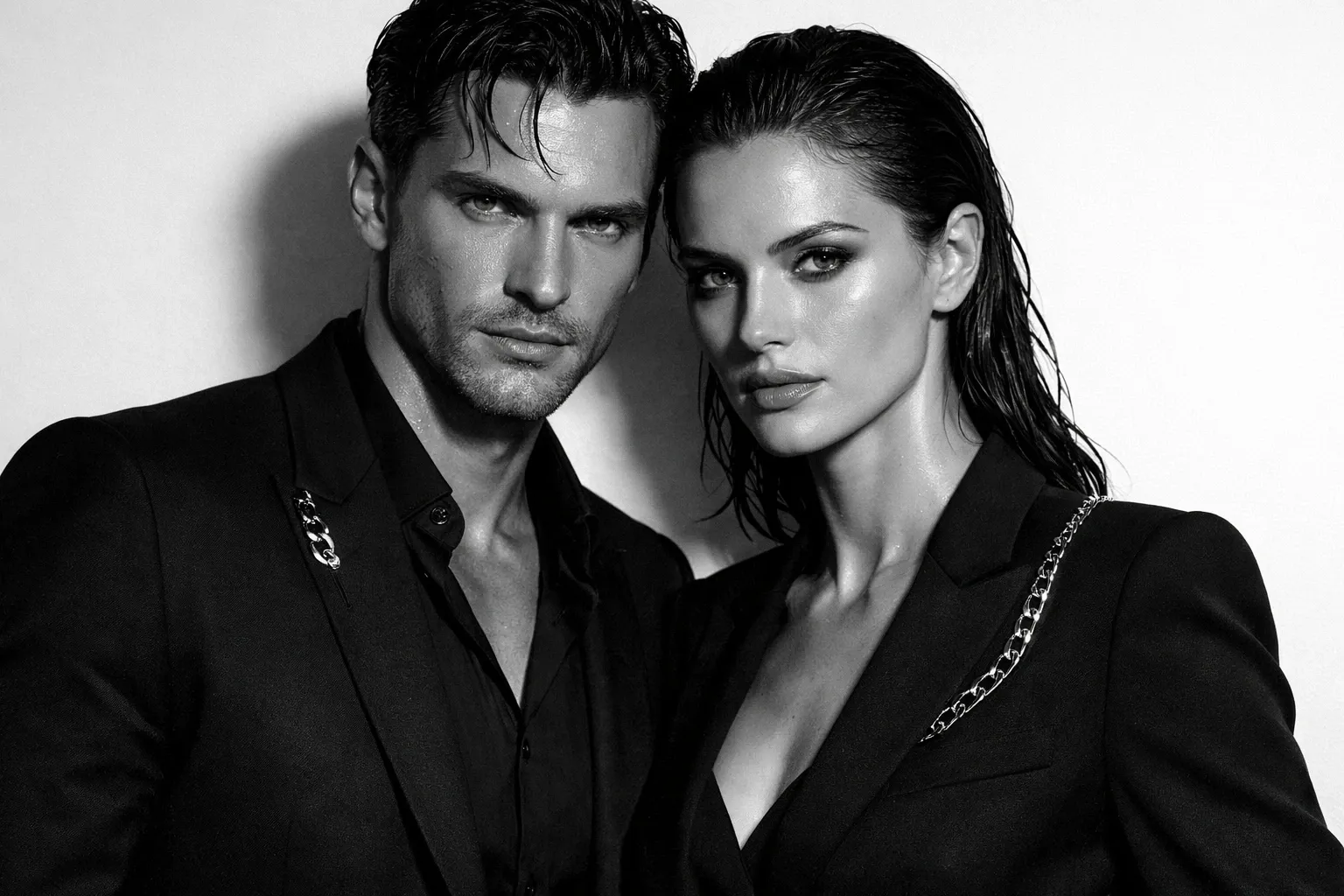
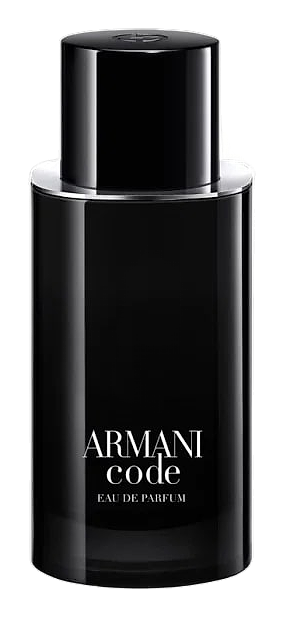
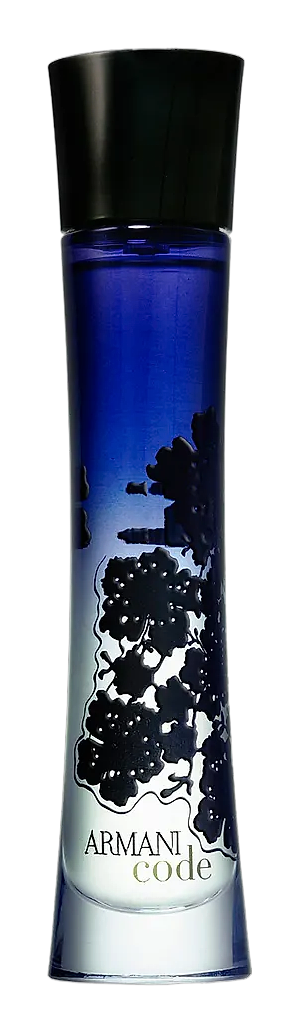
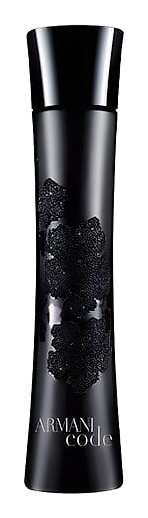
Armani Code Couture Edition arrived for the 2012 winter holiday season as a collector's statement, a limited flanker to the iconic Armani Code pour Femme, pushed into darker, more luxurious territory. The original Armani Code had always carried the vocabulary of temptation and attraction, but this edition translated that into something you could keep behind glass. The bottle is entirely black, decorated with orange blossom and lace motifs, studded with Swarovski crystals, a flacon that reads more like jewelry than fragrance. This was Armani signaling that Code was more than a signature. It was a collection.
What sets this apart from the standard Armani Code formulation isn't a single ingredient but the amplification of everything already there. The honey doesn't just sweeten, it thickens. The leather doesn't soften, it anchors. And the mirabilis in the heart is the quiet wildcard: four o'clock flower, named for its evening bloom, the perfumer's way of matching the fragrance's timing to its personality. Osmanthus adds a peachy-apricot warmth that bridges the floral heart to the honeyed base without ever letting the sweetness escape. It's composition as choreography, every note arriving precisely when the last one needs support.
The evolution
The opening is all citrus clarity: blood orange, bergamot, and a hit of fresh ginger that reads as clean heat rather than spice. Thirty minutes in, the petitgrain recedes and the orange blossom takes its place, heady, white, the kind of floral that announces itself without apology. The honey enters next, not as a note but as a texture, pooling around the leather in the base. Cedar and vanilla carry the drydown, but the leather stays. It stays on skin for hours after the florals fade, warm and animalic in a way the top notes never suggested. On fabric, it lasts until the next wash. On paper, longer.
Cultural impact
Armani Code Couture Edition arrived in 2012 as part of Giorgio Armani's strategy to treat fragrance as couture fashion, not just beauty products. Limited seasonal releases were uncommon in mainstream perfumery at the time, making this collector's bottle an early example of luxury fragrance drops that would become industry standard years later. The honeyed leather orientation positioned the fragrance within the warm oriental revival of the early 2010s, influencing subsequent releases from rival houses. Its discontinuation cemented cult status, demonstrating how scarcity drives desirability in niche and limited edition markets. The packaging's statement bottle also set a precedent for fragrance as decorative objects worthy of display.