The Story
Why it exists.
The beginning
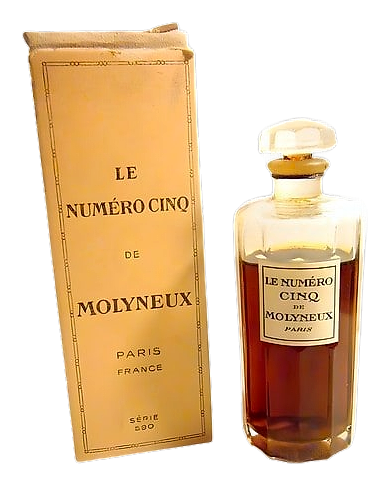
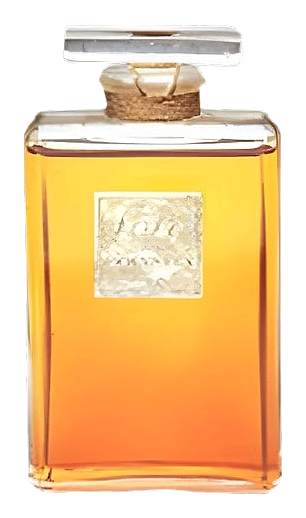
Fête arrived in 1962, a scent that carried the Molyneux sensibility into new territory. Molyneux, the fashion house Edward built in Paris, had spent decades developing a distinct visual language. The brand had a following among those who appreciated a certain quiet confidence. So when Molyneux released a fragrance called Fête, a word that means celebration, occasion, the act of marking something, it wasn't just a perfume. It was a question: what does restraint look like when you actually want to celebrate?
The answer lay in the structure. The fruity notes, plum, peach, give the opening its sweetness, but caraway introduces a sharp, almost medicinal note that keeps things from feeling obvious. The florals that follow, lilac, jasmine, ylang-ylang, are lush and powdery without becoming overwhelming. And then the base: oakmoss, leather, civet. This is where the vintage character lives. The civet gives it animalic warmth. The leather gives it weight. The oakmoss gives it that musty, earthy depth that chypre lovers crave.
The evolution
The opening announces plum and caraway together, a sweet-fruity brightness undercut by something sharper, almost spicy. Brazilian rosewood and bergamot add depth without stealing focus. This phase reads celebratory but controlled, like arriving at a party already knowing everyone. Within the first hour, the florals take over. Lilac and jasmine emerge, softened by orris root's powdery iris quality. The ylang-ylang adds a tropical warmth that prevents the heart from feeling too austere. The transition is smooth, the fruity sweetness doesn't disappear but deepens, becomes part of the florals rather than competing with them. By hour two or three, the drydown arrives. Oakmoss dominates, that characteristic mossy-earthy-chypre signature that defines the vintage category. Leather and civet linger underneath, animalic and warm.
Cultural impact
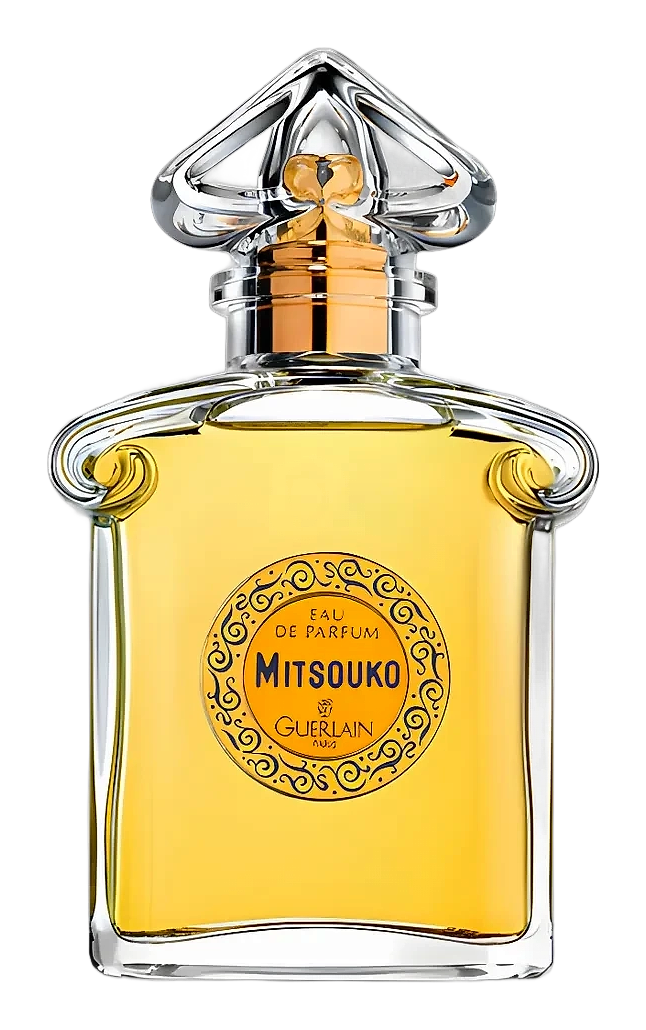
Fête occupies a particular niche in vintage perfumery, a collector's fragrance for those who appreciate the classic French chypre Fruity structure. The comparison to Mitsouko and Femme is well-founded: all three share iris, jasmine, ylang-ylang, and citrus, with oakmoss-driven drydowns. Where Fête differs is in its restraint. The fruit is present but controlled; the florals are powdery without being overwhelming; the animalic notes add depth without dominating. This is a sophisticated composition that rewards attention. The discontinued status has only deepened its appeal among collectors.