The Story
Why it exists.
The beginning
In 1959, Bernard Chant arrived at Grès with a brief that sounds simple: capture the house's couture intelligence in scent. What emerged was Cabochard Parfum, a composition that mirrored Madame Grès's draped silhouettes, structured but fluid, confident without announcement. The name itself carried the attitude: cabochard, French slang for hardheaded, someone who doesn't budge. The fragrance was conceived as olfactory architecture, a structure meant to stand long after the moment passed.
What makes this pyramid unusual is the layering of leather with asafoetida, a resinous gum with a pungent, almost sulfurous character that most perfumers avoid in quantity. Here it threads between the aldehydes and the herbals, adding an animalic depth that gives the opening real grip. Combine that with coconut in the base, which adds a faint sweetness that keeps the leather from becoming harsh, and you have a chypre that balances toughness with unexpected warmth. The orris root in the heart contributes that powdery iris quality that aged beautifully in 1950s perfumery and still reads as sophisticated today.
The evolution
The opening is the statement. Aldehydes and asafoetida arrive together, and for the first twenty minutes Cabochard smells like nothing else in your collection, sharp, almost acrid, with a green-herbal bite from sage and tarragon that cuts clean. Then the florals begin to bloom. Geranium and jasmine emerge gradually, softening the edges without diluting them. The rose arrives quietly, adding a honeyed warmth that bridges the heart to the base. By hour three, the leather has fully announced itself, backed by tobacco and oakmoss. The drydown holds for hours, six to eight on most skin, longer on fabric. What lingers is a mossy-woody residue, vetiver and patchouli settling into something that smells like the memory of a well-worn jacket. The coconut appears only in the deepest drydown, a whisper of sweetness that keeps the finish from becoming austere.
Cultural impact
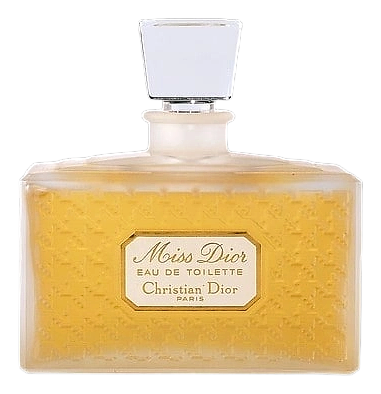
Cabochard remains one of the defining chypres of the 1950s, a period when the genre was being established as a cornerstone of French perfumery. The fragrance has outlasted countless contemporaries because its structure, aldehydes into leather, herbals into moss, doesn't rely on trends. It set one. Wearers who return to it tend to describe it as a reference point, something they measure other fragrances against. The combination of leather and asafoetida in particular gives it a character that reads as unusual even now, when the perfume landscape has expanded dramatically. For collectors of heritage chypres, Cabochard occupies the same rarefied territory as Miss Dior and Femme, fragrances that defined a moment and never needed to apologize for it.