Asafoetida
A pungent oleo-gum-resin with a bold sulfur-garlic aroma that transforms into a deeply animalic, almost vanilla-like richness in dilution. Revered since ancient Egypt, it remains one of perfumery's most distinctive and polarizing ingredients.
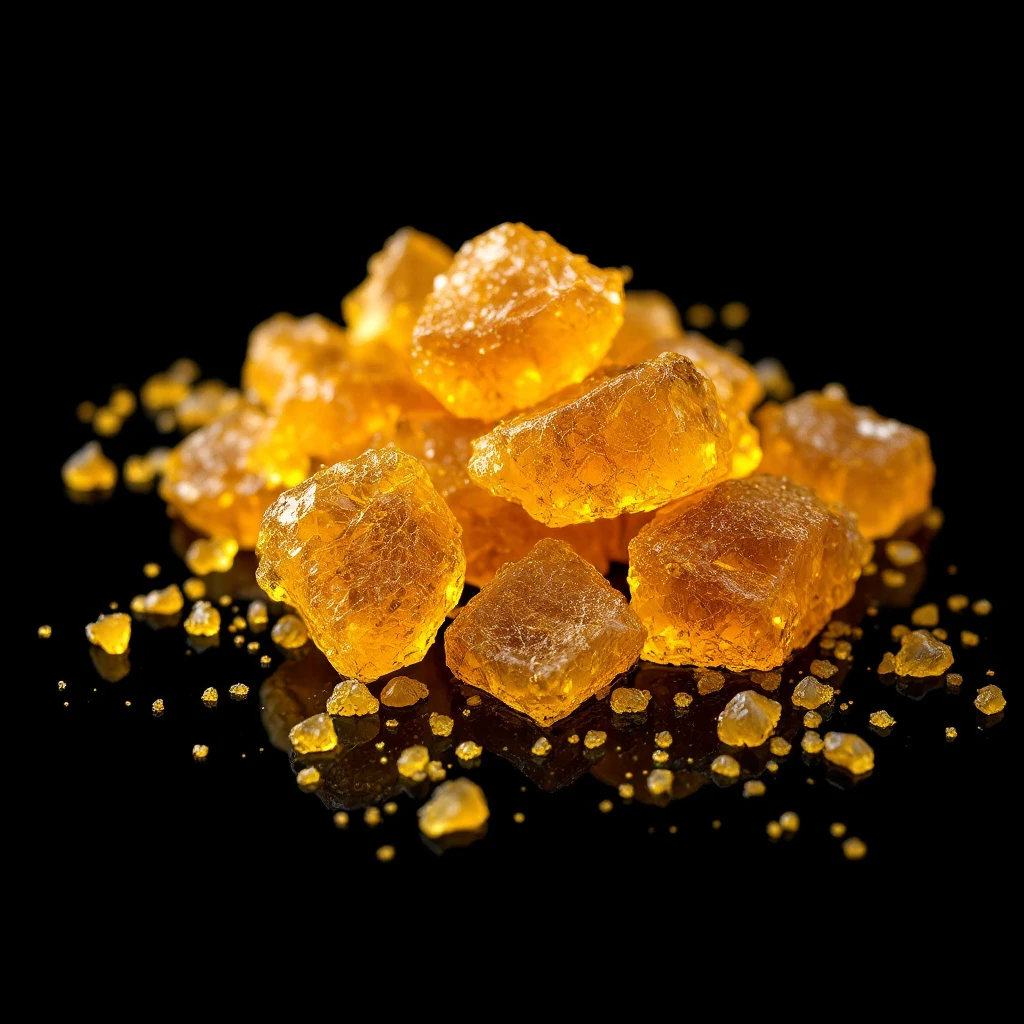
Character
How it smells
Ancient resin, modern intrigue.
Asafoetida rose to prominence as a substitute for silphium, the legendary Roman plant that went extinct and was once more valuable than gold.







Origin
Afghanistan
Asafoetida appears in ancient Egyptian perfumery texts as a sacred aromatic resin, prized alongside frankincense and myrrh. Civilizations across Mesopotamia and the Indus Valley valued it for both ritual and culinary purposes. Ancient Sanskrit texts reference it as a digestive aid and flavor enhancer.
During the height of the Roman Empire, asafoetida gained prominence as a direct substitute for silphium, the legendary herb that became extinct and was once considered more valuable than silver. The Silk Road carried it westward as both a medicine and a luxury perfume ingredient. By the medieval period, European apothecaries stocked it heavily.
Its use in Western perfumery has waxed and waned with fashion, but it has never disappeared entirely. Today, it enjoys a quiet renaissance among niche perfumers drawn to its raw, animalic complexity and its ability to anchor compositions for extraordinary duration.
Wears it best
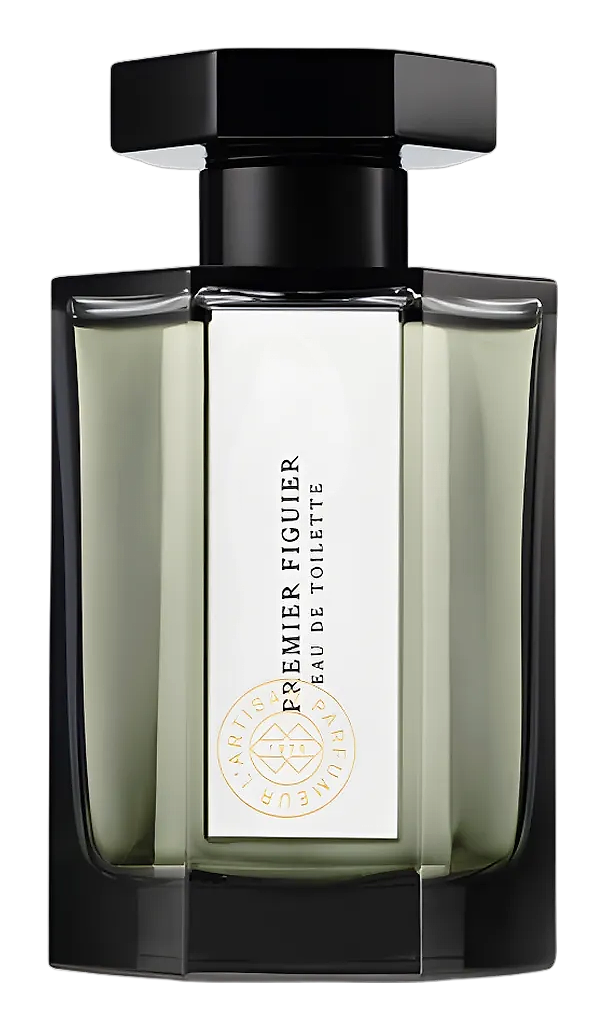
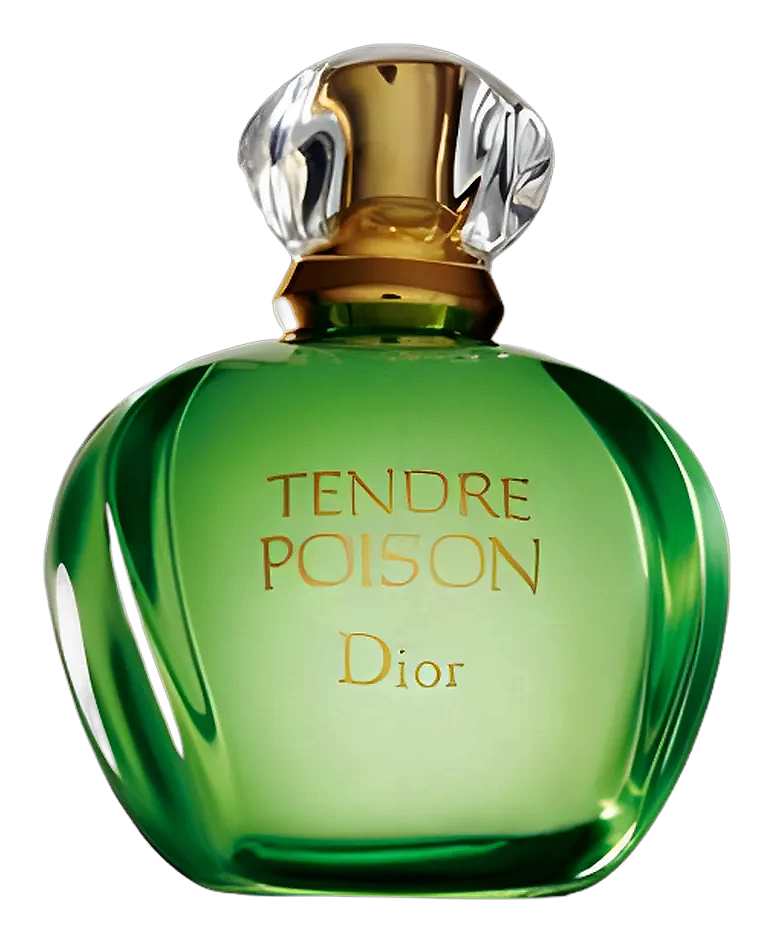
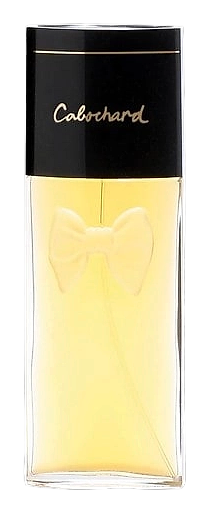
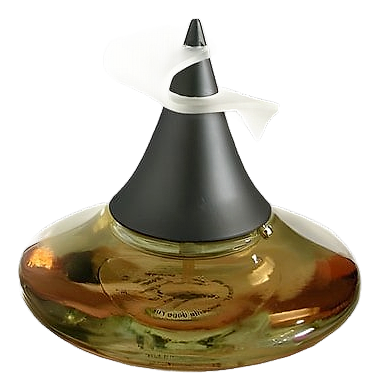
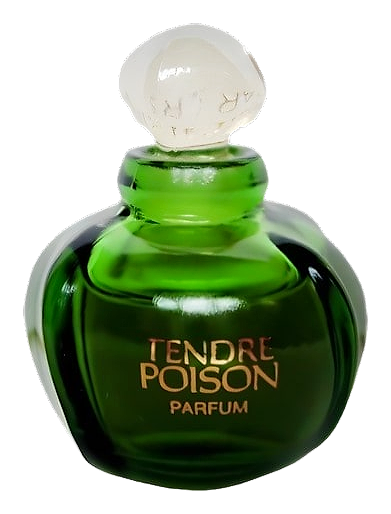
Fragrances featuring Asafoetida

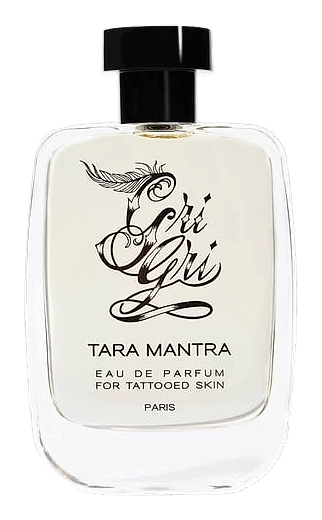
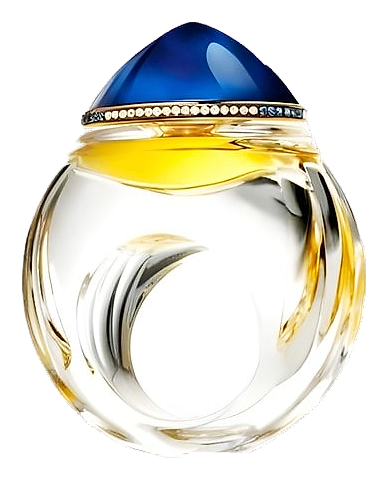
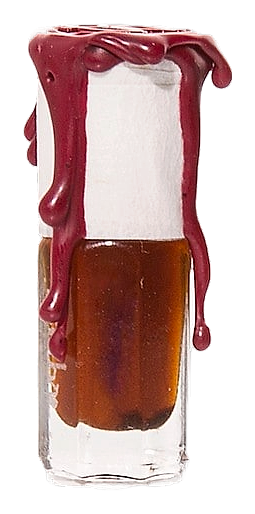
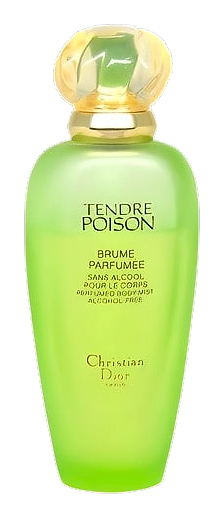
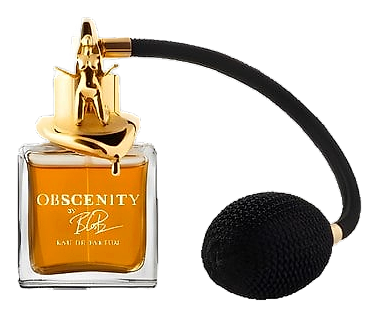
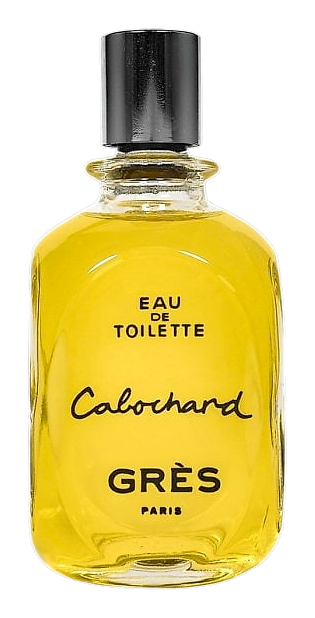
Brands
Brands known for Asafoetida
Good to know
Questions, answered
The essentials on Asafoetida in perfumery: how it smells, where it comes from, and how it behaves on skin.
What does asafoetida smell like?
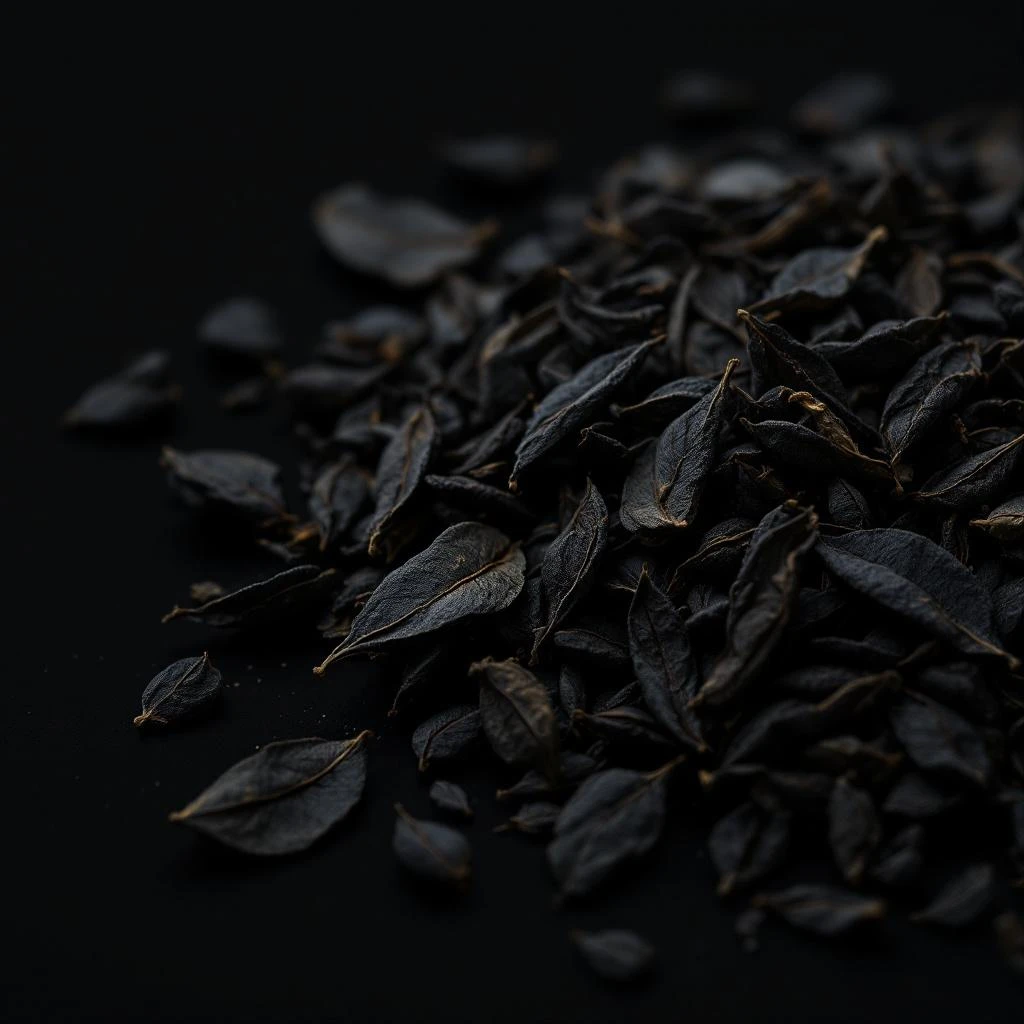
Raw asafoetida carries a strong sulfur-garlic note that can be off-putting. In dilution, it shifts into roasted garlic, earthy umami, and a faint vanilla sweetness. It reads as deeply animalic and savory in perfumery contexts.
Why do perfumers use asafoetida?
Asafoetida acts as a powerful fixative, extending the longevity of a fragrance by hours. It also adds a unique savory quality that bridges the gap between food and floral notes, lending depth that synthetic materials rarely replicate.
Is asafoetida used in modern perfumery?
Yes, though it remains rare and is typically found in niche or artisan fragrances. It appears in compositions that aim for raw, animalic, or oriental character. Finding it in mainstream commercial perfumes is uncommon.
Where does quality asafoetida come from?
Iranian and Afghan varieties are considered superior. Iranian asafoetida tends to have a more complex sulfurous character, while Afghan resin often exhibits stronger earthy and roasted garlic facets. Both outperform mass-market Indian alternatives.
How is asafoetida harvested?
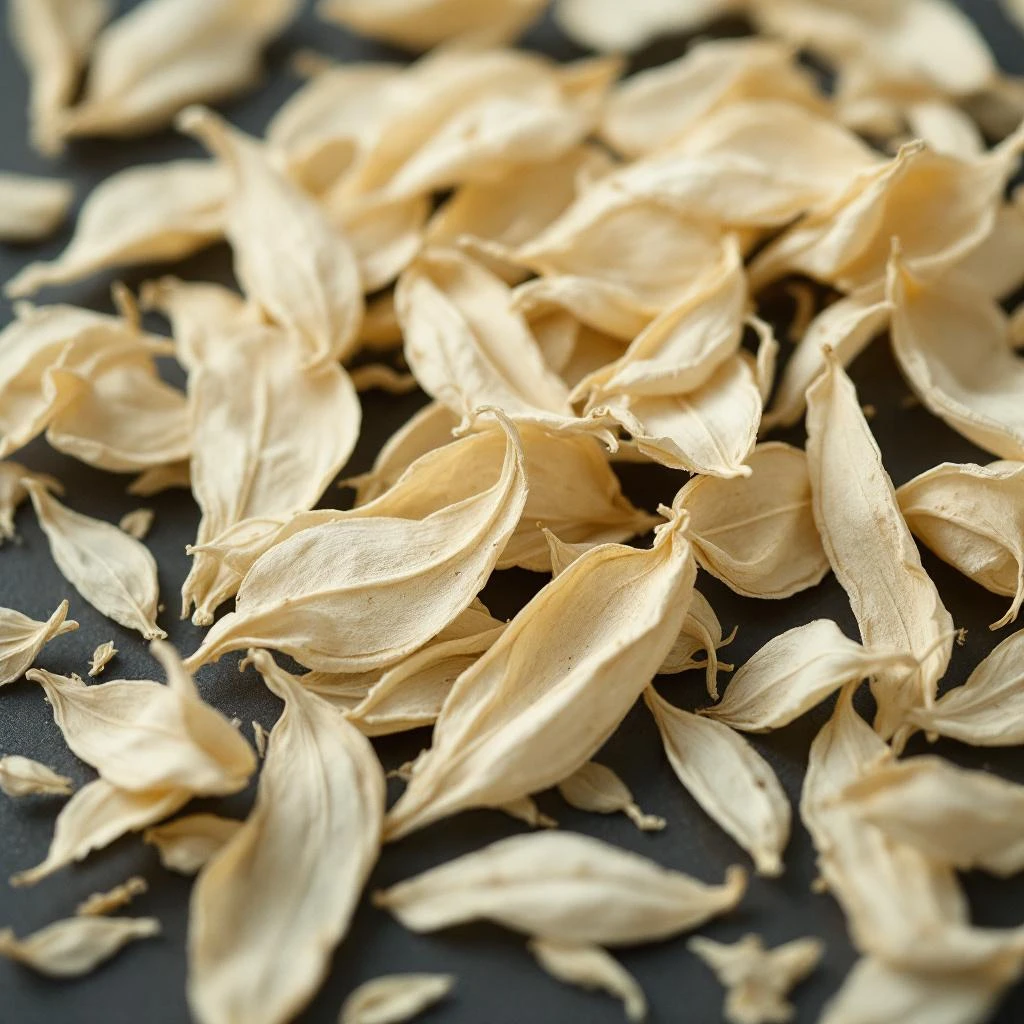
Harvesters slice the taproot of four-to-five-year-old Ferula plants in early spring before flowering. The latex drips for days and hardens in sunlight into resin lumps. Each plant can be harvested only once before it dies, making supply inherently limited.
What is the historical significance of asafoetida?
Ancient Egyptians used it in perfumery and religious rites. It later filled the void left by silphium, the extinct Roman luxury ingredient. The Silk Road spread it across Eurasia as both medicine and aromatic commodity.
Can asafoetida be used safely in fragrances?
When steam-distilled and used at typical perfumery concentrations, asafoetida oil is considered safe for cosmetic use. Always patch-test finished products, as individual sensitivities vary.
What fragrances feature asafoetida?
Asafoetida appears most often in oriental and animalic niche fragrances. It pairs well with oud, leather, amber, and dark florals. Seek out artisan or niche brands that list it among top notes for a detectable presence.