The Story
Why it exists.
The beginning
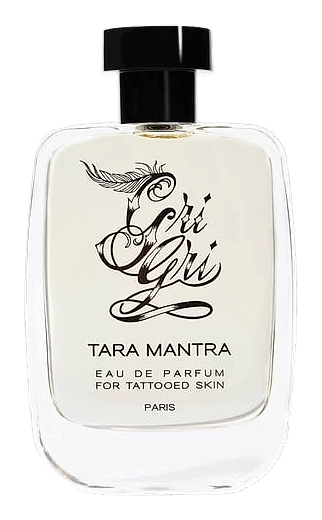
Tara Mantra draws from two spiritual traditions, Tara, the Buddhist divine feminine, and Mantra, sacred sound used in meditation and ritual. For Gri Gri Parfums, where each fragrance originates from a tattoo tradition as autobiography, Anaïs Biguine found herself thinking about what people mark onto themselves not in ink, but in intention. The 2016 release captures that, the idea of writing your belonging on skin, but doing it through sound, repetition, and devotion. The name suggests something spoken into permanence. The fragrance delivers that same quality: an opening that announces itself, a heart that doesn't retreat, and a drydown that stays close for hours after you thought it had left. Biguine built Tara Mantra as an Eau de Cologne that doesn't behave like one.
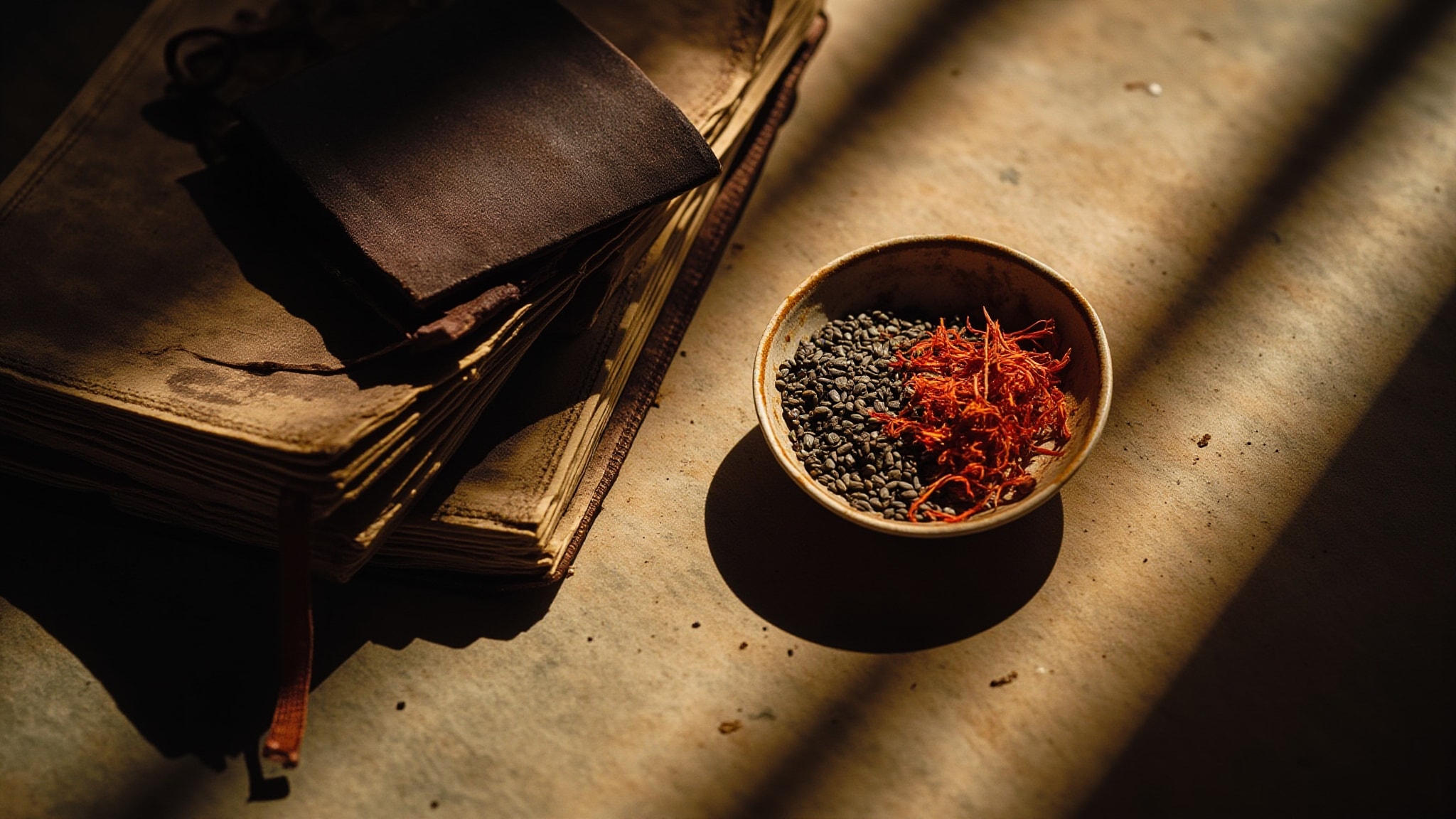
What makes Tara Mantra unusual is the decision to build an oud-forward fragrance in a cologne concentration. The asafoetida, a fermented allium resin with a pungent, almost unsettling smell, provides the strangeness at the opening. It arrives like a challenge. Combined with saffron's dry, almost metallic quality and cardamom's green spice, the top creates something that doesn't immediately welcome you. That's the point. Biguine isn't interested in making something safe. She's interested in making something that stays with you.
The evolution
The opening announces itself without apology. Saffron's dry medicinal quality, cardamom's green spice, and the asafoetida's distinctive allium funk create something that demands attention in the first minutes. This is not a subtle beginning, it's the moment the fragrance decides whether you're staying. Within an hour, the patchouli softens and extends the composition. The caraway seeds its way through the heart, a slow warmth that builds rather than arrives. The transition isn't dramatic, it's a gradual settling, the spice and earth settling into something more cohesive. The drydown is where the reward lives. Lotus and jasmine bring an unexpected softness, floral without delicacy, while the oud holds underneath, grounding everything in something warm and dark. The jasmine doesn't overpower. It shares space. Four to six hours later, this is what remains: a quiet warmth close to the skin, the kind that reveals itself slowly rather than announcing itself.
Cultural impact
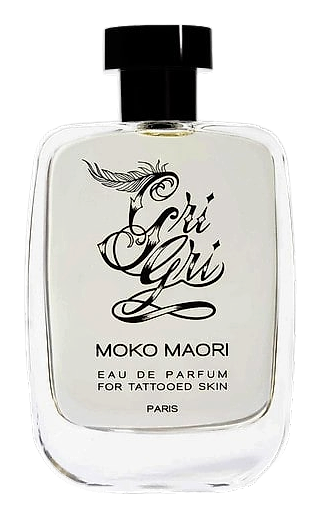
The 2016 launch of Gri Gri Parfums marked a moment when niche perfumery began treating cultural identity as material rather than backdrop. Rather than generic 'exotic' references, Gri Gri chose specificity, Japanese woodblock art, Polynesian sacred markings, circus sideshow memorabilita. Tara Mantra, with its Sanskrit-derived name and unusual asafoetida note, occupies the more contemplative end of the collection: the fragrance for those who mark their belonging through intention, not just ink.