
The Story
Why it exists.
The beginning
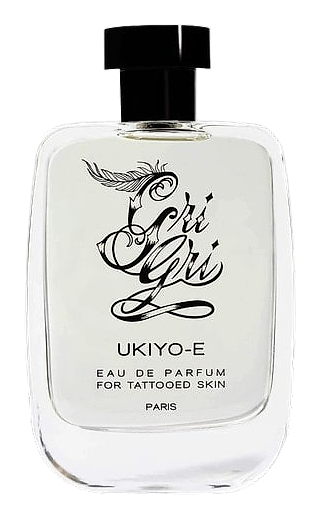
Ukiyo-E takes its name from the Japanese woodblock printing tradition that flourished in Edo-era Japan, images of the floating, fleeting world. The art form captured moments that were already passing: a wave about to crest, a figure in motion, a festival already ending. The fragrance opens with a crisp, bright citrus burst that feels like morning light on skin. As it settles, warm toasted notes emerge, grounding the composition with a subtle, smoky depth that recalls roasted rice and gentle embers. Green, slightly bitter facets weave through the heart, bringing a vegetal coolness that feels fresh without being sharp. The dry-down is soft and powdery, lingering close to the skin like a whisper.
The composition centers on green tea in two forms, genmaicha and a fresher green tea note, which creates a duality rare in perfumery. Genmaicha, the Japanese tea with toasted rice grains, adds a smoky warmth that doesn't read as campfire or barbecue but as something almost savory and meditative. Yuzu, the Japanese citrus, cuts through at the opening with a brightness that feels like cold ceramic. Daphne and Japanese cherry blossom then soften the structure into something quiet and floral without becoming sweet. The result is a fragrance that feels considered rather than constructed, a series of choices that resist convention.
The evolution
Yuzu hits first. Bright, clean, a little tart, like peeling a cold citrus fruit in a quiet room. The genmaicha arrives within minutes, shifting the register from sharp to toasted, that whisper of smoke from the roasted rice settling underneath. The green tea note weaves through the heart, its slightly bitter, vegetal character keeping the composition grounded. Around the same time, a green-floral facet emerges, more stem than petal, clean and quietly aromatic. As the hours pass, the fragrance softens into a powdery, close-to-skin finish, blossom and floral notes lending a gentle roundness without sweetness. Not loud at any point. The kind of fragrance that someone notices when you're already gone.
Cultural impact
Ukiyo-E occupies an interesting space among green-floral fragrances. Wearers who describe it most vividly tend to reach for the same reference points: Japanese aesthetics, the smell of a tea ceremony, the feeling of calm focus. The fragrance has found an audience among people who want something distinctive without shouting about it. It becomes a signature for the person who wears it, not a statement to the room. Those drawn to it appreciate its quiet complexity, the way it shifts from bright citrus to warm, toasted depth before settling into a soft, powdery close. The fragrance invites attention without demanding it.
The House
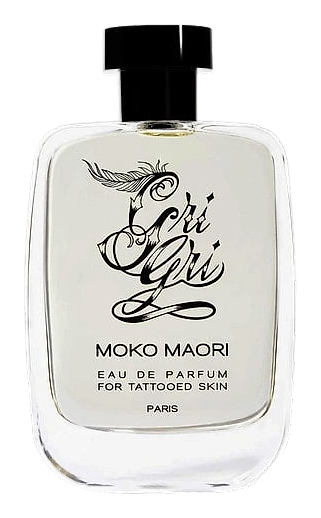
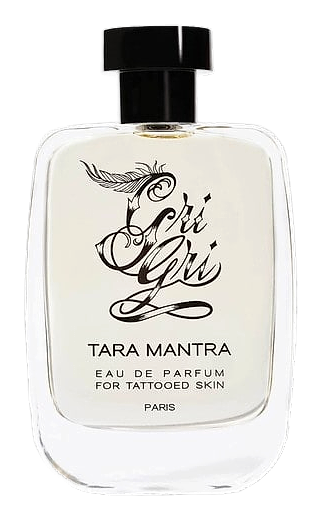
Gri Gri ParfumsGri Gri Parfums is a French niche fragrance house founded in 2016 by perfumer Anaïs Biguine. Operating under the Paris-based Jardins d'Écrivains atelier, the brand occupies a distinctive position in contemporary perfumery by drawing its creative vocabulary from the history and culture of tattoos. Each of the four founding fragrances references a different tattoo tradition, from Japanese woodblock art to Polynesian sacred markings. Biguine designed Gri Gri as a fragrance collection for what she calls messenger skin, creating unisex scents that treat the body as a living canvas. The brand's name nods to the small bells worn by dancers in southern France, evoking movement, ritual, and the decoration of the body. Gri Gri fragrances arrived at Esxence 2016, a notable trade fair for niche fragrance, where the collection garnered attention for its unconventional thematic approach.
The Creator
Anaïs BiguineIn the studio Biguine favors natural extracts that carry a strong sense of place—aged woods, dried herbs, vintage paper accords, and subtle animalic notes that suggest a writer’s lingering presence. She layers a base of amber or musk with a heart of literary‑inspired florals s…