The Story
Why it exists.
The beginning
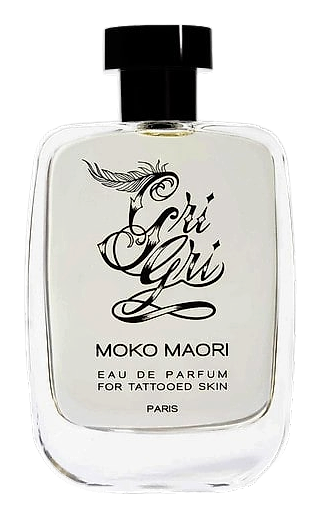
Moko Maori takes its name from the moko, the traditional tattoo of the Māori people of New Zealand. More than decoration, the moko is a form of autobiography written on skin. Each mark carries genealogical information, tribal history, a person's place within their culture. The patterns are not universal. They belong to the individual. They tell a specific story. When Anaïs Biguine began researching tattoo traditions for the Gri Gri collection, the moko presented a particular challenge. Unlike Japanese irezumi or circus memorabilita, the moko is inseparable from its land. It comes from New Zealand. It comes from the plants that grow there, the stones, the coastline, the particular quality of light. Biguine did not want to recreate the look of moko marks. She wanted to translate what the practice smelled like.
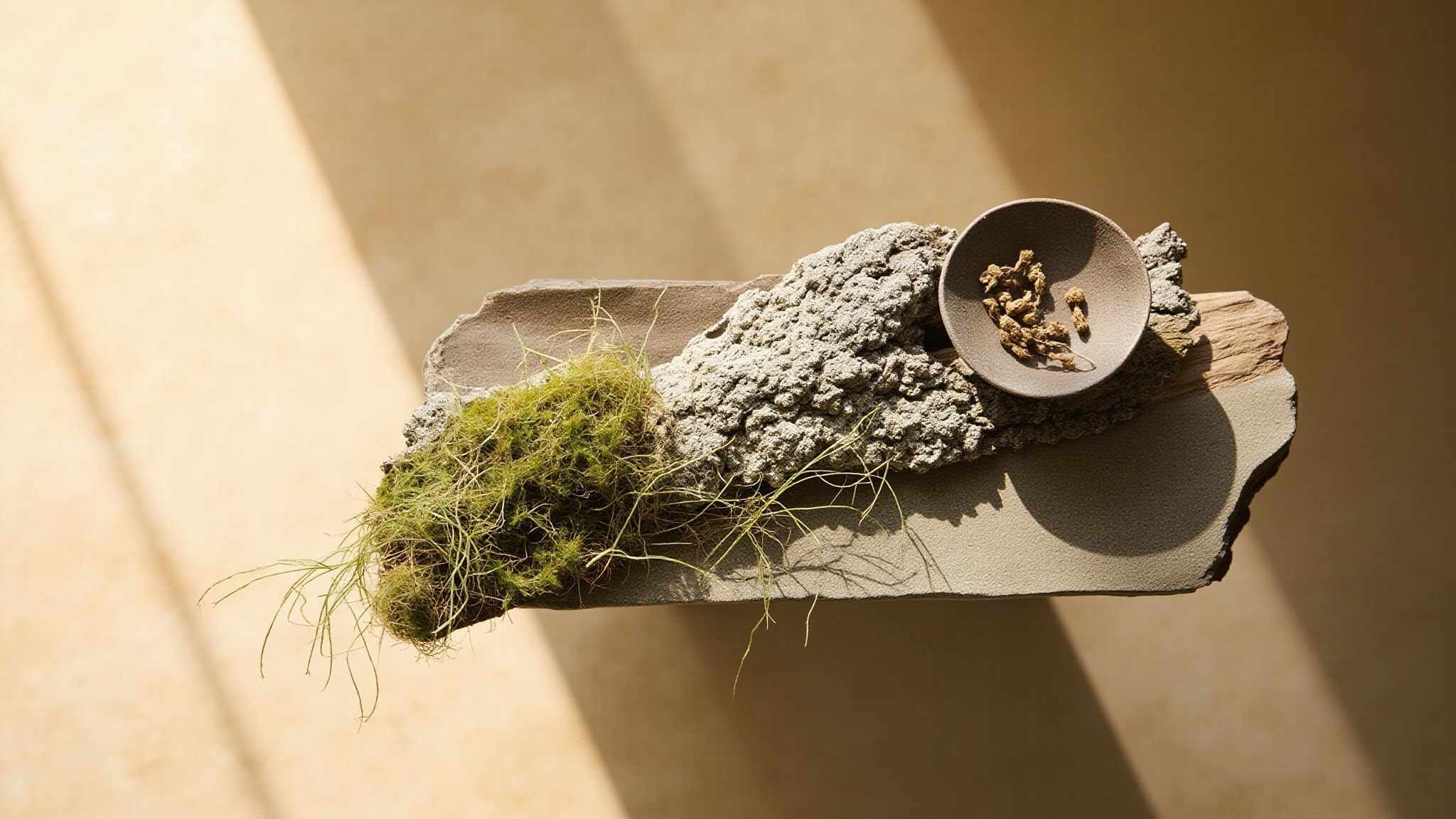
Biguine built the scent around native New Zealand plants. Flax and grass open the composition, the green that covers every hillside, the sharp herbal note of the land before rain. Manuka brings a honeyed floralcy, medicinal and sweet. Kowhai adds golden blossoms with a warm, almost powdery sweetness. Fougère notes, fern, moss, aromatic green, deepen the heart into something complex and rooted. The base is kanuka and lichen. Kanuka bark echoes the woody warmth of the New Zealand bush. Lichen is the oldest living thing on these islands, a slow-growing organism that clings to stone and bark, carrying the mineral scent of ancient landscapes. Together, they ground the fragrance in something permanent.
The evolution
The opening arrives immediately. Flax and grass, crisp, herbal, distinctly green. It reads like the first hour after dawn on an open field. This brightness does not linger. Within the first hour, the manuka enters with its honeyed, slightly medicinal sweetness. The green softens. The floralcy reads warmer. The heart develops over the next two to three hours. Kowhai brings a golden, almost powdery sweetness alongside the manuka. Fougère notes introduce an aromatic complexity, green but also slightly medicinal, the smell of ferns unfurling in damp shade. The combination of floral and fern creates a fragrance that feels both delicate and grounded. The drydown is where Moko Maori earns its name. Lichen and kanuka arrive slowly, replacing the floralcy with something mossy, mineral, and ancient. The lichen reads as mineral, not animalic, not dirty, but old. The kanuka bark adds a woody warmth that lingers. This base holds for hours.
Cultural impact
Moko Maori occupies a specific space in niche perfumery, a green, earthy fragrance built around native New Zealand botanicals. The combination of flax, grass, manuka, and lichen creates something that reads as genuinely botanical rather than constructed. For wearers who appreciate unusual green fragrances with a sense of place, it offers something the broader market rarely delivers.