Flax
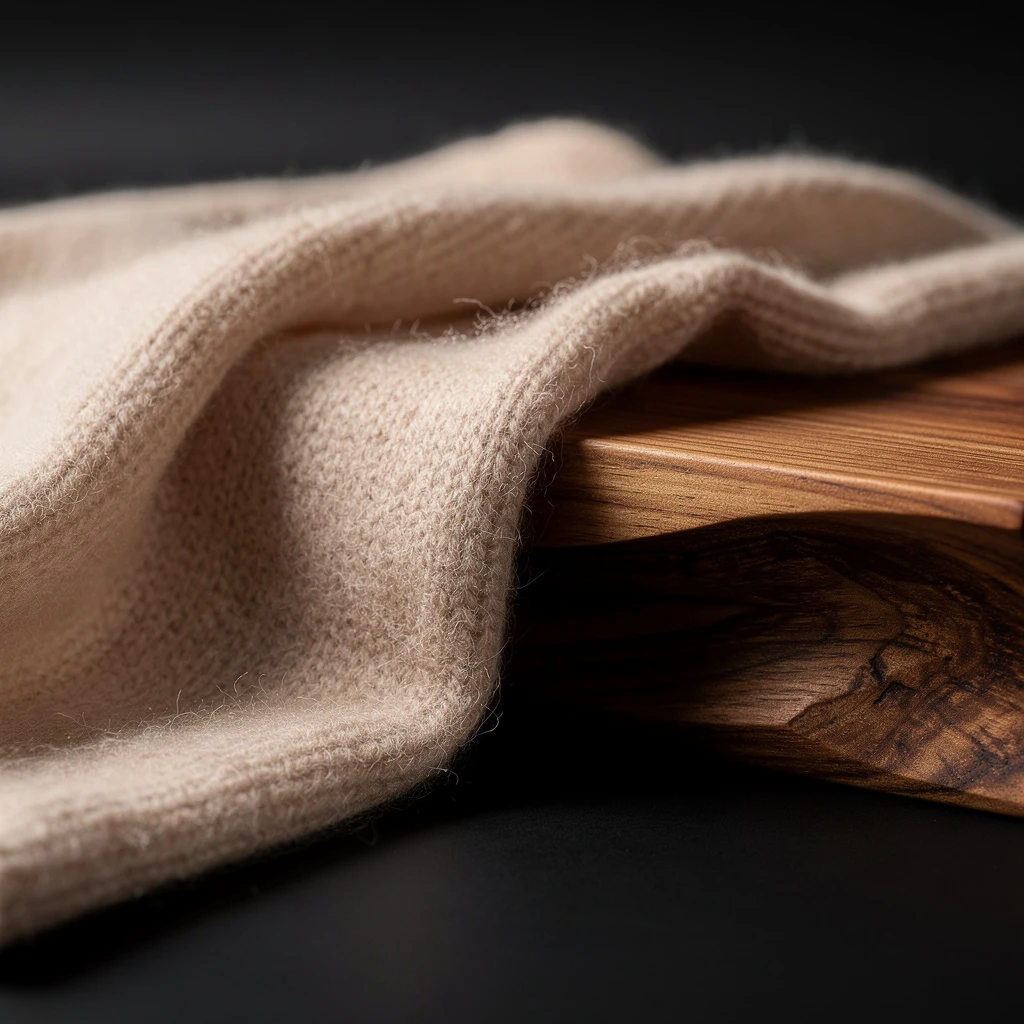
Flax has perfumed bottles since ancient Egypt. This humble agricultural crop delivers a quietly distinctive base note with a mildly nutty warmth that grounds compositions without announcing itself.
Character
How it smells
An ancient base note with quiet warmth
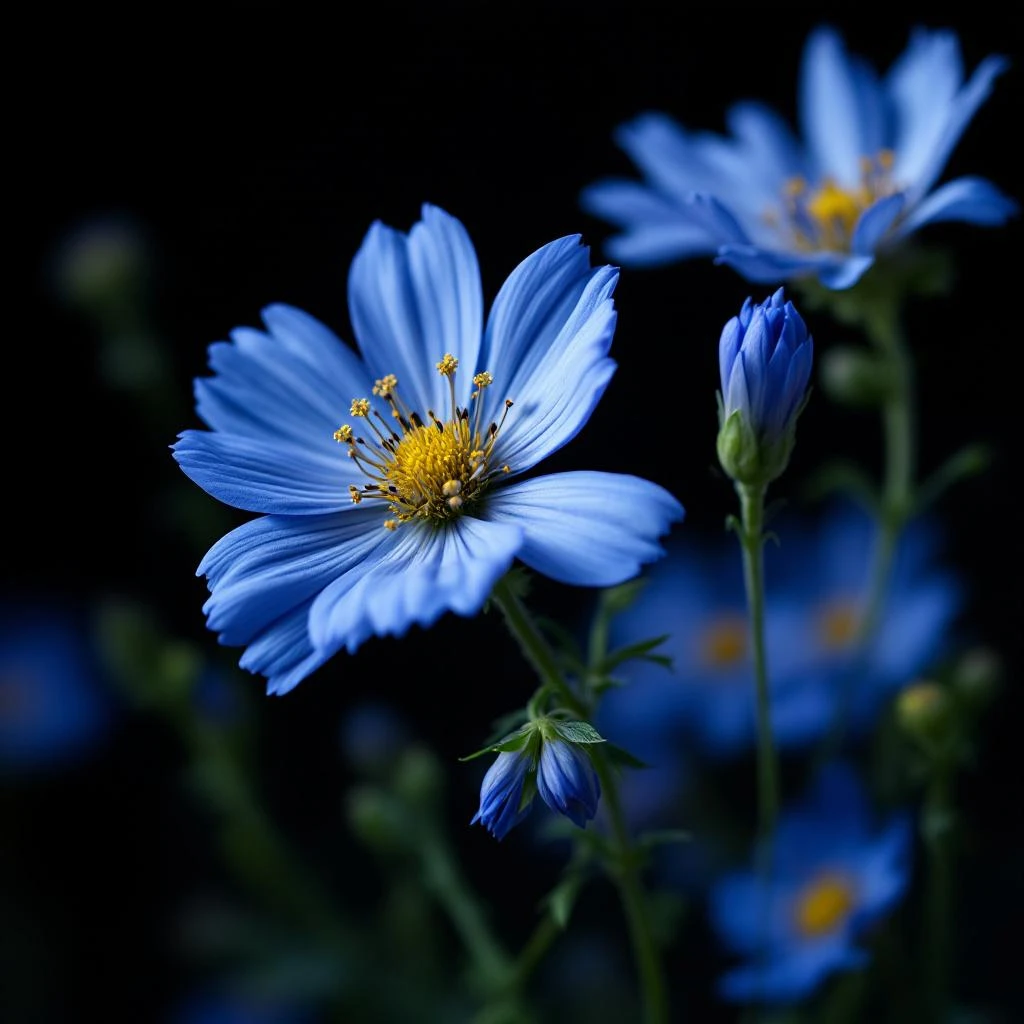
Flax fields produce striking pale blue flowers, yet perfumery values what lies beneath: seeds yielding an aromatic base note used since pharaonic Egypt.





Origin
India
Flax ranks among humanity's oldest cultivated companions. Linum usitatissimum originated in India and underwent early domestication in the Fertile Crescent region, spreading outward to become central to textile production across Europe and beyond. Ancient Egyptian perfumers recognized its potential, incorporating flax-derived materials as a base note in their formulations.
North American colonists brought flax with them, establishing it primarily as a seed crop for linseed oil production. Its dual legacy persists: the fine linen draped across beds and the quiet, nutty base note anchoring fragrances across millennia.
Wears it best
Fragrances featuring Flax


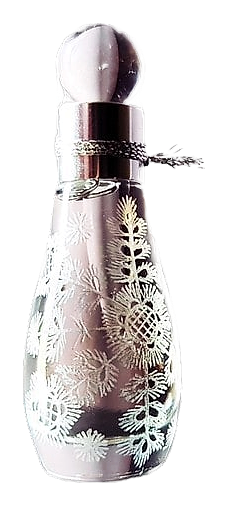
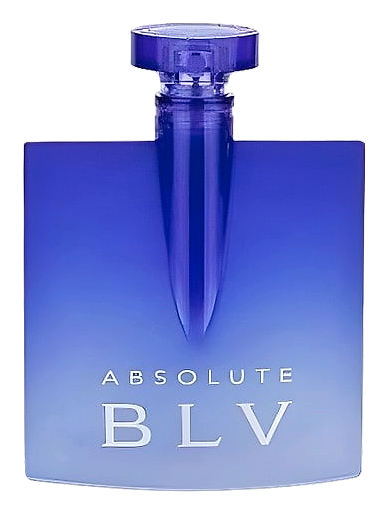
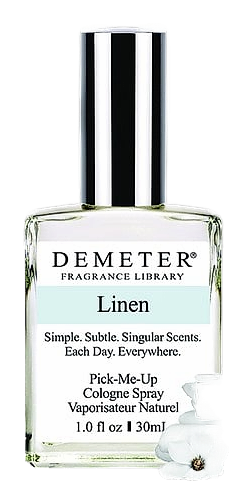
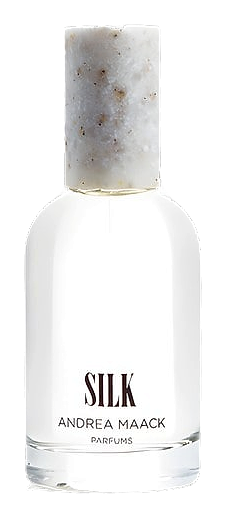
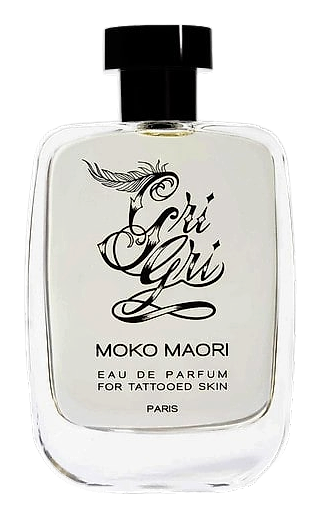
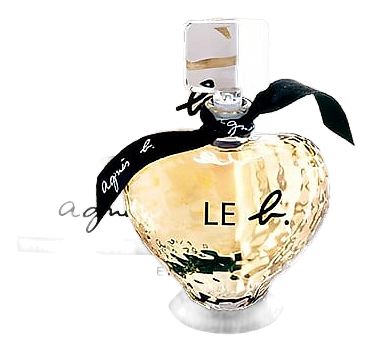
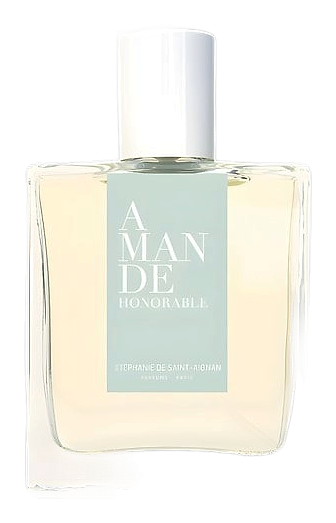
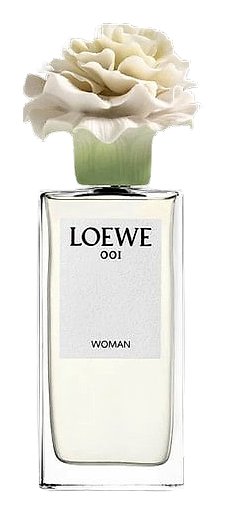
Brands
Brands known for Flax
Good to know
Questions, answered
The essentials on Flax in perfumery: how it smells, where it comes from, and how it behaves on skin.
What does flax smell like in perfume?
Flax functions as a base note with a mildly nutty, slightly waxy character. It lends quiet warmth to compositions without dominating the fragrance. Rather than announcing itself, it anchors and stabilizes brighter top notes.
How long has flax been used in perfumery?
Flax has perfumed formulations since at least Egyptian times, making it one of the oldest botanical materials in the perfumer's toolkit. Its history spans thousands of years across multiple civilizations.
What part of the flax plant is used in fragrance?
Perfumers extract aromatic material from flax seeds, specifically Linum usitatissimum. The seed yields oil containing the characteristic nutty compounds that serve as a base note in fragrance compositions.
Is flax a natural or synthetic ingredient?
Flax provides natural aromatic material derived from the seeds through extraction methods like cold pressing or solvent extraction. The living plant's character influences the final material's scent profile.
What is the botanical classification of flax?
Flax belongs to the Linaceae family, classified as Linum usitatissimum, which translates from Latin as 'most useful.' The name reflects the plant's remarkable range of applications beyond perfumery.
Where does commercial flax for perfumery originate?
India and the broader Fertile Crescent region represent flax's historical origins. Today, major production includes North American cultivation, where flax is grown primarily for seed and oil rather than fiber.
Does flax appear in natural or sustainable fragrances?
Flaxseed oil extraction supports sustainable sourcing when cultivated responsibly. The plant requires modest agricultural inputs, making it an accessible natural material for eco-conscious fragrance production.
What fragrances traditionally use flax as a base note?
Flax appears as a supporting base note in numerous formulations rather than serving as a focal ingredient. Its role involves providing warmth and stability to the fragrance structure over several hours of wear.